Jews in the U.S. Report Rising Insecurity After October 7
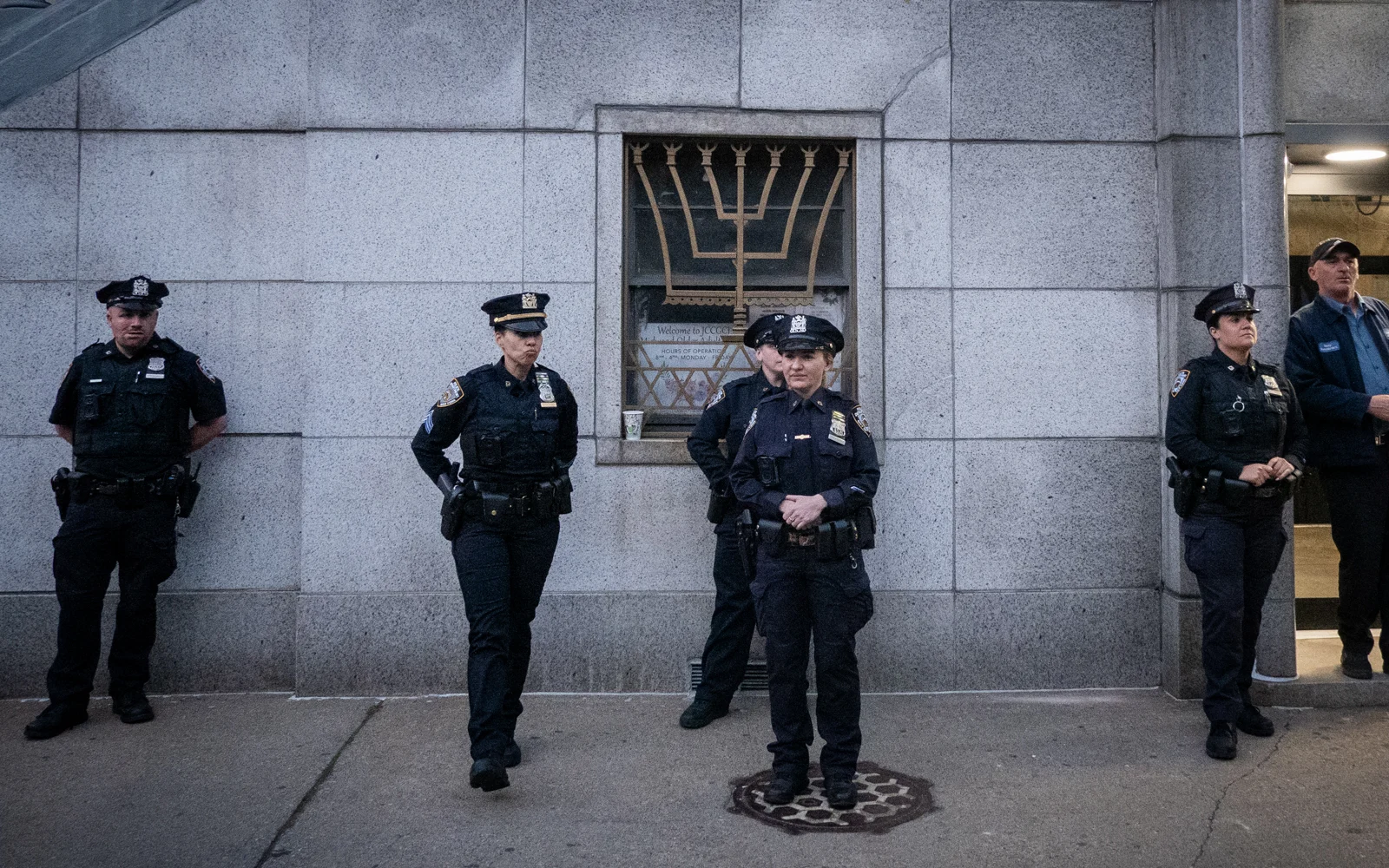
A survey conducted by the Associated Press-NORC Center for Public Affairs Research and published by the Times of Israel shows that six in ten American Jews say they feel less safe since the Hamas attacks against Israel on October 7, 2023. The study highlights how perceptions of personal security shifted in a short period, amid rising antisemitism and growing criticism of the U.S.–Israel alliance.
The war in Gaza has triggered protests across the United States against Israel’s military actions, alongside demonstrations calling for the destruction of the Jewish state. This climate coincided with an increase in violent attacks against Jewish communities in the country, intensifying feelings of vulnerability.
Growing Sense of Insecurity
According to the survey, about 60% of Jews in the U.S. report that their sense of safety has declined since the attacks. Thirty percent say they have personally experienced—or have relatives who experienced—physical assault, insults, online harassment, or vandalism of property because they are Jewish.
Widespread Concern
Six in ten Jewish adults consider antisemitism an “extremely serious” or “very serious” problem in the U.S. today. This concern is especially strong among those with a deep emotional connection to Israel. Many respondents also say they are less likely to wear religious or cultural symbols in public, fearing hostility.
Divisions Over Anti-Israel Protests
The study reveals sharp divisions within the American Jewish community:
- Half of respondents believe protests against Israel are not antisemitic.
- Four in ten disagree.
- Two-thirds say criticism of Israel’s military actions is not antisemitism, though Jews with stronger emotional ties to Israel are more likely to view such criticism as prejudice.
This divide underscores how sensitive the issue has become, especially as protests in the U.S. against Israel’s actions in Gaza have sometimes included calls for the destruction of the Jewish state.
Reported Attacks
Among the most common incidents:
- Physical assaults (10%)
- Vandalism targeting Jewish property
- Insults and online harassment (20%)
- More frequent attacks against Jews who regularly attend synagogues
Consensus on Antisemitism
Despite differences, there is broad agreement on what constitutes antisemitism. Most American Jews consider it antisemitic to:
- Vandalize synagogues or Jewish businesses
- Deny the Holocaust
- Blame Jews in the U.S. for Israel’s actions
- Claim Israel should not exist as a Jewish state
- Suggest American Jews are more loyal to Israel than to the U.S.
Military Context
According to the Israel Defense Forces (IDF), more than 23,000 combatants have been killed in Gaza since the war began, along with 1,600 militants inside Israel during the October 7 attack.