Teacher and activist in Jerusalem
Keep Talking; We Have So Much to Learn
Humility is one of the most admired human qualities in the Torah. We are told that Moses was the most humble of all people – the greatest praise heaped on him.
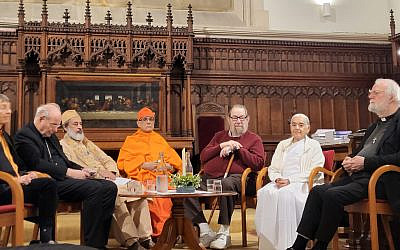
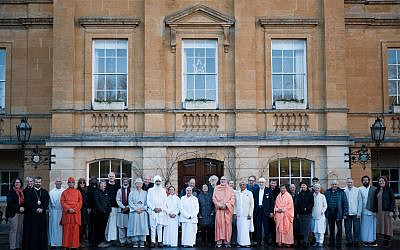
Among the world’s religious leaders, many exemplify humility, including His Eminence Cardinal Christoph Schönborn, of Austria, who participated in the recent meeting of the Elijah Board of World Religious Leaders. At the conclusion of the meeting, the Cardinal reflected on the four days of deliberations and said that the experience had taught him that he still has so much to learn.
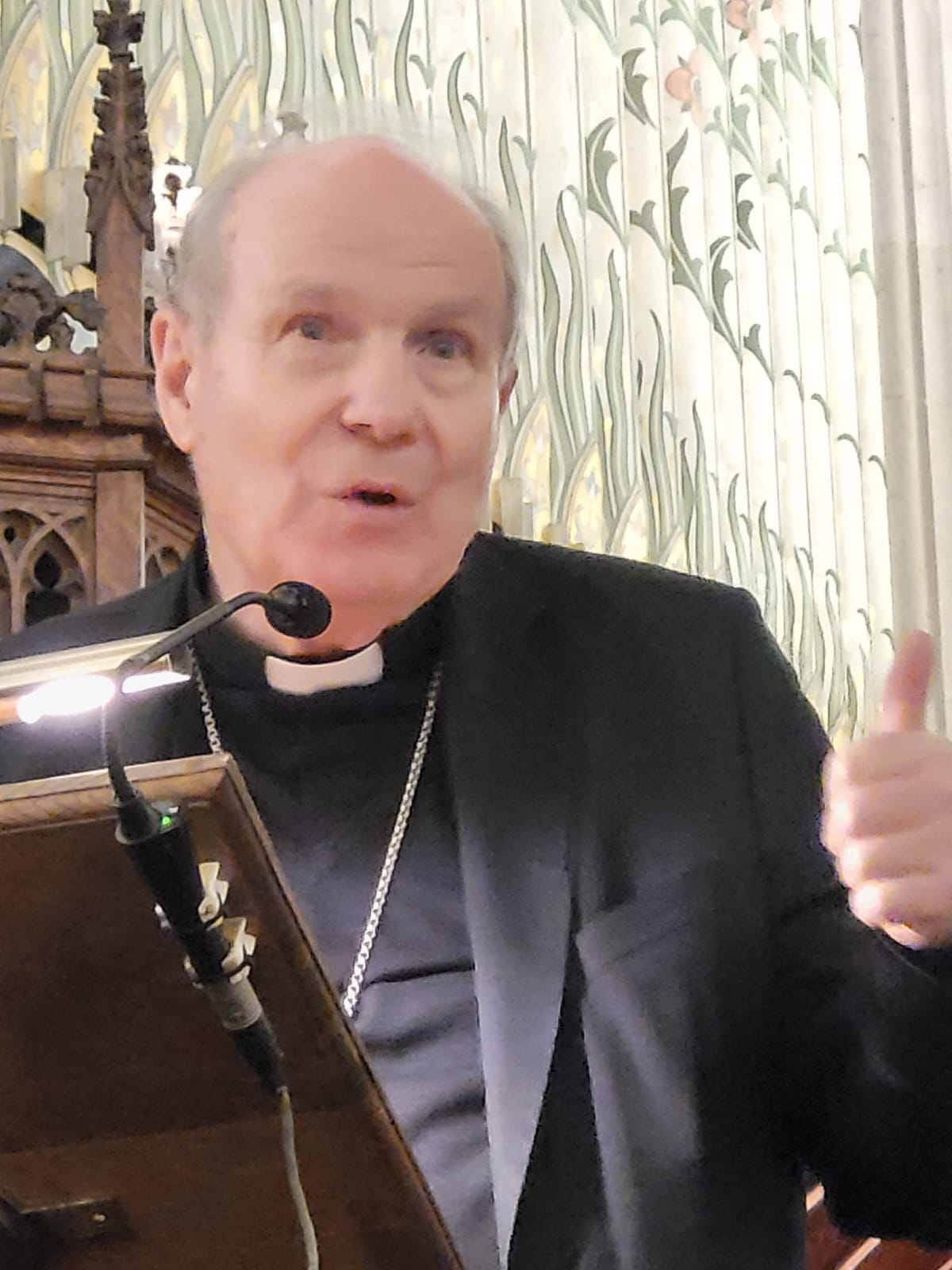
The theme of the meeting was “The Human Person: Religious Ideals and Contemporary Challenges.” There were no speeches or papers. Leaders from six different religious traditions met in small groups to examine theological and sociological issues as they related to the individual person, the person in community and the human race as a whole. Their dialogue was always respectful and always deep and honest.
Participants came to Oxford from across the UK, Europe, North America, Africa, India, Pakistan and Israel. There were Rabbis and Rebbetzins, Archbishops, Fathers, Brothers and Reverends, Qadis and Muftis, Sisters, Swamis and Venerables.
Many of the leaders come from conflict zones and sometimes serve communities on opposite sides of the conflict. Despite this, they can talk.
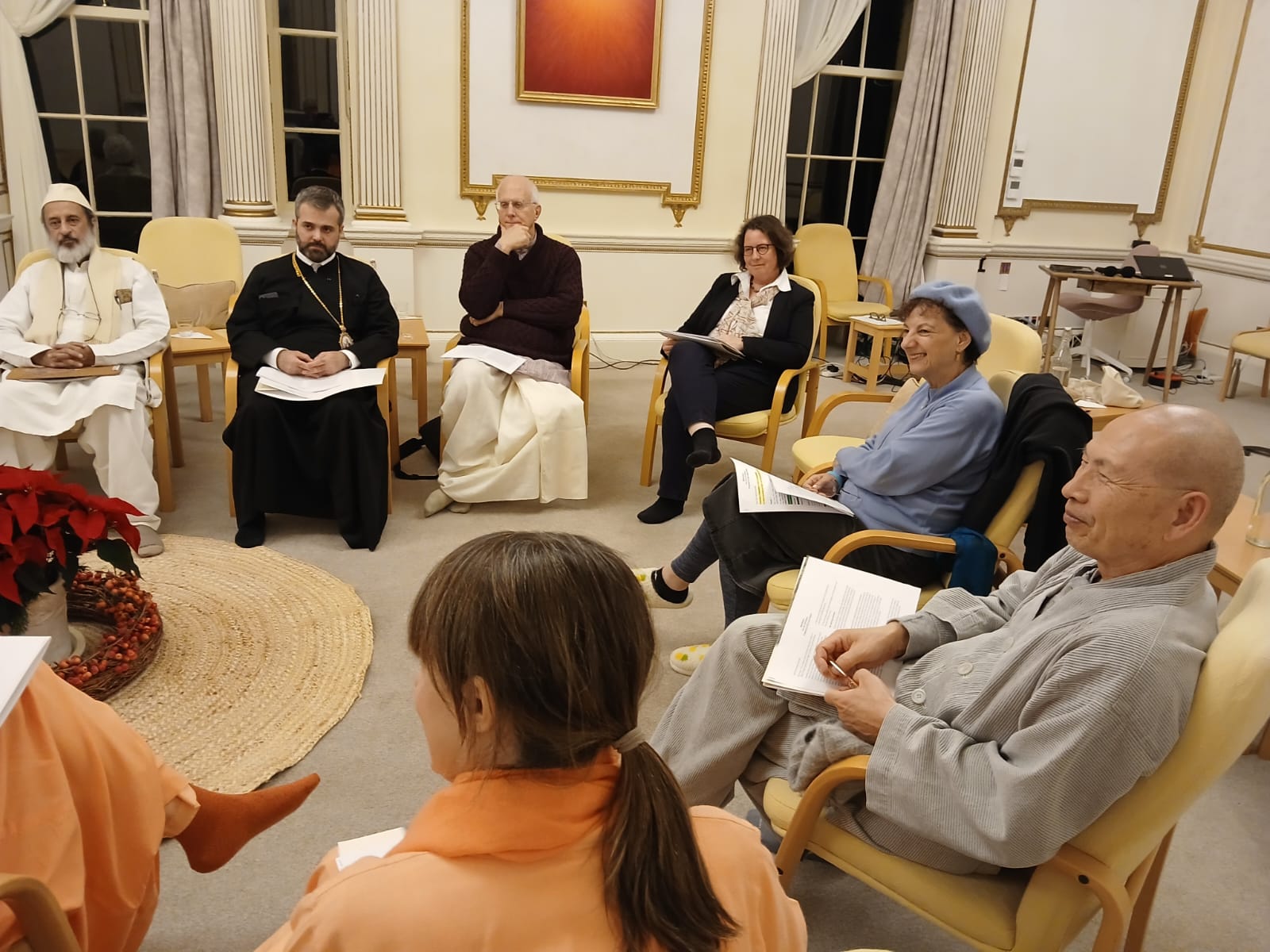
Each leader took back to their community a renewed commitment to dialogue as the way to provide new insights on common problems and to solve global problems. Leaders also saw how dialogue can offer solutions to problems that seem distinct or unique. The experiences and the wisdom of another, their different perspectives, encourage one to think more broadly. From the combined wisdom of different faiths come new ideas. The very act of being in dialogue provides hope that solutions can be found, even to challenges such as global warming, AI and new forms of media, individualism that undermines community and the erosion of faith.
Having the privilege of moderating some of these discussions and observing the process that these inspiring women and men went through confirmed my faith in dialogue. Dialogue is not just the way forward in the religious world; it is the only way to uphold difference while working in harmony. It is the only way to turn the cry of “together we will triumph” from a disingenuous call for opposition to be silenced into a genuine will to find a way forward and embrace diverse opinions.
This week’s Torah reading includes Jacob’s blessings to each of his sons. A great deal has been written about the opening of the blessing, where Jacob calls on his sons to both gather and assemble, and twice tells them to listen. The words might seem redundant but we can understand them to have great significance.
Jacob tells his sons that they should come together to hear each other’s blessings, not just their own. Their destinies are different but intertwined. The sons need to listen with empathy to what their father tells each of them so that they can support each other, through difficulties and on their achievements. They not only need to gather to hear; they need to stay connected to each other, even when learning of the divides between them. And they need to listen (lishmoa/ shema) twice: they need to hear the words of their father and then to contemplate the meaning of what they hear. They need to truly listen.
In order to truly listen to the other, ego needs to be subdued. It is in humility that we can hear the wisdom of the other, especially of one with whom we disagree or who seems quite different from us. I observed that with the Board of World Religious Leaders.
Great leaders have the ability to listen. They know that they still have so much to learn. Rather than silence the opposition, they encourage those with different beliefs to speak up so that they can glean their wisdom.
How painful it is for me to see what is happening in Israeli politics, where humility is a foreign concept and dialogue is unknown, replaced by an ugly discourse that cannot even be called “debate.”
How sad it is that so many in the Israeli public only want to talk to those who think like them and have no experience of genuine, respectful dialogue. They can’t imagine what can be achieved through listening intensely to the other and from having them hear you.
When peace-activists call for dialogue, there are those who say that there are no partners. What they often mean is that they only want to talk to those who agree with their position or see the world through their eyes. They cannot imagine what they could learn from the other and how listening could open up new avenues of thought and action.
When the late Chief Rabbi, Jonathan Sacks, himself a member of the Board of World Religious Leaders, said that the greatest mitzvah of all was to turn an enemy into a friend, he was not suggesting that it was a simple matter. He exemplified in his own life a person devoted to dialogue, opening up the avenues for jointly solving problems and even eventually bringing peace between those who have heard and been heard.
Let us find ways to enter into dialogue with those who think differently from us. Not only might we learn something from them and they from us, but we might, combining our wisdom, discover ways that we could not have imagined to live with one another in peace.
Related Topics
Related Posts