Keeping women out of the picture
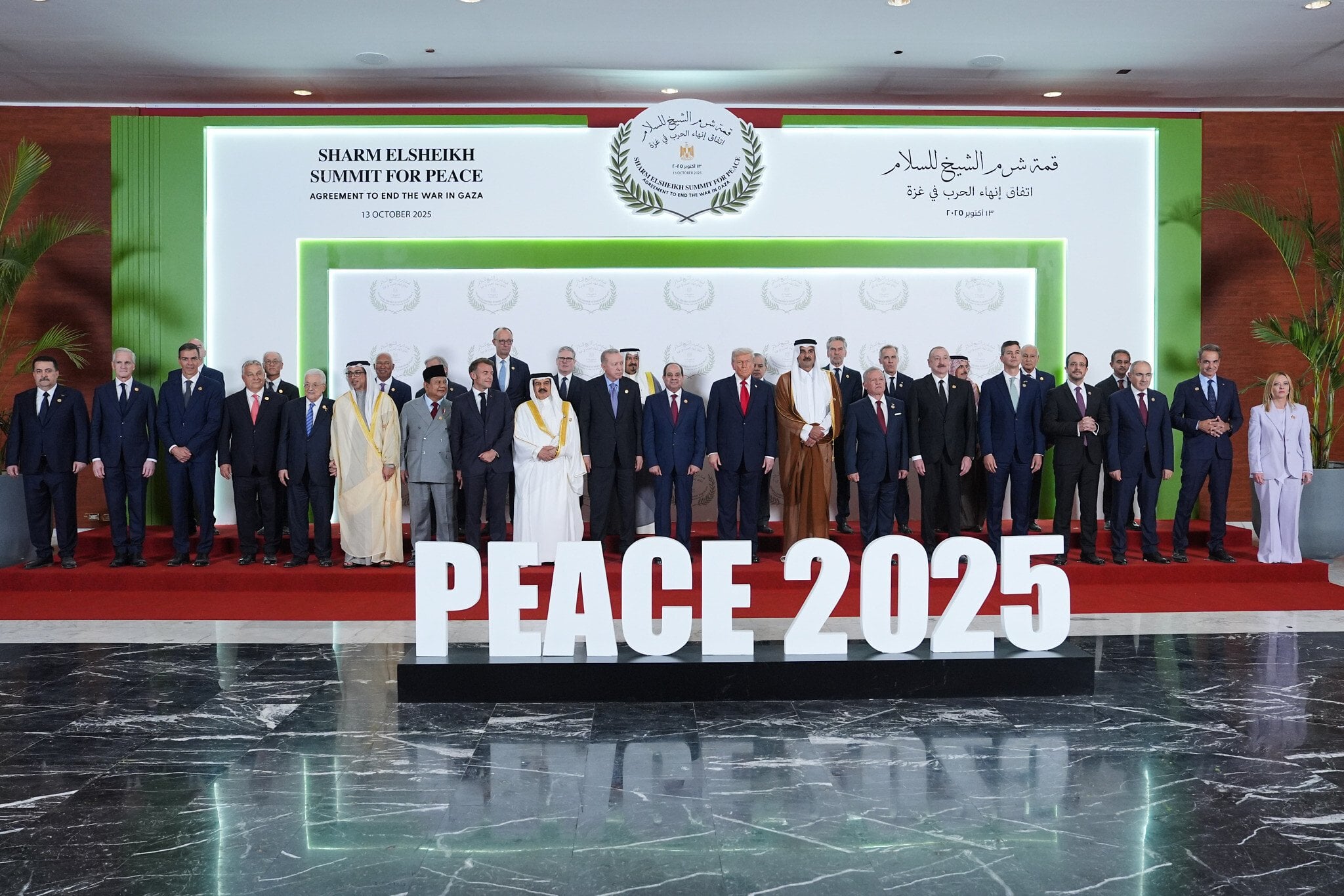
The pictures the world has seen of the Middle East lately, such as the event at the Knesset hosting US President Donald Trump and the Sharm el-Sheikh peace conference, display a welcome diversity of religions, worldviews, and perspectives. Nonetheless, one similarity between the photographs from each event is striking: women were almost entirely absent from them.
Twenty-five years ago this week, the UN Security Council passed Resolution 1325 – a groundbreaking pronouncement that, for the first time, called for the integration of women in decision-making forums in all fields, especially on issues of peace and security; for the protection of women, especially in conflict zones; and for the integration of gender perspectives into public policy in all areas of life.
The photographs of recent world events seem to show that it was just another well-intentioned resolution that did not bring about real change.
Partial progress
Many countries have made significant strides toward implementing the “women, peace, and security” approach, which recognizes the importance of women’s participation in building lasting peace and the disproportionate impact of conflict on women. No fewer than 115 states have published national action plans that include long-term strategies for implementing the principles enshrined in the resolution.
In certain countries, it is clear that this has led to significant change. For example, in Australia, Finland, Sweden, South Africa, Spain, and Argentina, which have adopted action plans, women’s representation in parliament has grown to around 45 percent.
Numerical representation is not on its own a sufficient condition for giving women an equal voice in public policy and peacebuilding, but it is difficult, if not impossible, for equality to be achieved without it. While there is no way to accurately determine the direct contribution of the action plans to the increase in numerical representation, there is no doubt that they constitute a clear and tangible expression of the importance that these countries attach to this issue in government policy.
Israel was the first country in the world to translate Resolution 1325 into law in 2005, requiring appropriate representation of women from diverse population groups in public bodies, with an emphasis on the field of peace and security. An additional government decision was passed in 2014, declaring preparations for formulating a national action plan. However, a comprehensive national action plan has yet to be published, legislation requiring women’s representation in peace and security processes is almost non-existent, and now Israel, despite the progress made, finds itself far behind.
Moving backwards
In addition to the absence of strategic planning for gender equality and government commitment to the issue, in recent years, a dramatic new factor has had an impact on the implementation of the “women, peace, and security” approach in Israel, as in many other countries: democratic backsliding.
This trend includes anti-feminist movements influencing government policy, attempts to delegitimize women in the public sphere, and threats to women’s rights, such as tighter restrictions on abortion in Poland and Croatia.
Recognizing the danger, in Canada and elsewhere, national plans emphasize that democratic erosion is one of the main threats to women’s equality today because it negatively affects all aspects of the status of women and leads to a decline in women’s representation in decision-making forums.
It is no coincidence that a couple of weeks ago, the Hillary Rodham Clinton Award for Advancing Women in Peace and Security (Clinton herself launched the US National Plan for the Implementation of Resolution 1325 in 2011) was given to three women for their work to promote democracy and combat democratic backsliding, not necessarily for their activism to promote gender equality. Explaining the reason for honoring journalist Anne Applebaum with the award, Clinton emphasized the connection between striving for women’s representation in the fields of security and peacemaking and resisting democratic regression, as Applebaum is doing in Poland and other countries.
Where women lead
Returning to the woman-less photographs of our leaders: There is no need to elaborate on the existential need for Israel’s security on the one hand, and on the other hand, the almost complete absence of women in our decision-making forums, as seen most recently in negotiations for the release of the hostages and the end of the war.
But while women were nowhere to be seen in the negotiating sessions in Doha and Sharm el-Sheikh, they were highly visible in the civic arena, where they worked (and continue to work) tirelessly, leading the drive for the return of the hostages and ending the war, and standing against democratic backsliding.
This contrast shows that the principles of Resolution 1325, despite the setbacks of recent years, can and should serve as a guiding light: to strengthen the role of women in Israel, from diverse population groups, so as to improve our shared chances of living here in peace and security.