Kohelet: We Live in a Contradictory World
Good people suffer. Our best plans fail. The future is unknowable. And still, we are commanded to find joy.
When I was younger, I felt a greater need to make sense of the world. I knew life was not fair and that terrible things happened for no apparent reason. But I believed that most contradictions could eventually be resolved.
I am no longer so sure.
I still believe passionately in right and wrong, personal responsibility, and trying to make the world a better place. But as I have grown older and faced challenges I never expected, I have become more willing to acknowledge that morality does not guarantee justice, effort does not guarantee outcomes, and faith does not necessarily bring understanding.
More importantly, I have become less interested in whether life is fair and more interested in how we are meant to live when it is not.
And that brings me to Kohelet.
Of all the books in Nevi’im and Ketuvim, it is probably my favourite. It is uncomfortable, sometimes almost brutally pessimistic, and heartbreakingly honest. It examines wealth, wisdom, ambition, pleasure, suffering, injustice, ageing, uncertainty, and death. Unlike many philosophical works, it does not begin with a theory. It begins with observation.
Kohelet looks at the world as it actually is and states:
יֵשׁ צַדִּיק אֹבֵד בְּצִדְקוֹ וְיֵשׁ רָשָׁע מַאֲרִיךְ בְּרָעָתוֹ
“There are righteous people who perish despite their righteousness, and wicked people who live long despite their wickedness.” (Kohelet 7:15)
There it is. No attempt to explain it away. No assurance that virtue guarantees health, prosperity, or longevity. Sometimes the righteous suffer and sometimes the wicked flourish. Kohelet sees this reality and refuses to deny it.
That honesty is one of the reasons I love the book. Questioning why suffering exists is not a failure of faith. The problem has occupied some of the greatest minds in Jewish history. Like countless people before me, I have searched for explanations and often found none. I am increasingly comfortable admitting that I simply do not know.
Kohelet goes further:
לֹא לַקַּלִּים הַמֵּרוֹץ וְלֹא לַגִּבּוֹרִים הַמִּלְחָמָה
“The race is not won by the swift, nor the battle by the strong.” (Kohelet 9:11)
He continues that wisdom does not guarantee prosperity, intelligence does not guarantee wealth, and knowledge does not guarantee favour, because time and chance affect everyone.
We like to believe that talent guarantees success, effort guarantees results, and good planning protects us from catastrophe. Yet life repeatedly reminds us otherwise. I spent much of my professional life developing strategies, assessing risks, and trying to improve outcomes, and I still believe deeply in doing so. But a good strategy does not guarantee a good outcome. You can make all the right decisions and still find yourself facing something utterly unexpected.
Kohelet is not telling us to stop trying. He is reminding us that effort matters, wisdom matters, and decisions matter, but we are not ultimately in control of the results.
Nor, he says, do we truly know what comes next:
לֹא־יֵדַע הָאָדָם מַה־שֶּׁיִּהְיֶה וַאֲשֶׁר יִהְיֶה מֵאַחֲרָיו מִי יַגִּיד לוֹ
“Human beings cannot know what will happen; who can tell them what the future holds?” (Kohelet 10:14)
For all our technology, expertise, and confidence, we remain remarkably ignorant of tomorrow. We make plans, project outcomes, and imagine futures, yet none of us truly knows what next year, next month, or even tomorrow will bring.
Some of the questions Kohelet raises are not abstract philosophical questions for me. They are part of daily life.
Perhaps that is why Kohelet resonates so deeply. Uncertainty is not a flaw in the human condition. It is fundamental to the human condition.
Yet despite all this, Kohelet is not a book of despair. For all his apparent pessimism, he repeatedly urges us to enjoy life’s blessings:
וְגַם כָּל הָאָדָם שֶׁיֹּאכַל וְשָׁתָה וְרָאָה טוֹב בְּכָל עֲמָלוֹ מַתַּת אֱלֹהִים הִיא
“That every person should eat, drink and find enjoyment in their work is a gift from God.” (Kohelet 3:13)
What a remarkable counterbalance. Kohelet does not say that because life is unpredictable, nothing matters. He tells us to appreciate what is here while it is here.
The moments that make up a good life are often far smaller than we imagine: a conversation, a friendship, a prayer, a shared meal. These are not distractions from life. They are life, and their impermanence may be precisely what makes them so precious.
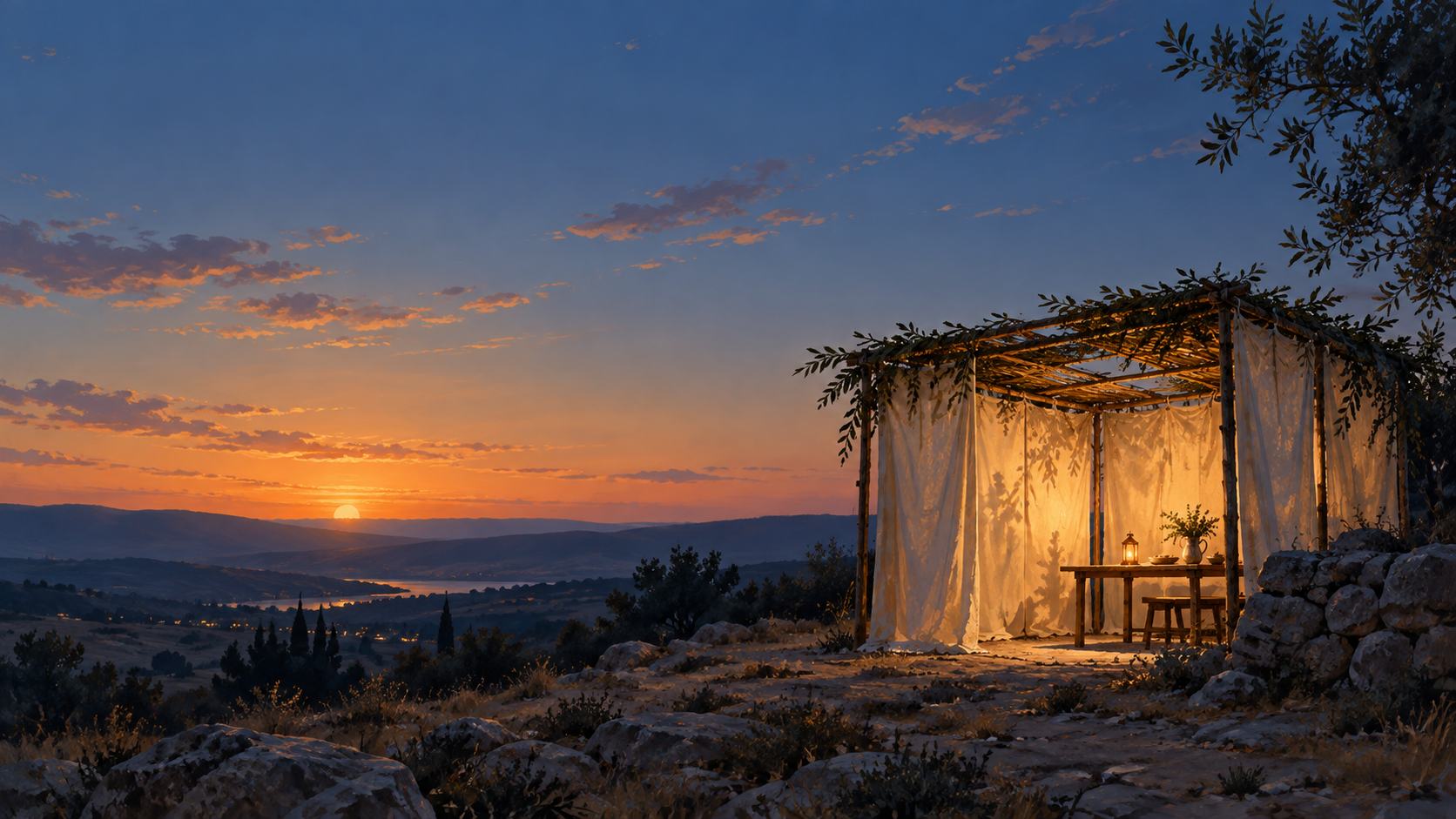
This brings us to Sukkot, the festival during which we traditionally read Kohelet. We leave the apparent permanence of our homes and dwell in a fragile sukkah. We are reminded how little of our security is truly guaranteed.
And yet Sukkot is a festival of joy.
We are commanded to rejoice not because the world is perfect or because our futures are secure, but despite their impermanence. There is something profoundly Kohelet about that.
After twelve chapters of wrestling with the human condition, Solomon concludes:
סוֹף דָּבָר הַכֹּל נִשְׁמָע אֶת־הָאֱלֹהִים יְרָא וְאֶת־מִצְוֹתָיו שְׁמוֹר כִּי־זֶה כָּל־הָאָדָם
“The sum of the matter, when all is said and done: Revere God and observe His commandments, for this is the whole duty of humanity.” (Kohelet 12:13)
I find this conclusion extraordinarily powerful.
After all the questioning, Solomon does not produce a neat philosophical explanation for suffering, injustice, or life’s many contradictions. He returns to God, not because he has solved every mystery, but because he has recognized the limits of his ability to solve them. And he returns to action: to keeping the commandments and living a life of meaning and responsibility without possessing all the answers.
There is a difference between believing in God, believing that God is just, and believing that we are capable of understanding all His decisions.
The first two do not require the third.
Perhaps this is why Kohelet belongs so beautifully to Sukkot. We are reminded that certainty is an illusion, yet we are commanded to rejoice nonetheless. We do not need to resolve every question, eliminate every fear, or understand every divine decision before allowing ourselves to experience happiness.
Perhaps this is what Kohelet has finally taught me. We may never understand all the contradictions of life, but we need not surrender its beauty to them.
Joy is not the reward for solving life’s contradictions.
Joy is the courage to live fully despite them.