
Lemkin’s Legacy Under Attack
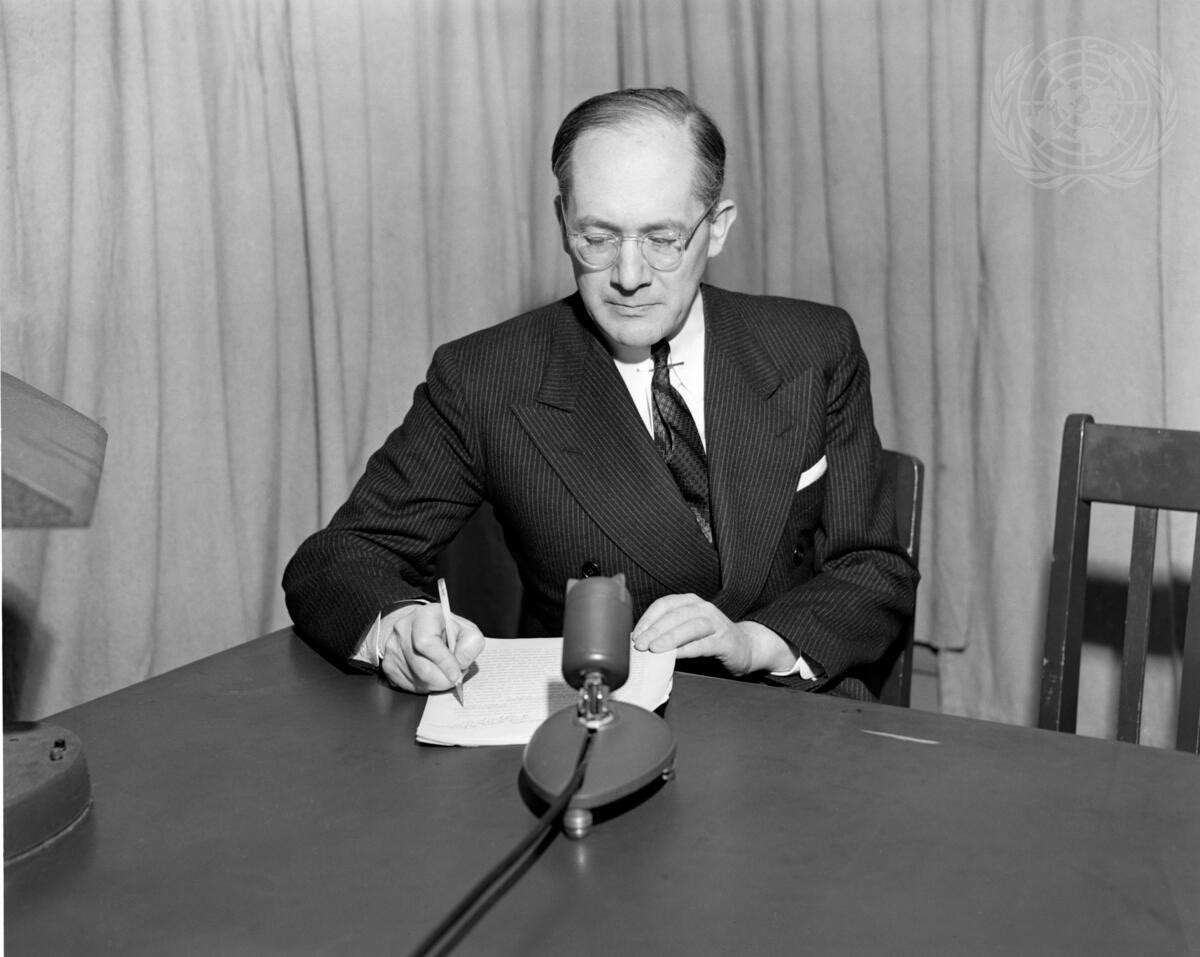
When ‘Genocide’ Is Weaponized Against the Jews, Lemkin’s Legacy Is Under Attack
The misuse of Raphael Lemkin’s name isn’t just a bureaucratic dispute. It is a fight over historical truth, moral clarity, and the integrity of the word ‘genocide’ itself.
Raphael Lemkin coined the word “genocide” to describe what the world had just witnessed: the deliberate, systematic destruction of the Jewish people during the Holocaust. He spent the rest of his life fighting to ensure that humanity would recognize such crimes in the future. But today, the meaning of his name and his life’s work is being twisted beyond recognition.
The current controversy began when a nonprofit organization bearing Lemkin’s name issued an “Active Genocide Alert” on October 13, 2023. This was just six days after Hamas carried out the worst massacre of Jews since the Holocaust. Before Israel had launched any major ground operation in Gaza, and before facts could be fully understood or verified, the organization declared that Israel was “effectively committing genocide.”
To accuse the Jewish state of genocide while Jewish families were still burying their dead was not merely premature. It was obscene. Worse, the group invoked the name “Lemkin” to do it, turning the legacy of the man who fought to memorialize the Holocaust into a weapon against the Jewish people. This is not a matter of semantics. It is a moral inversion that corrodes public discourse and weaponizes history.
The reckless use of the word “genocide” does more than slander Israel. It undermines the very tool Lemkin created to prevent future atrocities. When everything is genocide, nothing is. When the term is ripped from its historical roots and hurled as a political slogan, real victims lose protection and real perpetrators escape scrutiny.
Raphael Lemkin’s nephew, Joseph Lemkin, a New Jersey attorney, has decided to fight back. He has asked Pennsylvania officials to review the organization’s registration and its use of the family name. His message is simple and devastating: his uncle coined the word to describe what was done to the Jewish people, not to accuse Israel of committing it. Using his uncle’s name to brand Israel as genocidal turns history upside down.
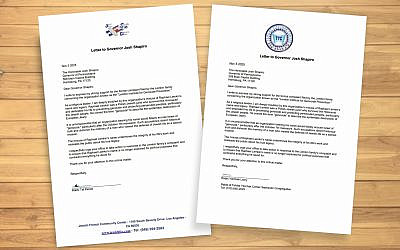
He is not alone in this fight. Several respected American rabbis, including Rabbi Marvin Hier of the Simon Wiesenthal Center alongside Rabbis Aryeh Ralbag, Yitzchak Lasry, and Tal Peretz, have joined the effort. They have submitted letters urging officials to stop what they view as a misuse of the Lemkin name. Their stance mirrors that of the family: invoking Lemkin to accuse Israel of genocide is historically inaccurate and morally perverse.
Holocaust remembrance is not a political accessory or a rhetorical device. It carries weight, pain, and responsibility. The debate here is not about trademarks or paperwork. It is about the fragility of truth in a world where propaganda spreads faster than facts, and where antisemitism adapts to whatever ideological language is fashionable.
The misuse of the term occurs in the same moral fog that allowed so many universities, media outlets, and activists to equivocate after October 7. It is the same fog that produced statements mourning “all sides” days after Jews were burned alive, treating the Hamas massacre as “context” while framing Israel’s self-defense as a crime. This inversion reflects a deeper sickness in the West, where people adopt slogans without understanding them and seem eager to repurpose Jewish suffering to indict the Jewish state.
Raphael Lemkin’s work was grounded in clarity about evil, intent, and the deliberate destruction of a people. To take his name and attach it to a false accusation against the world’s only Jewish state is an act of historical vandalism. It weakens our ability to identify real genocide and trivializes the memory of those who perished in the Holocaust.
Joseph Lemkin thanked the rabbis for stepping up, noting that their voices carry Holocaust memory and moral clarity. The “Lemkin” name should never be turned against the Jewish people. This should not be a controversial statement. But in today’s climate, even the obvious must be defended.
Words shape narratives, and narratives shape morality. Protecting the meaning of “genocide” is not just about the past. It is about the future. It is about ensuring that the tools created to stop mass atrocities are not hollowed out by activists eager for shock value. We must insist that even in an age of ideological chaos, truth still matters.