Less alone than I thought
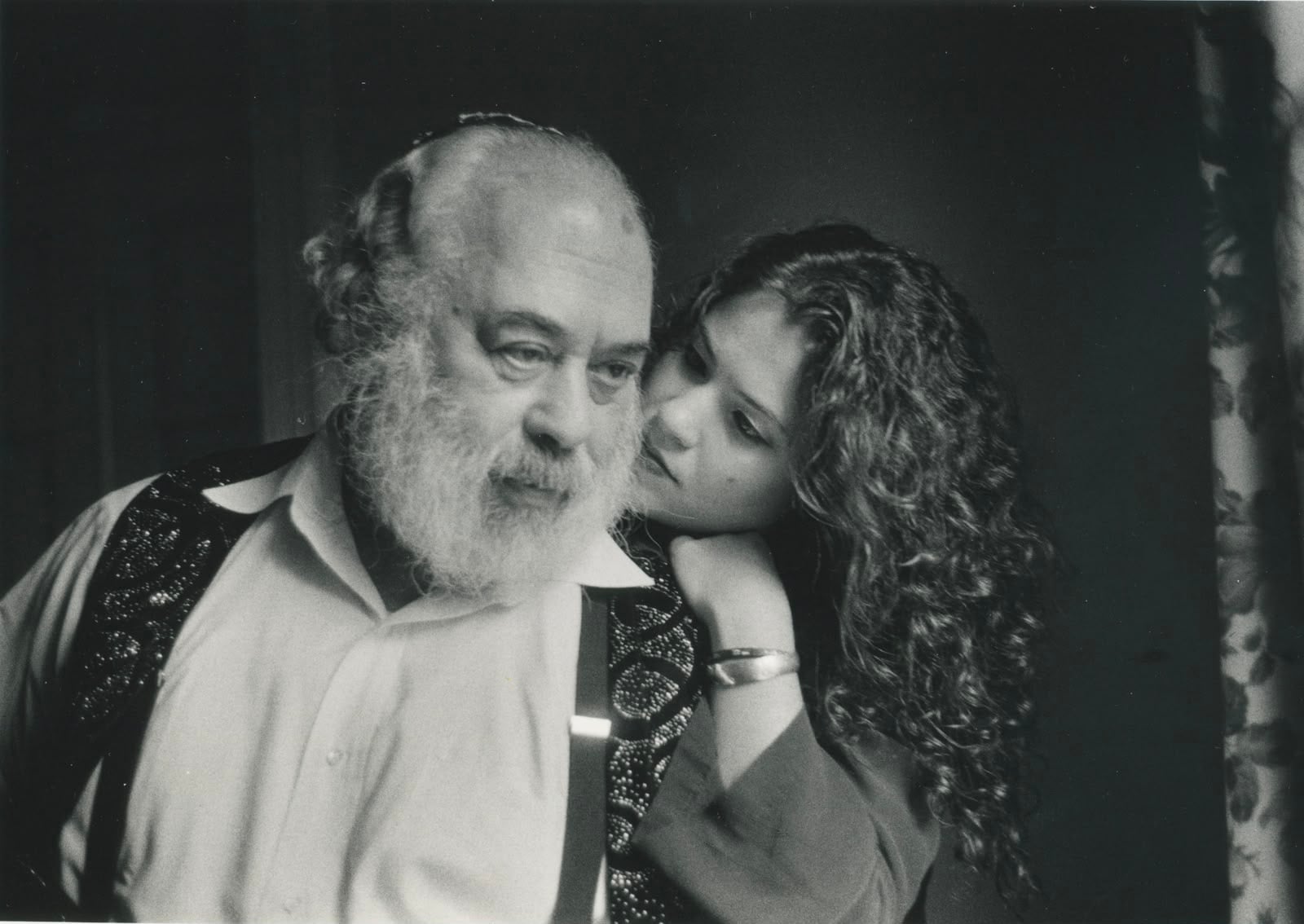
Since I published a reflection about why I chose not to attend the premiere of The Darkest Light, the film about my father, I have received countless phone calls, emails, and comments. People have written with kindness, anger, vulnerability, grief, and difficult questions. I cannot answer every message, but I am receiving them all.
Many have asked whether they should see the film, continue listening to my father’s music, or separate the art from the artist. I cannot answer those questions for anyone else. Each person enters this conversation carrying a different history and capacity. Each must choose their own path.
Another kind of message has reached me again and again. People have shared stories about family members they have loved who have also caused deep harm. They have written about parents, grandparents, teachers, siblings, and spiritual leaders whose goodness was real and whose wrongs were also real. Their circumstances are different from mine, sometimes profoundly so. Yet I recognize the anguish of trying to hold what feels impossible.
Reading these stories, I have realized that I am less alone than I thought.
I believe that being human means living with complexity and paradox. Compassion can coexist with anger, and courage alongside fear. These seemingly opposing qualities are not always separate from one another. They often coexist in the same person and sometimes even within ourselves.
It would be simpler to decide that if we have been hurt, the love must not have been real. It would be simpler to make a person a villain, because then we don’t have to wrestle with the possibility that someone who caused profound pain may also have been someone we loved deeply.
But life is not that simple.
The love can be real, and the harm can be real. The goodness can be real, and so can the failure. Sometimes we love someone not because we failed to see who they are, but because there really is something good in them. What was beautiful can still have been truly beautiful, even when the person who gave us those beautiful things also caused devastating harm.
Acknowledging one truth does not require us to deny the other.
I have learned that it can be excruciating to hold both: to hold love alongside anger, and gratitude alongside grief. But learning to hold both has led me to a new place of strength. Even now, there are moments when I desperately want one truth to win. Perhaps our deepest growth comes when we stop demanding that one truth defeat the other.
We grow when we learn to live in the uncomfortable space between truths, resisting the urge to turn people into saints or sinners.
Both can be true.
And yet complexity must never become an excuse for moral confusion. Holding two truths does not mean that they carry equal moral weight. Love does not excuse harm. Admiration does not erase accountability. And acknowledging what was beautiful does not require us to minimize what was wrong.
To deny either side, though, is to deny a piece of our own experience. Perhaps becoming whole means having the courage to hold all of it, and to allow some of the tension to remain unresolved.
This is why testimony matters. Every person who brings a hidden truth into the light makes it a little more possible for someone else to speak. Yes, it hurts, but it is how we face darkness.
My heart is lifted by all those who are responding to the film with their own stories. What feels isolating feels less lonely when shared. There is something powerful in discovering that the thing we thought we had to carry alone is something others understand.
There is a question I wish we asked more often: What should we do when someone tells us they have been harmed?
We have to be able to hear testimony without first requiring the person being accused to fit our idea of a villain. Sometimes the person who caused harm is also someone we love, admire, or know to have done genuine good. That cannot make us less willing to hear the testimony or act.
Communities must become places where people can speak without fear of being ignored, shamed, threatened, or blamed. We need clear reporting systems, leaders trained to respond with care, independent accountability, and sustained support for those harmed. We must teach our children about consent, healthy boundaries, responsible authority, and their own worth.
Most of all, we must never value the reputation of an institution, donor, family member, or beloved leader more than the dignity and safety of a human being.
I do not know what the long-term impact of The Darkest Light will be. I am grateful that it is opening conversation. My hope is that it becomes more than a portrait of my father and a reckoning with his complex legacy. I hope it challenges individuals, synagogues, schools, camps, spiritual communities, and organizations to ask if and how they protect people, support survivors, and hold those with power accountable.
Only when we stand beside people in their pain, without rushing to defend, explain, or look away, can healing – in some form, please God – and incremental change begin. Only then can we examine the conditions that allowed harm to be ignored or hidden in the first place. Only then can we begin to build a safer world for our children.
So this is my prayer:
May we comfort those who are hurting.
May we have the courage to listen to and actively hear the stories that unsettle us.
May we make room for complexity without losing our moral compasses.
May survivors know that their voices matter, not only in the moment they speak, but throughout the long journey that follows.
May those struggling with love, anger, grief, loyalty, and truth know they are not alone.
May we become a people capable of holding heartbreak and hope at the same time, in the same hands.
Our identities will not fall apart when we face difficult truths. Our communities can become stronger, healthier, safer, and holier because we faced them.
Our children deserve adults who will not turn away.
May we become those people.