Let Redemption Grow: Let’s Pray on That — Bo 5786
Over the last year, I’ve spent a lot of time building an interfaith coalition and forming deep connections with Christian clergy. I’ve noticed a fascinating difference between Jewish clergy and my Christian colleagues.
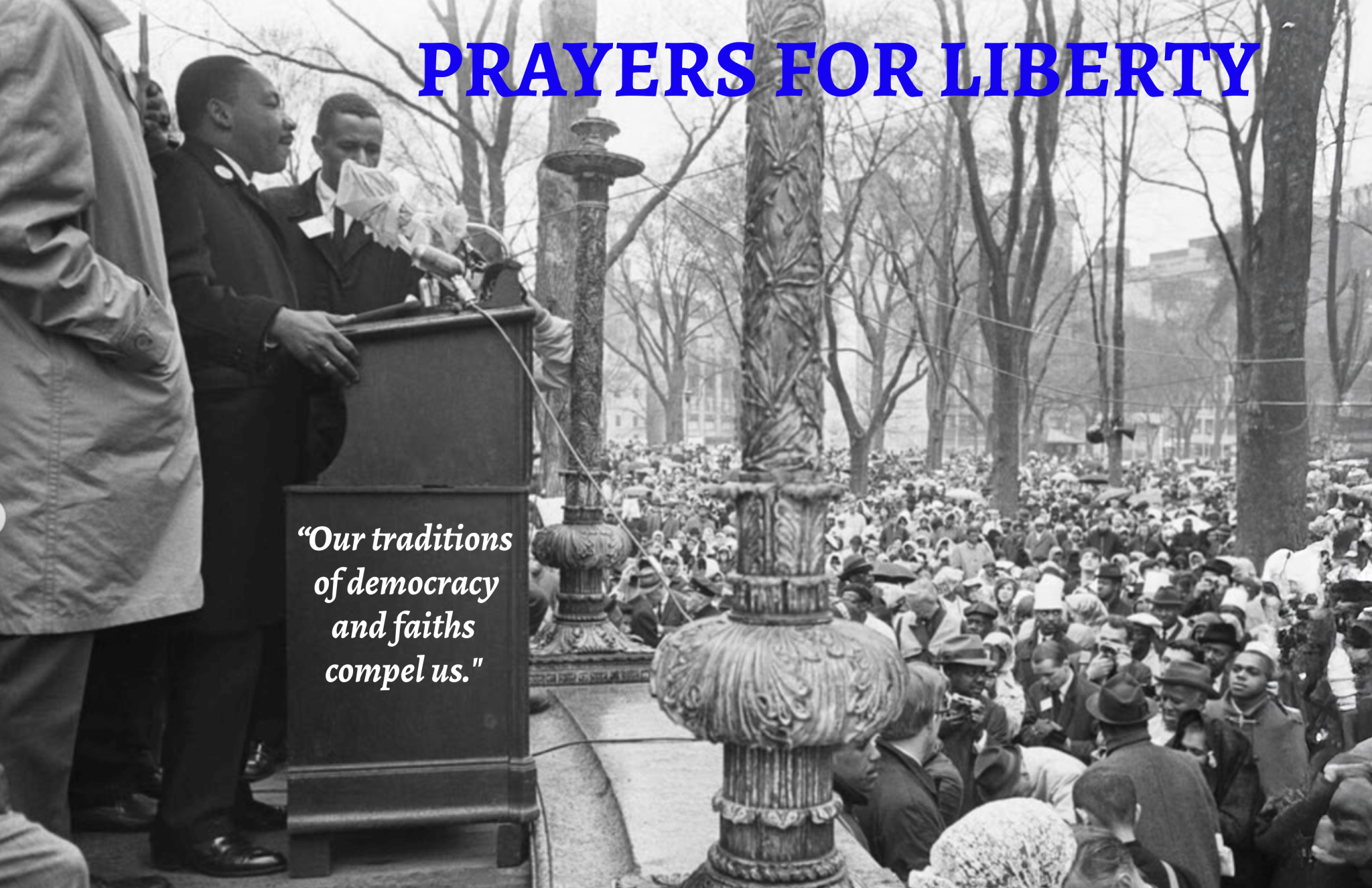
When some of my Christian friends are facing a decision — when they’re trying to figure out whether to act, or how — they’ll often say:
“I’m going to pray on that.”
At first, I didn’t get it.
I thought: Why are you praying? You should be deciding.
But over time, I realized: when my Christian colleagues say, “I’m going to pray on that,” they mean discernment — bringing the decision into God’s presence, waiting long enough to hear what’s right, not just what’s urgent.
It’s humility and accountability: I’m not my own highest authority.
*****

So this week, I decided to try it.
To let prayer guide me.
I opened our siddur, our prayerbook, and let words wash over me, and see if anything called out to me.
And then it kind of happened at Wednesday night minyan.
I was davening the Amidah, the standing silent prayer, when my eyes fell on a phrase I have recited literally tens of thousands of times, a phrase I have said, but I guess I never really heard it:
מַצְמִיחַ יְשׁוּעָה — matzmiah yeshuah.
The One who causes deliverance to sprout forth.
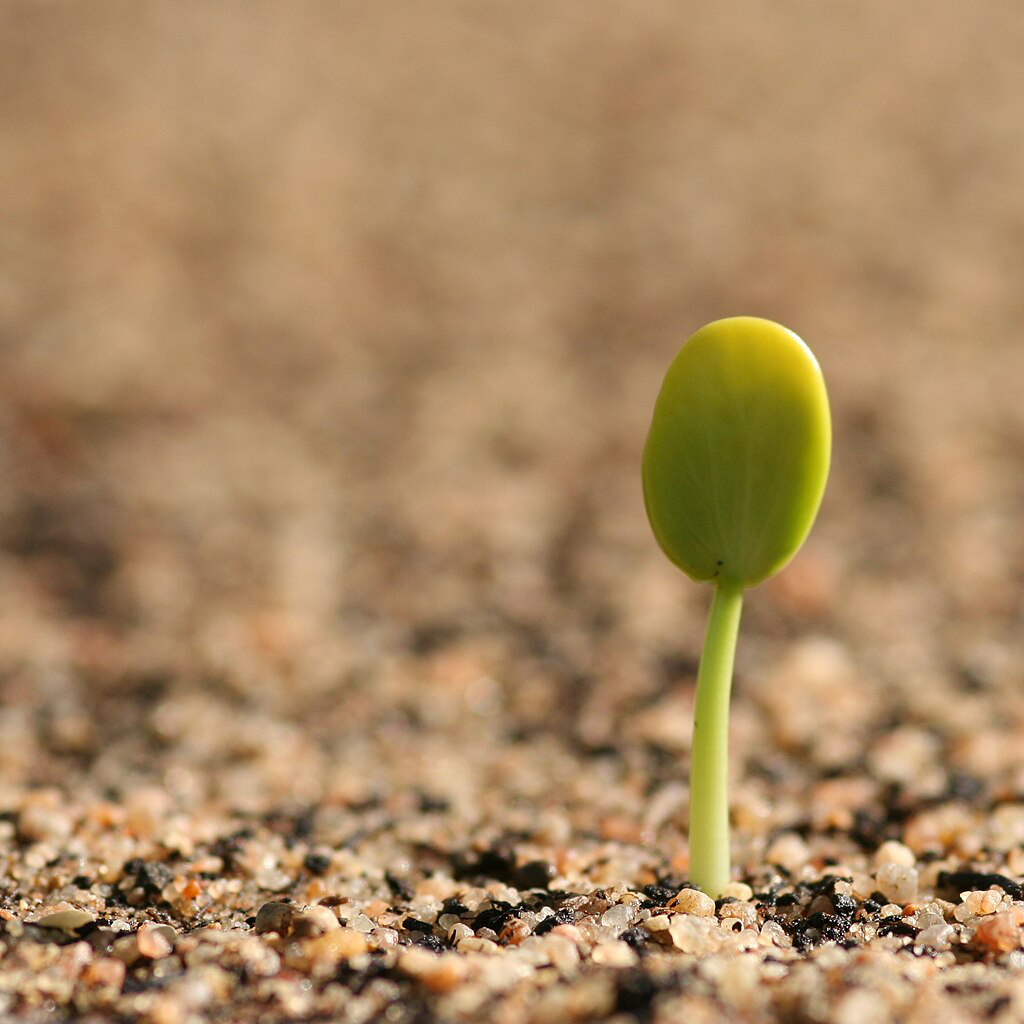
The One who helps redemption grow.
Matzmiah yeshuah is not a bolt of lightning, but it describes God as the One who grows something over time: planting, nurturing, tending, coaxing life from what looks like dead ground.
God is not merely the One who sustains the living through kindness and love, as the text says, who supports the falling, heals the sick, loosens the chains of the bound, but God is also the One who is planting seeds and cultivating a future we can’t yet fully see.
God is Matzmiah yeshuah.
And if this is who God is, then this is who we are or who we are supposed to be.
We are meant to work in that soil of salvation.
The place where redemption sprouts from the earth because we are God’s hands in this world.
That’s the frame for this month, the Hebrew month of Sh’vat, as we approach Tu B’Shvat, the birthday of the trees.
In a season that looks frozen, hidden work is happening. The sap is rising. Under bark and beneath soil, life is moving.
Redemption is beginning to sprout.
*****
But, of course, as we look outside, it’s cold, it’s really cold — literally and metaphorically.
And, it’s full of ICE.
Friends, this has been and remains a challenging time.
We are witnessing horrors that are shaking us.
People afraid to drive to work.
People afraid to pick up their children.
People afraid to go to the courthouse, or the hospital, or even to pray.
And we have seen our government turning on people with a brutality that feels unrecognizable.
Not only on undocumented immigrants, not only those without papers, but people who look like “targets” because of skin color, because of language, because of their neighborhood…
More and more, these masked government forces are functioning like dangerous gangs who act with impunity — unaccountable and protected by those in power.
We are not in a normal time.
The killing of Renée Good — someone who was seeking to do some good — has become a wake-up call. And it is calling us to speak out and act.
Beyond her death, what has disturbed me most is what people witnessed in the aftermath: officers refusing to let doctors treat her, come near her, hold her as she died, or move vehicles to allow the ambulance through. Instead, federal agents stood around smiling or laughing, intimidating bystanders, and using pepper spray as people stood in shock.
We are not in a normal time.
So what are we asked to do?
Let’s pray on that.
*****
Parashat Bo is not only our ancient history.
It is our spiritual training manual for moments like this.
Parashat Bo is the story of redemption — the story of moving from slavery to freedom, from the narrowness of Mitzrayim, of Egypt, to the possibility of liberation.
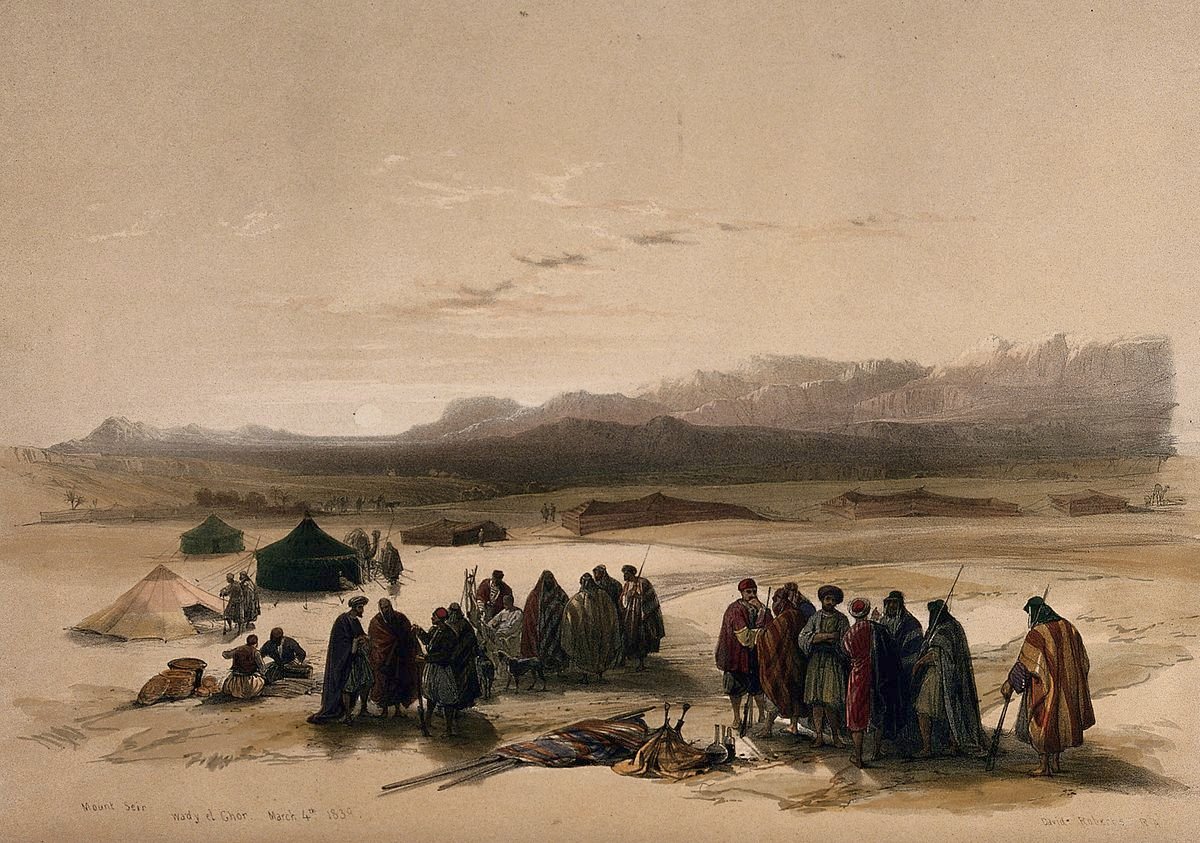
It is the story of a people learning that oppression is not inevitable, that history can bend, that a different future can be born.
But here is one of the strangest, deepest moves in the entire narrative. Before the people even leave Egypt — before the sprint, the sea, and the song, God pauses and says something like: “by the way, this night is going to become a remembrance forever. You will reenact this. You will institutionalize it. You will teach it.”
And I always imagine Moses and Aaron, juggling all the logistics — lamb, blood on doorposts, packing, children crying, elders exhausted.
And God says, “Also, I need to talk to you about the calendar.”
And Moses and Aaron must be thinking: What?!?
God is reminding them, and us, that redemption is never only a one-time event.
God is matzmiah yeshuah — God is urging us towards a redemption that needs tending to grow.
Which scarily means that the world will produce new Egypts. There will be new forms of slavery, new forms of cruelty, new forms of fear.
And therefore, we must remember the Exodus not merely as a story, but as a training.
The Mishnah teaches that “B’khol dor vador hayav adam lirot et atzmo k’ilu hu yatzah mi’Mitzrayim – in every generation a person must see themself as if they personally went out from Egypt.
The Exodus is not only something that happened to them.
It is something that happens to us, again and again, in different disguises — and we are called to respond.
So what are we asked to do today, at this inflection point?
Let’s pray on that.
*****
The Torah gets practical.
And in the very same chapter, with the very same urgency, the Torah says:
וְאִם־יִמְעַ֣ט הַבַּ֘יִת֮ מִהְי֣וֹת מִשֶּׂה֒ וְלָקַ֣ח ה֗וּא וּשְׁכֵנ֛וֹ הַקָּרֹ֥ב אֶל־בֵּית֖וֹ בְּמִכְסַ֣ת נְפָשֹׁ֑ת
“If the household is too small for a lamb, let him and his nearest neighbor join together…”
In other words: redemption is not a solo act.
If your household is too small, find your neighbor.
Make a group.
Share the burden.
Get organized.
Be ready.
*****
That brings me to a nuance I want to share honestly: this is also a hard time for us, particularly as Jews.
Antisemitism is all around us, and it is shape-shifting. It appears in old forms and new ones. And it often appears precisely when Jews are trying to stand with others.
I spoke with my friend Josh Ratner, who is the Rabbi of the Pasadena Jewish Temple and Center, this week. His synagogue was the one that burned down in the LA fires a year ago.
Three days after they held a one-year commemoration to grieve and to start to rebuild, someone spray-painted on their remaining wall – ironically, their Western Wall: “Rest in peace Renée,” and then, “[an expletive] Zionism.”
Hate aimed at Jews, aimed at dividing us.
It was an attempt to conflate wholly different things — to say that those who terrorize immigrant communities and Jews who believe in Israel’s right to exist are the same.
It was an attempt to split coalitions, to destroy solidarity, to make people feel that justice work comes with litmus tests and exclusions.
This is a tricky time.
Because yes: some of the people we may work with may not be aligned with every part of our identity as Jews.
But we don’t walk away.
We walk carefully.
We remember that matzmiah yeshuah is a calling we cannot ignore.
Growing things is messy.
They don’t always take root.
Weather changes.
Soil can be rocky.
And still we plant.
We water.
We fertilize.
We protect the vulnerable shoots.
Because redemption doesn’t usually come like the parting of the sea, it’s more like a garden.
So:
Let redemption grow.
Let redemption grow in the soil of salvation — here, now, in this cold season of Sh’vat.
Because this is not only “someone else’s problem.”
The threats are not only to people who are undocumented. They include people with legal status, people with TPS (Temporary Protective Status) — like those who fled catastrophes, like those from Haiti, and are now living with the dread that protections may evaporate in the coming days.
If you say, “Why should I care?”
Well, forget even the values, just care about the tens of thousands of seniors and elders who depend on immigrant labor in nursing homes and home care.
But really care because when a society treats people as disposable, everyone becomes less safe.
Care because our democracy cannot survive without due process.
And care because this impacts us.
I spoke with a member of our own community whose parent is undocumented and afraid to travel — afraid to visit children and grandchildren, afraid.
*****
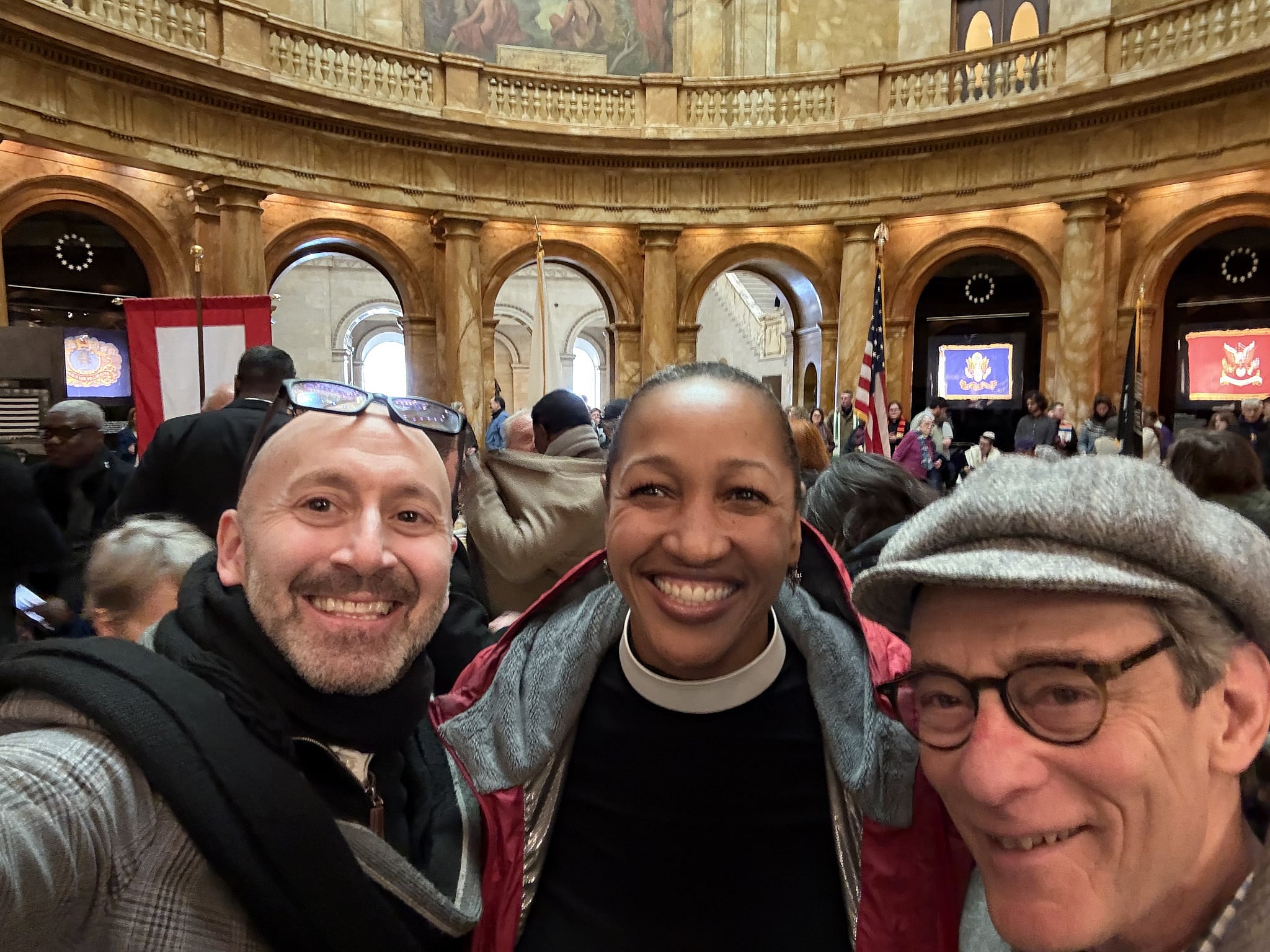
Yesterday, I joined a prayerful, faith-filled clergy march — a procession, not a chant-led protest. Clergy from different traditions walked together as a visible witness and gathered and prayed in the Rotunda of the Statehouse.
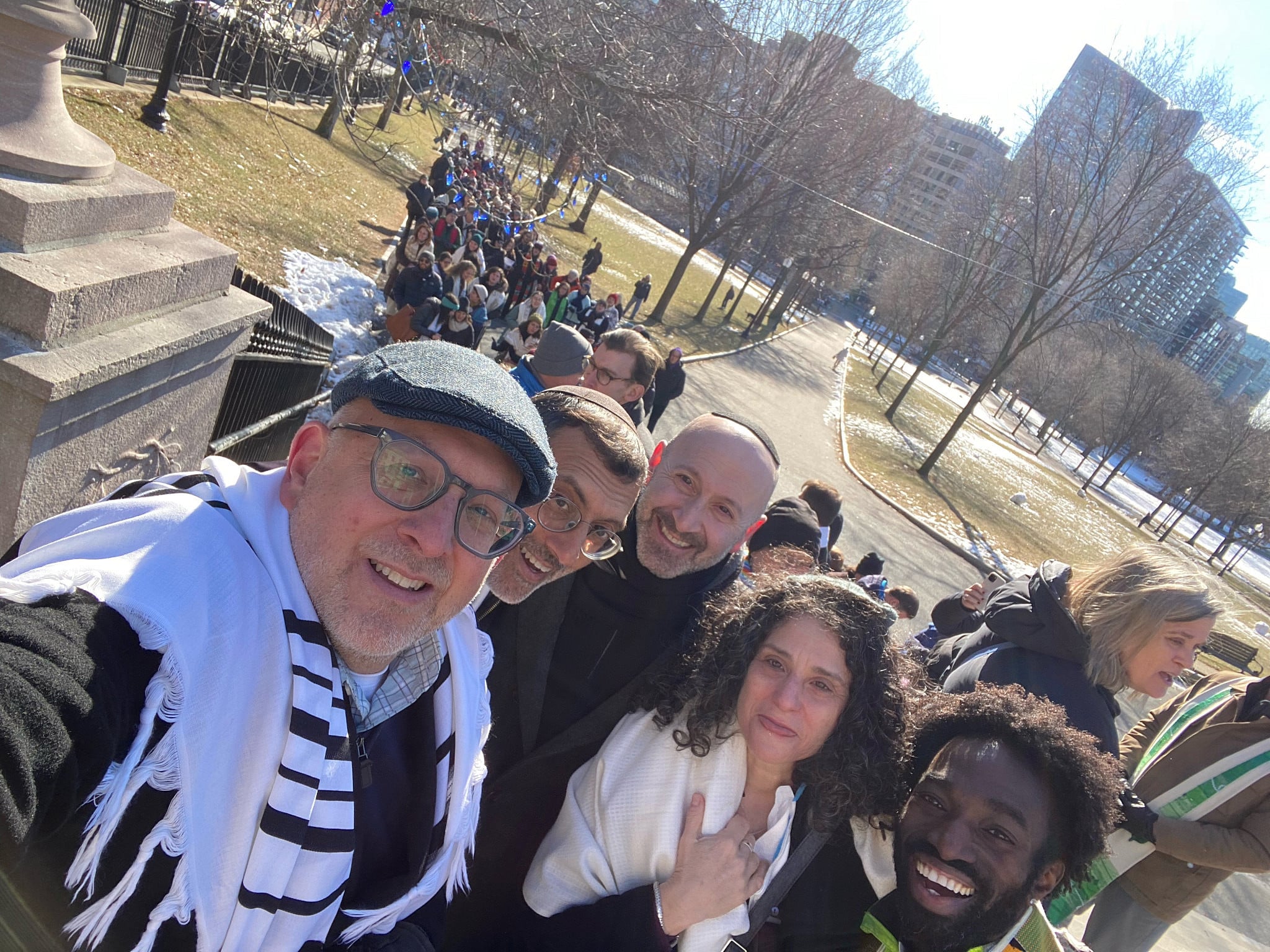
Through song, call-and-response, and silence, we made a commitment: we will not stand idly by.
We carried ourselves into public space as a form of responsibility — an insistence that protecting the vulnerable is a core faith value.
And I want to tell you the truth: being there didn’t solve everything.
But it did something holy.
It moved prayer into legs.
It moved anguish into presence.
It reminded me that despair is not a strategy — and neither is isolation.
So what are we asked to do right now?
Let’s pray on that.
And let the prayer lead to something concrete.
Here are some steps:
- Don’t let what’s happening fade into background noise. Stay awake. Pay attention.
- Connect with immigrant support and accompaniment networks in our region.
- Call elected officials. Demand accountability, due process, and humane policy.
- Donate to organizations doing legal support and mutual aid.
- Check in on immigrant neighbors and friends — especially those living with fear.
- And when our community calls for presence — show up. Let’s talk about what we can do.
*****
As Rabbi Abraham Joshua Heschel, after marching in with Dr. King in Selma in 1965 famously said: “I felt my legs were praying.”
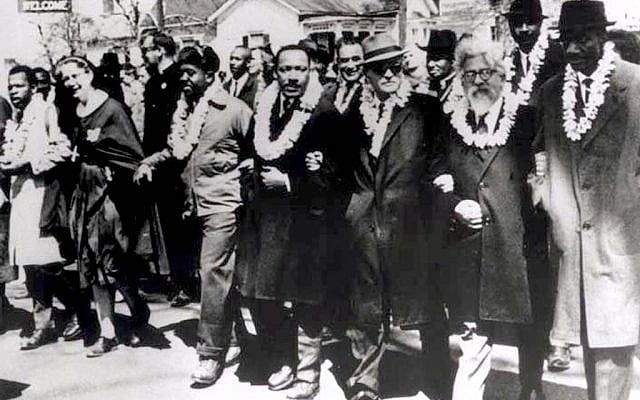
Friends: we need praying legs now.
We need hands that act.
We need to work the soil of salvation.
Let’s pray on that.
And then, together, let redemption grow.