
Writer covering Israel–Africa, Jewish affairs, and Israel worldwide
Like Schwartz in the Top Hat: Israel and the Waiting Game of Friendship
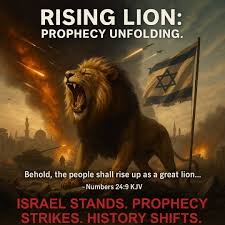
Jerusalem Prayer Team/ The lion roars alone in Jerusalem — the city stands, the friends watch, and history adds another echo.”
Like Schwartz in the old Jewish joke, you can almost picture Israel armed, alert, and diplomatically dressed waiting for the world to show up. Maybe someone will come, we think. But after this war, the wiser question isn’t who arrives, but rather why the waiting room is still open. Wars reveal many things: not just how nations fight, but who truly stands beside them once the dust settles. This last Gaza war didn’t just redraw lines on the map; it redrew the lines of friendship.
Israel’s Standing During the Gaza War
When Hamas unleashed its October terror attack, the world’s outrage was immediate and near-unanimous. Western capitals lit up blue and white, leaders called the assault “barbaric,” and for a brief moment, Israel’s moral position seemed ironclad. Sympathy wasn’t a debate; it was instinct. But international solidarity, it turns out, has a half-life shorter than a news cycle. As the IDF advanced in Gaza, and civilian images filled screens, the moral mood shifted. Governments that had once expressed full support began calibrating their words for domestic audiences. The further the war went, the louder came the caveats: “Yes, Israel has a right to defend itself, but…”
Behind the shift was political arithmetic. In Europe, large Muslim populations and vocal activist networks turned empathy into electoral liability. In the US, political polarization quickly attached itself to Israel’s every move. What began as moral clarity dissolved into moral balancing. Yet, despite the diplomatic erosion, Israel’s military proved its mettle. The IDF’s precision raids, underground warfare, and intelligence integration showcased the kind of operational maturity that few modern armies could match. But while Israel was dismantling tunnels in Rafah, it was also fighting another kind of siege, one in which its legitimacy was constantly on trial. Courtrooms, campuses, and editorial pages became new front lines, where Israel’s survival instincts were reframed as moral overreach. It was the paradox of being both effective and condemned, admired militarily and indicted politically.
Israel’s Relations: True Friends and Unreliable Ones
If wars are stress tests for alliances, this one exposed the cracks. Nowhere was that clearer than in Europe. At first, the EU spoke with one voice in defending Israel’s right to self-defense. But once the Rafah operation began, unity melted into unease. Calls for “immediate humanitarian ceasefires” replaced earlier statements of solidarity, and whispers of sanctions began circulating in Brussels. Nations that once vowed to “stand with Israel” began wondering aloud if they should stand apart from it. It wasn’t just rhetoric; several European governments moved toward reviewing arms exports and limiting cooperation. The continent that once prided itself on post-Holocaust solidarity suddenly rediscovered its taste for moral conditionality.
Across the Atlantic, however, the friendship remained firmer though not without friction. The United States continues to be Israel’s ultimate Iron Dome of diplomacy, providing billions in military aid and security cooperation that remains unmatched by any ally. But even Washington’s patience showed strain. In the election year 2024, every Israeli airstrike seemed to echo in American polling booths. The “unbreakable bond” was tested by both humanitarian optics and domestic politics.
Still, US support held, because beneath the speeches lies hard strategy. For all its frustrations, Washington understands that Israel is its most reliable anchor in an unpredictable region. And Israel, in turn, knows that even its most exasperated ally is still the only one willing to shield it at the UN when it truly counts. Friendship, in other words, remains but not without fatigue. And fatigue, history teaches, is a dangerous ally.
How These Relations Affected the War
Diplomacy doesn’t just shape wars, it restrains them. As global criticism mounted, Israel’s battlefield options narrowed. Western governments pressed for “proportionate responses,” “humanitarian corridors,” and “temporary pauses” that, in reality, granted Hamas time to regroup. Every tactical decision required a political translation. The fight was no longer just about eliminating threats, but doing so politely. This is the “diplomatic handcuff” of modern warfare: Israel must fight a terror group that hides behind civilians, while simultaneously meeting ethical expectations set by those who’ve never faced such enemies. It’s warfare with an audience, and the audience holds the remote.
Meanwhile, international tribunals and UN agencies turned up the volume. Accusations of war crimes, ICC petitions, and ICJ hearings became convenient tools for moral grandstanding, a kind of judicial theater where outcomes mattered less than optics. The message to Hamas was implicit: even if you lose on the battlefield, you might still win the narrative. Inside Israel, the toll of this isolation ran deep. Citizens under rocket fire watched as their nation became the global defendant, and frustration turned into grim clarity. The sense of betrayal that moral sympathy evaporates precisely when survival becomes ugly hardened public opinion. It wasn’t bitterness, exactly, but a sober realization: in moments of crisis, international friendship often has an expiration date printed in invisible ink.
Israel’s Future: Time for Independence
So where does Israel go from here? Perhaps toward what the pm calls its “Sparta moment.” The old paradigm seeking approval from international arbiters no longer works. Israel doesn’t need to be loved; it needs to be self-sustaining. That means embracing military independence. As some of its leaders have said, Israel must prepare for “Athens and Sparta” — an economy and defense system powerful enough to thrive amid diplomatic isolation. With breakthroughs in AI-driven targeting, drone warfare, and cyber deterrence, Israel can rewrite the rules of its own security, reducing reliance on imported weaponry or foreign signatures of approval.
Economic independence follows the same logic. Global boycotts, BDS campaigns, and politicized trade threats remind Israel that vulnerability isn’t just military, it’s financial. The answer isn’t retreat, but reinvention. By doubling down on innovation, defense tech, and high-tech exports, Israel can build an economy resilient to moral posturing and economic coercion alike. It’s not isolationism, it’s autonomy. And autonomy, after this war, may be the only reliable friend left. Perhaps that’s the quiet lesson of this whole ordeal. Like Schwartz, Israel can stay dressed for diplomacy, but not because it expects company. The hat now serves a different purpose, not as a signal of waiting, but of readiness.
The age of looking outward for validation should be done with. The future of Israel shouldn’t be written in the resolutions of the United Nations, but in the labs of Tel Aviv, the fields of the Negev, and the determination of a people who ought to learn that self-reliance is the truest alliance. Maybe someone will come. But this time, Israel must not be waiting to find out.
Related Topics
Related Posts