Living the Jerusalem we once only prayed for
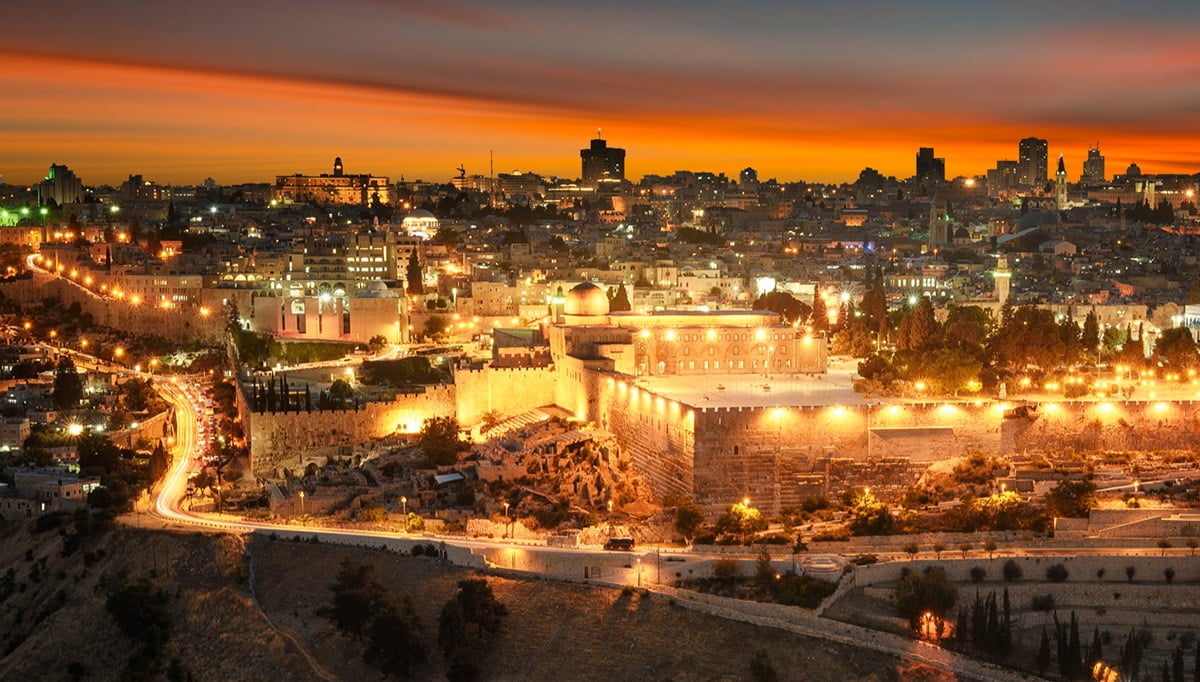
You’re buying milk at a Jerusalem makolet (mini-market). Someone’s arguing about cottage cheese prices. A city bus rumbles past outside.
Just another Tuesday. Except for 2,000 years, your ancestors couldn’t do this: couldn’t casually shop in Jerusalem, couldn’t live here except at the mercy of whoever controlled the city.
And now you can. You do. You live here.
That’s what Yom Yerushalayim – Jerusalem Day, May 14th is really about.
When History Became Present Tense
June 7, 1967. Israeli paratroopers reached the Western Wall. The radio crackled: “The Temple Mount is in our hands.”
Soldiers wept, hardened combat veterans broke down at stones their grandparents could only dream of touching. They understood this wasn’t just territory. This was closing a circle open since 70 CE when Romans destroyed the Temple and scattered our people.
Every Passover for two millennia ended with “Next year in Jerusalem.” Every prayer faced Jerusalem. It was memory, longing, promise; never reality.
Until suddenly, impossibly, it was.
Your Ordinary Life Is Their Wildest Dream
When you made aliyah, you focused on practical things: finding an apartment, learning Hebrew, navigating the health system.
But consider what you’re actually doing. You live in the city Jews prayed toward three times daily for thousands of years. Your kids go to school here. You work here. You have opinions about which hummus place is best.
Your great-great-grandmother in Poland prayed for return to Zion her entire life and never saw it. She couldn’t have imagined you, her descendant, casually living what she desperately longed for.
You are the answer to prayers recited in exile and fear. You are promises fulfilled: we will return.
And here you are, buying groceries.
The Jerusalem Nobody Warned You About
Prayer books describe Jerusalem in golden terms. Spiritual, perfect, ethereal.
The real Jerusalem is messier. Secular hipsters and Hasidic families. Muslim calls to prayer and church bells and synagogue services. Nightmarish traffic, impossible parking, constant debates about the city’s future.
It’s expensive, complicated, and shuts down early. The weather swings wildly.
And yet it’s Jerusalem. The one we prayed toward for two thousand years.
The complexity makes it meaningful. The prayer was never about perfection, it was about coming home. About Jews living Jewish lives with all the mess and beauty that entails.
Jerusalem isn’t a museum. It’s meant to be lived in.
What It Means to Be Jewish Here
Being Jewish in Jerusalem is fundamentally different from anywhere else.
In the Diaspora, you’re always explaining holidays to coworkers, why you can’t make meetings during Pesach, navigating a world not built for you.
In Jerusalem, Judaism is the context. Shabbat changes the city’s rhythm. School schedules follow the Jewish calendar. Street signs use the language of your prayers.
This is sovereignty: living Jewishly without apology or explanation. Inhabiting time and space that reflects who we are.
The Responsibility You Carry
Living in Israel means you’re part of something larger. Every time you stay despite challenges, raise children here, contribute to society, you’re proving the return to Zion works. It’s real, sustainable, thriving.
Because doubters still exist. People who think Israel is temporary, unsustainable.
Your ordinary life proves them wrong. Your daily routines demonstrate we’re not going anywhere. We came home. We’re staying.
The soldiers who reached the Western Wall in 1967 fought so Jews could live freely in Jerusalem. You’re the reason they fought.
Celebrating Return
On Jerusalem Day, the city fills with celebrations. Flags, crowds, concerts, collective joy.
Your first Yom Yerushalayim as an oleh, an immigrant, might feel surreal. You might feel swept up or slightly outside it.
Both are valid. But understand: your aliyah is part of what this day celebrates. You chose to invest your life in Jewish future, in Jewish space, in ancient promises fulfilled.
You’re living the vow “If I forget thee, O Jerusalem.” You’re the memory made real.
The Prayer Became Geography
For 2,000 years, Jerusalem existed in two forms: the physical city controlled by others, and the Jerusalem of Jewish longing.
In 1967, they collided. The dream became real.
When you walk through Jerusalem now, you inhabit both at once: the Jerusalem your ancestors imagined and the Jerusalem that actually exists, with its traffic and bureaucracy and real estate prices.
You’re the bridge between what was hoped for and what is. That’s profound. That’s also just your regular life.
Which is exactly right. The whole point was to live here, not worship from afar. To make it ours practically, not just spiritually.
Your frustrations with Jerusalem make it Jewish again. A truly Jewish Jerusalem isn’t perfect – it’s where Jews live fully human lives.
Next Year in Jerusalem
For generations, Jews ended Passover seders with “Next year in Jerusalem.” A hope, a dream, a promise that felt distant.
You’re already here. Next year in Jerusalem? You’re living it now.
The dream came true. The prayer was answered. The impossible happened.
And now your job is to stay. To build. To transform the ancient longing into modern reality, one ordinary day at a time.
Welcome home. The Jerusalem we prayed for is waiting for you to live in it.
–
Olim Advisors helps new immigrants understand not just the logistics of aliyah, but its deeper significance. Moving to Israel isn’t just changing addresses. It’s stepping into Jewish history. We’re here to support your journey home.