
Mad as Hell – and Deluding Themselves
Political anger is increasingly fueling violent attacks, turning social justice grudgeniks into lawless vigilantes
By Allan Ripp
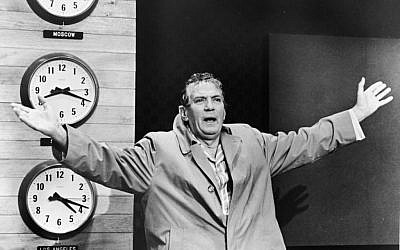
Remember Howard Beale? As played by actor Peter Finch in the 1976 Oscar-winning film Network, Beale was a TV news anchor who, incensed by the cynical dumbing down of his newscast and public apathy all around him, broke from script one evening and erupted, “I’m mad as hell and not going to take this anymore!”
Cajoled by his manic outrage, Beale’s viewers picked up the rallying cry and soon people across New York were shouting the “Mad as Hell” anthem out their windows and in the streets. Beale’s ratings soared and he was dubbed the “mad prophet of the airwaves” for his nightly rants.
Fifty years later, Americans are still filled with “how-dare-they!” indignation about anything and everything. But instead of just repeating a slogan in solidarity – or writing a letter to the editor or calling up talk radio as in the quaint old days – today’s grudgeniks are increasingly turning to violence, many uploading their anger to a firearm and killing innocents in the name of their cause.
An Ivy League graduate furious at insurers for their “deny, depose, defend” tactics, fatally shoots the CEO of the nation’s largest healthcare insurer. An “activist” opposed to Israel’s war against Hamas murders two young Israeli embassy staffers in the name of “Free Palestine.” A troubled casino worker who blames the National Football League for his mental health challenges uses an assault rifle to blast his way into the Manhattan office building housing the league’s headquarters, killing four. An evangelical Christian in Minnesota who reportedly opposes abortion, stalks and shoots a pair of elected officials and their spouses, killing the state’s top Democrat and her husband. Then a man who believed Covid vaccines were dangerous, fires off 200 rounds on the campus of the Centers for Disease Control in Atlanta, killing a police officer.
Sadly, we’ve long been accustomed to psychopathic killers directing their animus to specific groups – Jews, blacks, gays, ex-lovers, classmates, fellow workers. But the recent spree of homicides seems driven more by political and ideological umbrage. They’re mad as hell and will take out anyone they think is at fault for their personal protest, even if it means civilians are hit in the crossfire.
Some criminologists are labeling these attacks “grievance killings” as they stem from some inner psychic wound. I would classify them as deranged vigilantism since the perps believe they are delivering a societal benefit with their lawless actions. They’re not haters, they would argue, but soothsayers and social justice warriors.
Consider the defiant manifesto of United Health Care shooter Luigi Mangione, who hoped his ambush would incite headlines and expose the insurance industry for the way it “extracts human life force for money.” Ditto for Elias Rodriguez, who upon being arrested for executing the two Israeli embassy workers in Washington (Yaron Lischinsky and Sarah Milgrim), freely admitted “I did it for Gaza.” Perversely, their assaults have turned them into folk heroes – Mangione has even inspired a line of merch, indicating someone is profiting from today’s mad prophets.
How much is social media to blame? Certainly everyone with an X or Instagram account now fronts their own “network.” Social channels are full of bloviating Howard Beales, stirring righteous wrath across the viewpoint spectrum, often while sitting in their cars or dabbing make-up. In a study of 43,000 subjects published earlier this year, the Journal of American Medical Association reported that frequent engagement with social posts – especially “political discussion” – resulted in higher rates of irritability and “being prone to anger.”
If only a fraction of unstable viewers are triggered by the incendiary memes, tropes and videos streaming from their phones and laptops, that portends a lot of harm to come, especially as resentments are cheered on by fellow travelers. As Northwestern University professor James Alan Fox told CBS News recently, “If someone has a grudge….they can find other people online who will support them, who confirm their ideology.” Unfortunately, you can’t prosecute algorithms.
At the end of Network our anti-hero is gunned down in an on-air execution by a Maoist hit squad hired by Beale’s corporate bosses – not because of his ravings but because his ratings have fallen off. It’s absurdist satire, of course, but reveals a truth about those caught up in dire conspiracies while preaching so-called truth-to-power: they often just destroy themselves.
Allan Ripp runs a press relations firm in New York.