Mainstream Media’s Boast versus Democracy and Iran
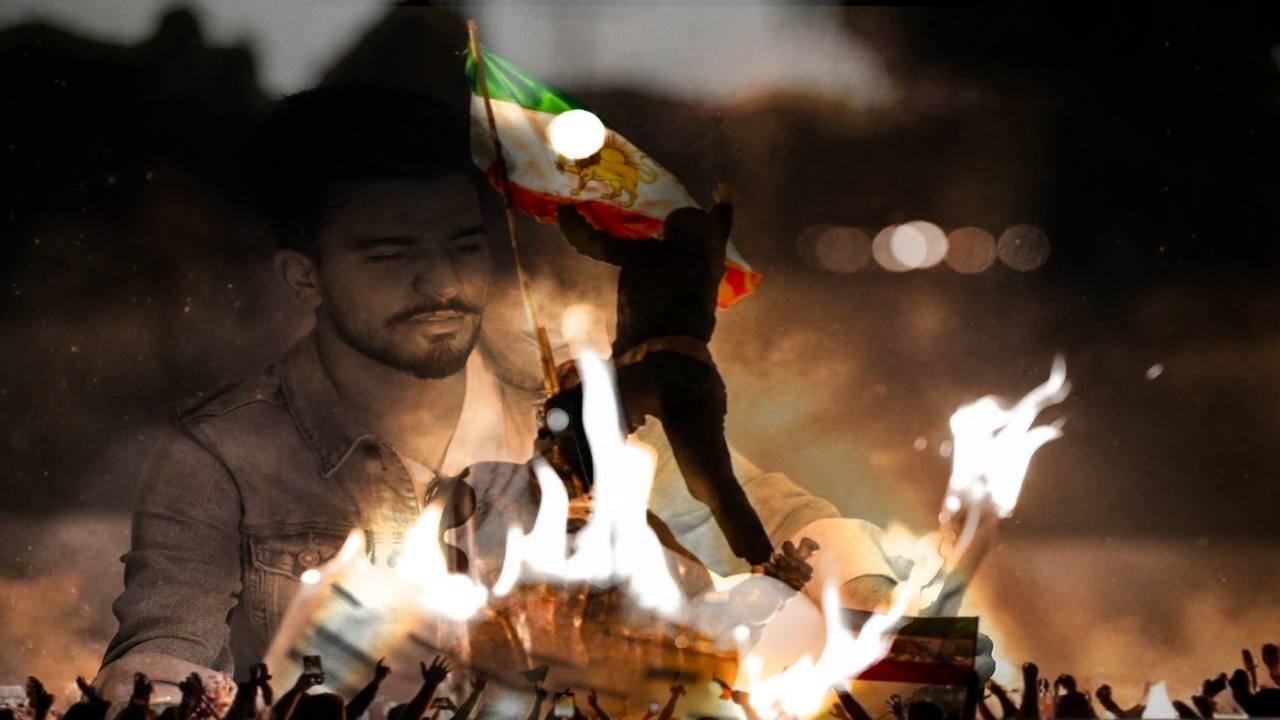
In the shadowed corridors of global power, a quiet revolution is happening, not one fought with guns or bullets, but with silence and selective outrage. For over 12 agonizing days in late 2025 and early 2026, the streets of Iran erupted in protests against the Islamic regime of Ali Khamenei, with citizens risking their lives to demand freedom, justice, and an end to decades of oppression. Yet, the world’s leading left-leaning media outlets remained eerily mute. This wasn’t mere oversight; it was a tacit, granting Khamenei a license for quiet genocide. As reports trickled in of security forces deploying tear gas, machine guns, live ammunitions, mass arrests and executions, these media giants focused instead on usual stuff. The question arises: How have progressive media, once champions of the oppressed, become anti-democratic forces? To the extent some arguing they are accomplices of Ayatollah!
This shift isn’t accidental. It stems from a broader agenda driven by left-globalists who envision a world order where dissent is managed, not celebrated. Free media has long been a pillar of democracy, as enshrined in documents like the US First Amendment and the Universal Declaration of Human Rights. But in the West, this pillar is crumbling. The Iranian revolution of 2025-2026 expose a stark reality: when media outlets align with ideological agendas over truth, democracy erodes. By ignoring Iran’s cries, these outlets aren’t just failing journalism; they’re complicit in suppressing voices that challenge their worldview.
Flash back to 1979, when the Iranian Revolution unfolded. Western media, particularly left-leaning ones, idealized Ayatollah Ruhollah Khomeini as a liberator from the “tyrannical” Shah Mohammad Reza Pahlavi. Main Stream Media portrayed Khomeini as a populist hero fighting imperialism, downplaying his fundamentalism. Time magazine even named him “Man of the Year” in 1979, framing the revolution as a triumph of the people. This coverage helped propel Khomeini to power, paving the way for the Islamic Republic’s theocracy. Fast-forward to today: as Crown Prince Reza Pahlavi emerges as a beacon for Iran’s prodemocracy movement, the same media machine turns venomous. Articles in Time and other outlets compare Pahlavi to Khomeini, labelling him a “populist” or an “exile opportunist.” Why? Because Pahlavi represents a return to secular democracy, a system that doesn’t fit the globalist narrative of managed multiculturalism and centralized control.
This pattern also reveals a deeper tactic: Whenever left globalists find themselves in the political minority, they weaponize the term “populist” to delegitimize winners. Recall Donald Trump’s 2016 victory. Mainstream Media branded him a “dangerous populist” stoking “hate.” The label stuck, framing his policies as threats to democracy rather than responses to voters’ will. Now, it’s Pahlavi’s turn. As Iranians chanting “Javid Shah” or “This is our last battle, Pahlavi will return”, evoking his 47 years of battle against the regime, media outlets dismiss him as a relic. But this isn’t about facts; it’s about control. Pahlavi’s vision of a secular democratic Iran challenges the left’s alliances in the Middle East and globally, where regimes like Iran’s fund proxy wars that align with their anti-Western sentiments.
The historical lies about the Shah are particularly horrendous. In the 1970s, media painted him as a brutal dictator, amplifying tales of SAVAK torture and economic inequality while ignoring his reforms: women’s rights, literacy rates soaring from 15% to over 50%, and modernization that lifted millions. Jimmy Carter’s administration, influenced by such narratives, withdrew support, accelerating the revolution. Yet history vindicates the Shah. Iran’s economy boomed under him, with GDP growth averaging 11% annually in the 1960s and 1970s. Post-revolution, it’s stagnated under sanctions and corruption. Iranians today, spilling their blood in protests, prove the media wrong. From Mahsa Amini’s death in 2022 to the 2026 revolution, millions demand fall of the regime and Pahlavi’s return. “The people of Iran have spoken with their blood,” as one Tehran protester told underground reporters. The media’s old lies crumble under this truth.
The double standards of left-leaning media are glaring. They champion Hamas as “resistance fighters” despite its terrorist designation, with outlets like Al Jazeera (echoed by Western progressives) framing October 7, 2023, attacks as “uprising”. Greta Thunberg sailed to Israel in 2025 for protests, amplifying Palestinian causes. Yet, on Iran, silence reigns. Thunberg hasn’t boarded a ship laden with Starlink terminals to aid protesters evading internet blackouts. Why? Iran’s regime, despite its brutality, aligns with anti-Israel alliance that appeal to certain left ideologies. This hypocrisy unmasks a collaboration between left-globalists and terrorist regime in Iran and the broader Middle East. From Hezbollah to Houthis, these groups receive Iranian backing, yet media downplays it while amplifying Gaza narratives.
Worth mentioning it is not limited to legacy media but also social media. From mass reporting to suspension of X accounts who write against the regime, all the way to shadow banning on Instagram, Facebook, etc.
This alliance isn’t new. Globalists push for a “rules-based international order” that centralizes power in bodies like the UN, where vetoes protect autocrats. Free media threatens this by exposing inconsistencies. In the West, outlets increasingly self-censor on issues like migration or climate dissent, labelling critics “far-right”. Iran’s case is a proof: if media ignores genocide-scale repressions which estimates suggest over 20,000 killed in two days alone, with thousands more expected, democracy’s foundations crack.
The antidote? Recommit to journalistic integrity. Demand coverage of Iran’s plight. Support independent voices like those on X (formerly Twitter), where unfiltered videos of protests circulate. Governments need isolate the regime economically and diplomatically. Recognize Pahlavi, embargo the oil, and amplify the people’s voice.
Nations should heed this call. There’s no path forward but to recognize the Iranian people’s will: the overthrow of the Islamic Republic and formal acknowledgment of Crown Prince Reza Pahlavi as the legitimate heir to leadership. The US, under a potential new administration, could lead by designating Pahlavi’s movement as Iran’s government-in-exile. Europe and allies must follow. Ignoring this, risks encouraging tyrants worldwide.
Compounding this is the oil hypocrisy. Iran’s regime funds its repression through smuggled oil, evading sanctions via ghost tankers. Countries in the free world must cease buying this crude oil, given it caused bloodshed not only in Iran but also in several other countries. Reports from the United Against Nuclear Iran coalition estimate Tehran earns $80 billion annually from illicit sales, much to China but also Europe. Britain’s and the EU’s reluctance to proscribe IRGC, are damning. In 2025, the UK imported refined products indirectly linked to Iranian oil, per shipping data. The main question we should ask isn’t this a false economy? Because from 1979 and export of terrorism, Western countries spent trillions on war against terror! This isn’t trade; it’s also complicity in murder. The time has come to dismantle this modern Berlin Wall, the barrier of apathy and profit shielding dictators. Sanctions must tighten, with AI-tracked shipping to plug leaks and IRGC to be proscribed immediately as European Parliament President Roberta Metsola said recently.
In the end, Iran’s struggle is democracy’s mirror. The left media’s anti-democratic turn, from 1979 complicity to 2026 silence, warns of a world where globalists flatten nations into a dictatorial uniformity. But as Berlin’s wall fell, so can Tehran’s. The free world must act, or risk its own freedoms slipping away. Given the courageous Iranians, the good will defeat evil and light will prevail over darkness.