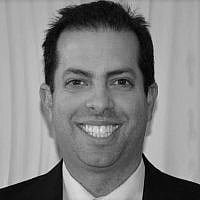
Mark Wilf: “Rebuilding Israel Is About Healing People — Not Just Places”
This past week, at the American Zionist Movement’s Biennial National Assembly, I sat down with Mark Wilf, Chairman of the Board of Governors of The Jewish Agency , for a conversation shaped by grief, responsibility, and resolve.
For Wilf, October 7 was not only an attack on Israel — it was an attack on Jewish stability itself.
“This moment shattered a sense of safety that Israelis had lived with for decades,” Wilf said.
“Rebuilding means restoring trust, routine, and hope.”
Rebuilding Starts With Trauma Care
Wilf was clear: before rebuilding homes, Israel must help people heal.
“You cannot rebuild a country if people are traumatized,” he said.
“Trauma doesn’t disappear when the headlines fade.”
Since October 7, the Jewish Agency for Israel has prioritized trauma response — especially for displaced families, children, and first responders.
“Entire communities were uprooted overnight,” Wilf said.
“Children were pulled out of their homes, schools disappeared, parents lost jobs — that kind of disruption leaves scars.”
The Agency has supported mental health services, emergency counseling, and community-based healing programs.
“Trauma care is not a one-time intervention,” Wilf emphasized.
“It’s long-term work.”
Helping Israelis Rebuild Daily Life
Beyond psychological care, the Jewish Agency has helped Israelis regain a sense of normalcy.
“People need routine to heal,” Wilf said.
“They need school, work, community.”
He described efforts to support evacuees from the south and north — helping families settle temporarily while planning for long-term return.
“You’re not just finding housing,” Wilf said.
“You’re helping people rebuild daily life from scratch.”
That includes educational support, employment assistance, and rebuilding community frameworks.
“Rebuilding is not about concrete alone,” Wilf said.
“It’s about dignity.”
Antisemitism Is Rising — and It’s Personal
Wilf did not shy away from the surge in antisemitism following October 7, particularly in the United States and Europe.
“Antisemitism today is more open, more aggressive, and more socially acceptable than we’ve seen in decades,” he said.
“It’s no longer whispered — it’s shouted.”
He expressed deep concern for Jews being targeted simply for their identity.
“No Jew should have to hide who they are,” Wilf said.
“Not in New York. Not on campus. Not anywhere.”
For Wilf, the fight against antisemitism is inseparable from Jewish resilience.
“When antisemitism rises, Jewish identity must rise with it,” he said.
“Silence has never protected us.”
Why Institutions Still Matter
In confronting antisemitism and rebuilding Israel, Wilf emphasized the indispensable role of traditional Jewish institutions.
“Institutions exist because they’ve carried the Jewish people through crisis before,” he said.
“They provide stability when the ground feels unsteady.”
Organizations like the Jewish Agency, federations, and global movements offer scale, credibility, and infrastructure.
“When crisis hits, institutions can mobilize instantly,” Wilf said.
“They know how to operate under pressure.”
But he was equally clear that institutions cannot stand still.
“We cannot respond to 21st-century challenges with 20th-century models,” he said.
Why Startups and New Models Are Essential
Alongside legacy institutions, Wilf stressed the growing importance of startups, grassroots initiatives, and tech-driven organizations.
“Startups move faster,” Wilf said.
“They meet people where they are — especially young Jews.”
These newer models, he said, often reach audiences institutions struggle to engage.
“Innovation isn’t a threat to tradition,” Wilf said.
“It’s how tradition survives.”
He described the Jewish Agency’s evolving role as a connector rather than a gatekeeper.
“Our job is to build bridges,” he said.
“Between experience and experimentation.”
A Shared Responsibility in a New Age
Wilf rejected the idea of competition between institutions and startups.
“This is not legacy versus innovation,” he said.
“It’s legacy and innovation.”
The post–October 7 Jewish world, he argued, demands collaboration.
“Antisemitism is moving too fast,” Wilf said.
“Trauma is too deep. The stakes are too high.”
And so:
“We need everyone — institutions, startups, educators, activists — pulling in the same direction.”
Healing Is a Jewish Mission
As the conversation ended, Wilf returned to the human core of the crisis.
“Rebuilding Israel is not just a government responsibility,” he said.
“It’s a peoplehood responsibility.”
His final words were quiet — and resolute.
“We will rebuild,” Wilf said.
“But we will rebuild with care, with patience, and with compassion.”
In a moment when Israel is asked once again to endure, Wilf’s message is unmistakable:
Healing, unity, and innovation are not optional.
They are the path forward.