
Martin Luther King Jr. stood with the Jews—and with Israel
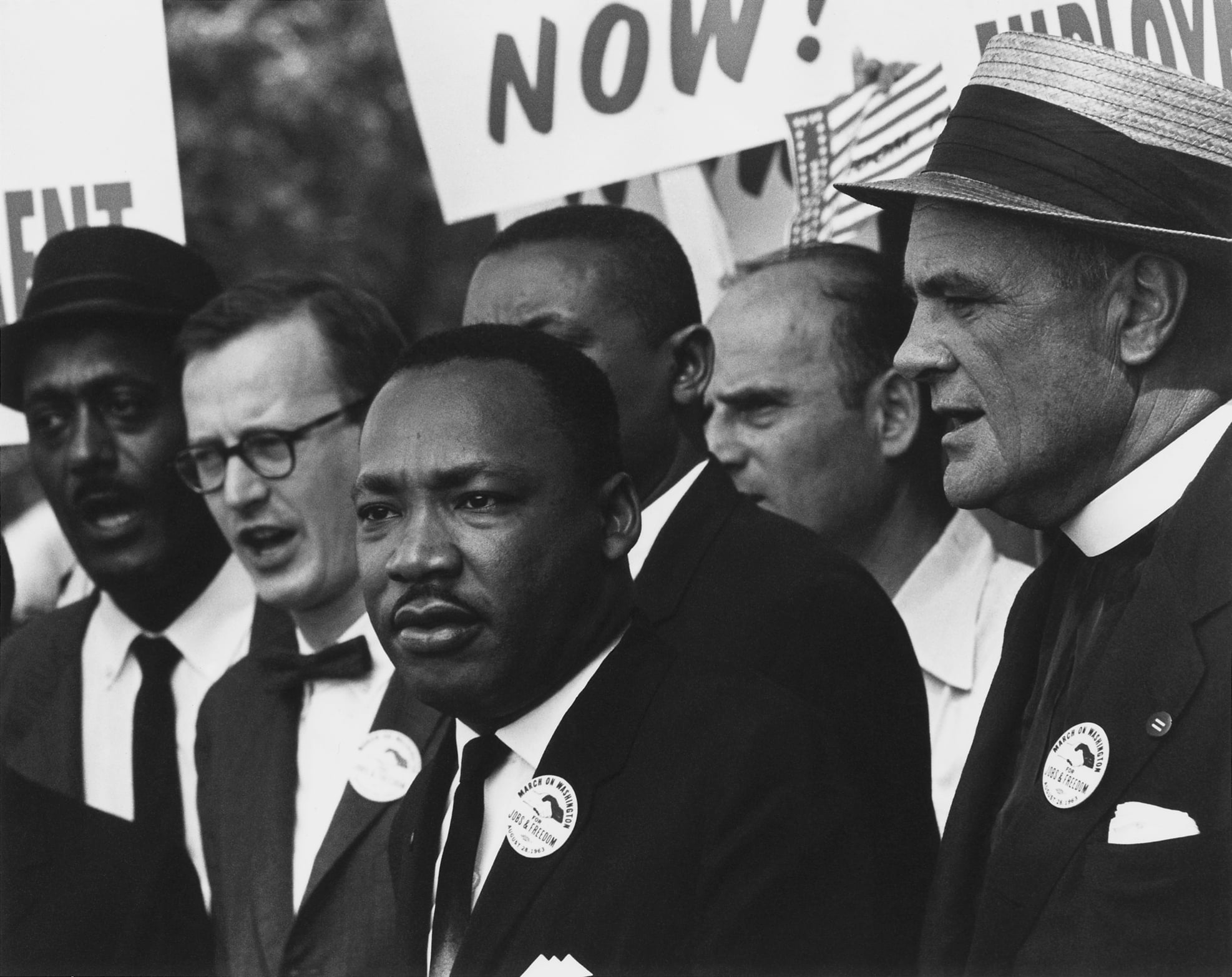
His civil rights legacy included a deep partnership with American Jews—and principled support for Israel
As America marks the birthday of Martin Luther King Jr., his legacy is rightly celebrated as a moral turning point in American history. Yet one essential part of that legacy is often overlooked or quietly edited out: the deep, principled partnership between King and the American Jewish community—and his clear, unapologetic support for Israel.
This partnership was not symbolic. It was lived.
American Jews did not merely endorse the civil rights movement from a safe distance. Rabbis, students, and activists marched with King in the South. They were jailed alongside Black Americans. They crossed the Edmund Pettus Bridge in Selma. Some paid the ultimate price. The murders of civil rights workers Andrew Goodman and Michael Schwerner—both Jewish—alongside James Chaney were a grim reminder that this alliance was forged in danger, not rhetoric.
King understood that Jewish involvement was not accidental. He saw it as rooted in shared historical memory. Jews knew, from centuries of persecution, what it meant to be marginalized and dehumanized. That moral awareness mattered to King. He spoke openly about the bond between the Black and Jewish experiences, grounded in a common struggle for justice and dignity.
That bond extended beyond America.
King’s support for Israel was not an afterthought or a political calculation. It flowed naturally from his worldview. In the aftermath of the Holocaust, he saw Jewish self-determination as a moral necessity and Israel as the legitimate expression of that right. “Peace for Israel means security,” he said, insisting that peace could not exist without recognition and safety for the Jewish state.
Just as important, King was unambiguous in condemning antisemitism—including when it appeared in fashionable or ideological disguises. He rejected the idea that hostility toward Jews became acceptable when repackaged as political critique. For King, injustice did not become justice simply because it adopted new language.
That clarity is especially relevant today when King is often invoked selectively. His words are quoted, but his convictions are trimmed to fit modern narratives. The reality is less convenient. King believed in justice without double standards. He supported liberation movements without denying another people’s right to exist.
He also understood something that is frequently forgotten: genuine alliances are built on shared values, not shared resentments. His partnership with Jews endured because it was anchored in principle, moral discipline, and mutual respect—even when disagreements arose.
As we honor King’s birthday, remembering this history is not about nostalgia. It is about honesty. King did not ask Jews to abandon their identity or their connection to Israel to earn a place in the struggle for justice. He respected both—and Jews stood with him in return, in marches, in jail cells, and, in some cases, in graves.
That is the Martin Luther King Jr. worth remembering.