Host, Echoes of Jewish History Podcast
Featured Post
Mimouna, when Jews and Arabs celebrate together
The end-of-Passover fete reflects a cultural symbiosis unique to Morocco,
where Jews were more welcome than elsewhere
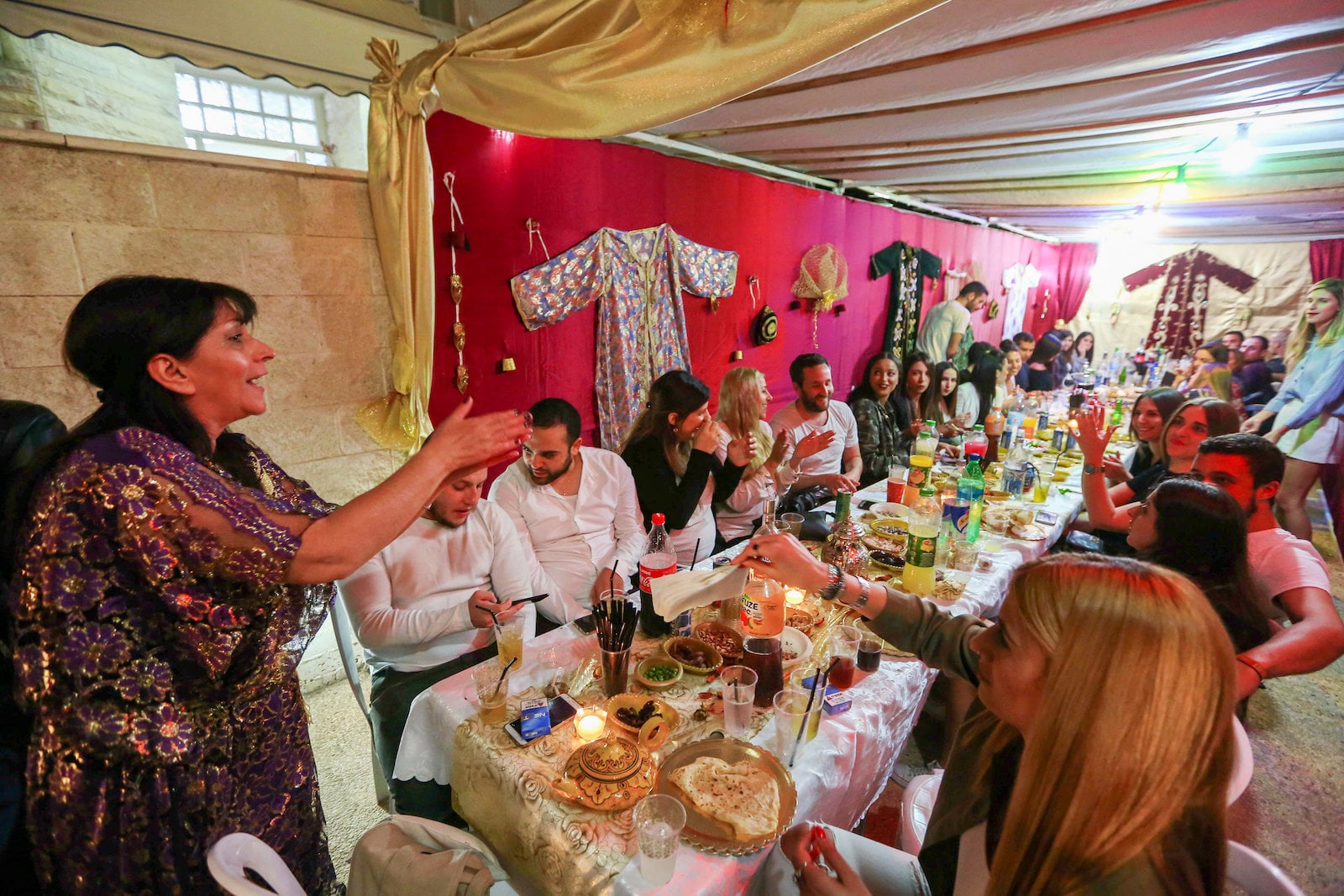
Israelis at a Mimuna celebrations in the city of Beit Shemesh on April 7, 2018. (Yaakov Lederman/Flash90)
The history of Mimouna, the festival that traditionally marks the end of Passover for the Jews of Morocco, is unknown. It appears to have no clear basis in classic Jewish sources.
According to one theory, Mimouna marks the anniversary of the death of Maimon ben Joseph, the father of the pre-eminent medieval Sephardi philosopher, Torah scholar and physician, Moshe ben Maimon, otherwise known as the Rambam. Others contend that Mimouna can be traced etymologically to “ma’amoun,” the Arabic word for wealth and fortune. Some connect Mimouna to the Hebrew word “emuna,” (faith in God).
Meanwhile, the Rambam himself offered the explanation that the word Mimouna is an adaptation of the Hebrew declaration “ani ma’amin,” a traditional expression of faith that God will send the Messiah to redeem us. According to this interpretation, the Arabic pronoun, in this case “ana” instead of “ani,” follows the verb “ma’amin,” to form the word Mimouna (or “ma’amin ana”).
But regardless of the elusive origins of Mimouna, one thing that remains certain is that there is a dialectic that connects the Jews of Morocco to their Arab neighbors. Mimouna offers a window into a distant yet re-emerging cultural symbiosis that once existed between Jews and Arabs in Morocco.
To be clear, at no point in history was Morocco an “interfaith utopia.” The Jewish community of Morocco had a dizzying variety of contradictory experiences over time, ranging from violent persecution to full equality. Even so, the extent of Jewish integration into Moroccan society is an impressive achievement that speaks to the fact that Morocco historically viewed its Jews as an influential part of Moroccan identity and that its Jews have viewed their identity as very much Moroccan.
“There are no Jews in Morocco. There are only Moroccan subjects.” This legendary statement, attributed to Mohammed V, king of Morocco from 1957 to 1961, became a catchphrase for coexistence between Jews and Arabs. Indeed, contemporary discourse concerning Jewish-Moroccan identity usually does not deviate from this rosy narrative. In a region plagued by intolerance and instability, Morocco was relatively more open and tolerant toward Jews, and Jews were openly proud to be part of Moroccan society.
In Morocco, Mimouna presented a time and space for both Jews and Arabs to celebrate the cultural links that united them. For a period extending over 700 years, the Iberian Peninsula saw fascinating intercultural contacts where Jews and Arabs interacted and interfused with each other to eventually mold a unique Judeo-Arabic culture.
By the end of the Reconquista (718-1492), Islamic rule over the peninsula came to an end, and Jews (and Muslims) were eventually confronted by less hospitable Catholic rulers who sought religious uniformity. The infamous Alhambra Decree, issued on March 31, 1492, marked the beginning of the end of over 2,000 years of Jewish history in the peninsula. Jewish history, however, is much older in Morocco, where Jews constitute an ancient community that first arrived as early as 70 CE.
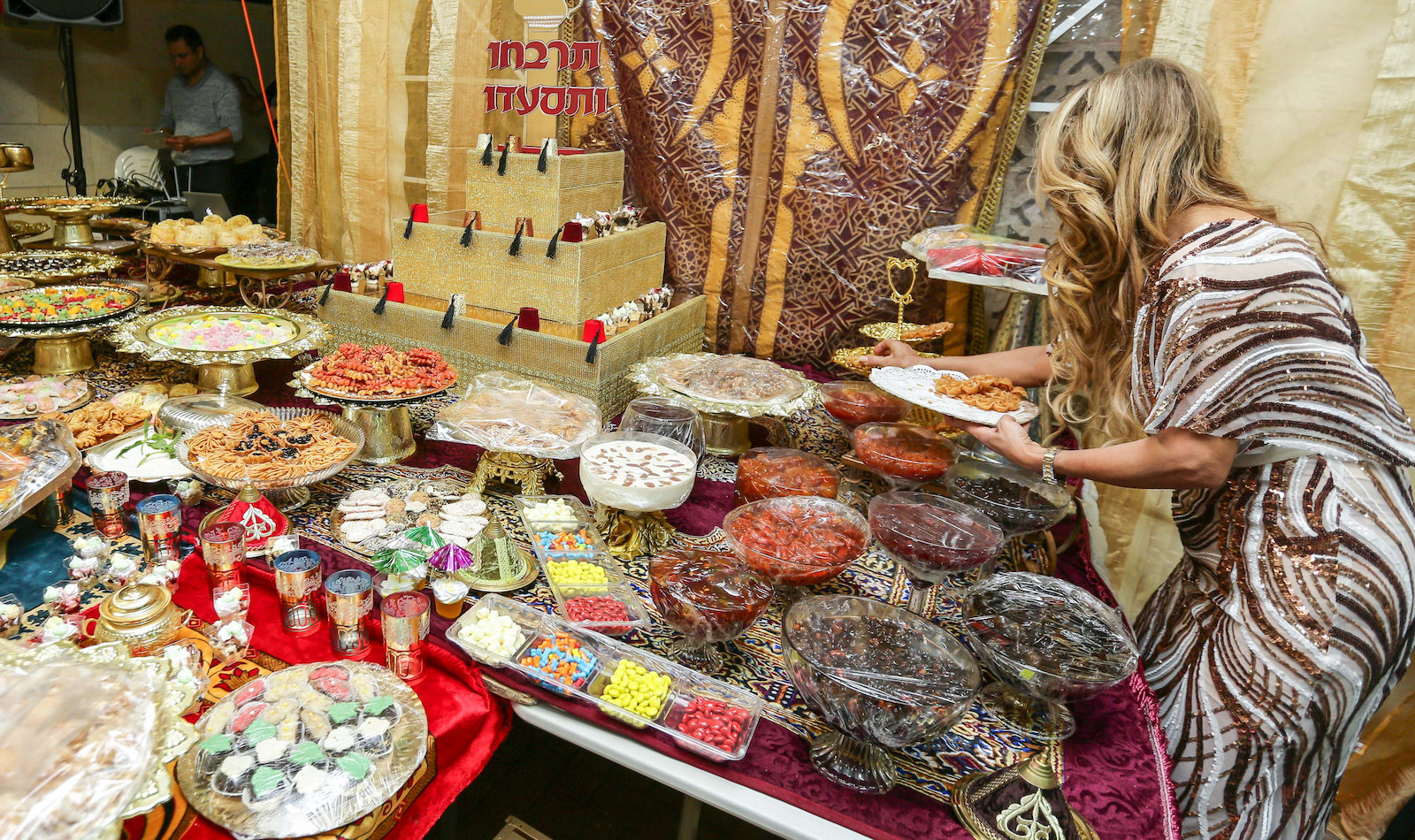
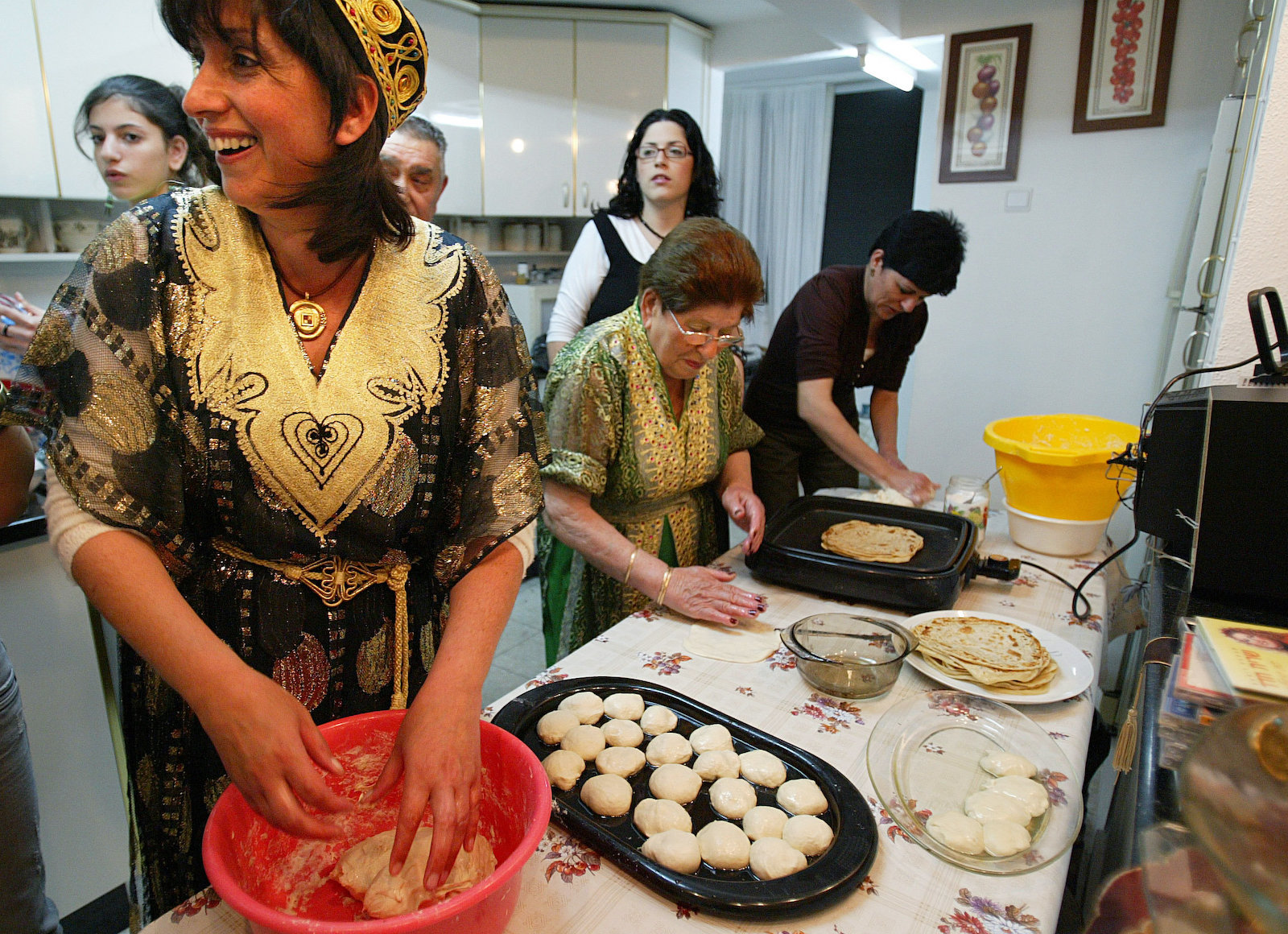
In Morocco, one of the destinations Jews fled to from Spain, this unique Judeo-Arabic culture was maintained, as was the use of the Spanish language. Moreover, Jews embraced the culture of their Moroccan hosts, developing a distinct Jewish Spanish-Moroccan culture. Arabic secular imagery, some of it pre-Islamic, found its way into Jewish liturgy, and, like most Jewish dishes formed in post-rabbinic times, Jewish-Moroccan cuisine reflects the intense cultural contact between Jews and the non-Jewish majority of Morocco.
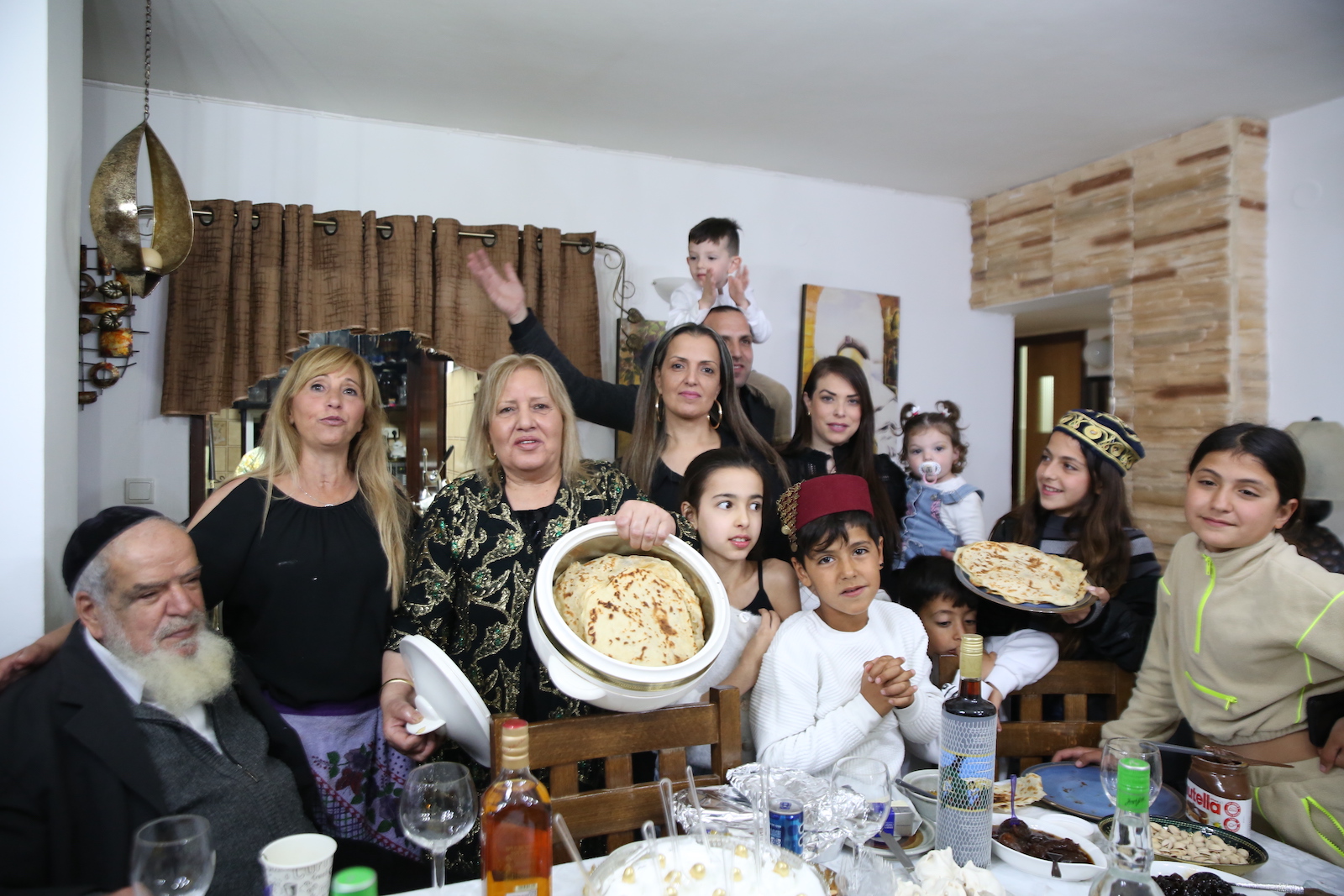
At the annual Mimouna celebration, Jews opened their homes to both Jew and Arab alike, to socialize in an atmosphere of friendship and coexistence. Through food, costume, music, and liturgy, the two religious communities celebrated the cultural symbioses they had developed. This year, as we mark the end of Passover, let us all celebrate the rich and deeply synthesized tradition of Mimouna, and its message of coexistence and mutual respect.
Related Posts