What does Yom Kippur teach about regret?
Every one of us carries a memory that pulls us backward. Yom Kippur doesn’t ask us to erase it — it teaches us how to transform it into the beginning of our becoming.
There is a truth we rarely say out loud during the High Holidays, yet nearly every one of us carries it quietly: We all have a moment we wish we could go back and change. A word spoken too sharply. A silence held too long. A decision we wish we had made differently. A version of ourselves we wish we could rewrite. We rarely admit this, but it lives inside us — the ache of wanting to go back.
Psychology calls this retrospective clarity: the painful awareness that the person we were then did not have the tools, insight or emotional maturity we have now. Jewish tradition calls it teshuvah: the turning of the heart toward who we are meant to be.
Here is the truth worth saying plainly: Yom Kippur is not about going back. Yom Kippur is about ending the war with the past. We cannot go back. But we can go forward differently.
The Torah says, “You shall return to the Lord your God.” It does not say: “You shall return to the moment before the mistake” or “You shall return to the version of yourself you wish you had been.”
The Torah understands something psychology teaches, too: The return is forward, not backward. The return is internal, not historical. The return is about becoming, not undoing.
The Rambam teaches that teshuvah requires awareness, regret and a commitment to act differently in the future. Notice what he does not include: He does not ask you to erase the past. He does not ask you to become a time traveler. The sages understood human psychology long before psychology had a name. They knew that the desire to “go back” is a sign of growth — not a strategy for healing.
You cannot change the moment you spoke too sharply. You cannot change the moment you didn’t show up. You cannot change the moment you acted out of fear instead of courage. But you can change the person who carries those memories. That is the work of Yom Kippur.
And here is the part that surprises many: Forgiveness must come from you. Not because other people don’t matter, but because the deepest wounds — the ones that keep you awake at night — live inside you. Guilt, shame, the “if only,” the “I should have known better” — these are psychological burdens, not historical facts. Only you can release them.
The Talmud teaches, “Great is teshuvah, for it transforms intentional sins into merits.” When you grow, the past becomes part of your wisdom instead of part of your shame. The mistake becomes the teacher. The regret becomes the doorway.
So as Yom Kippur approaches, the question is not: Who were you? The question is: Who are you becoming? And that is the only question you can answer.
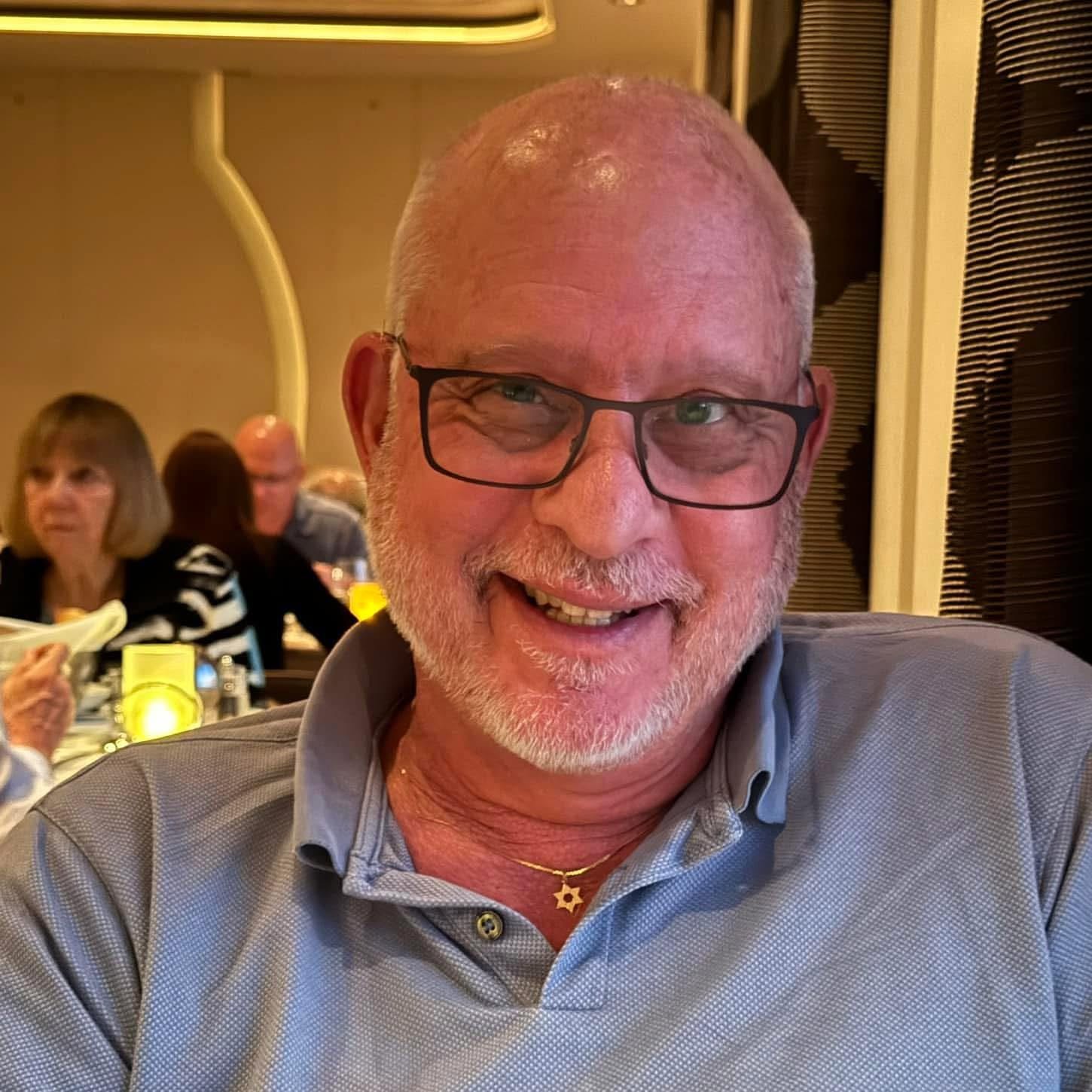
Gershon is a retired high technology professional, community educator, and nonprofit volunteer leader in Michigan. He writes about Torah, civic responsibility, and the intersection of Jewish life, ethics, and modern communal challenges.