
Highlight Nepal’s presence in the Global Context
Nepal & Its People: Standing for Peace
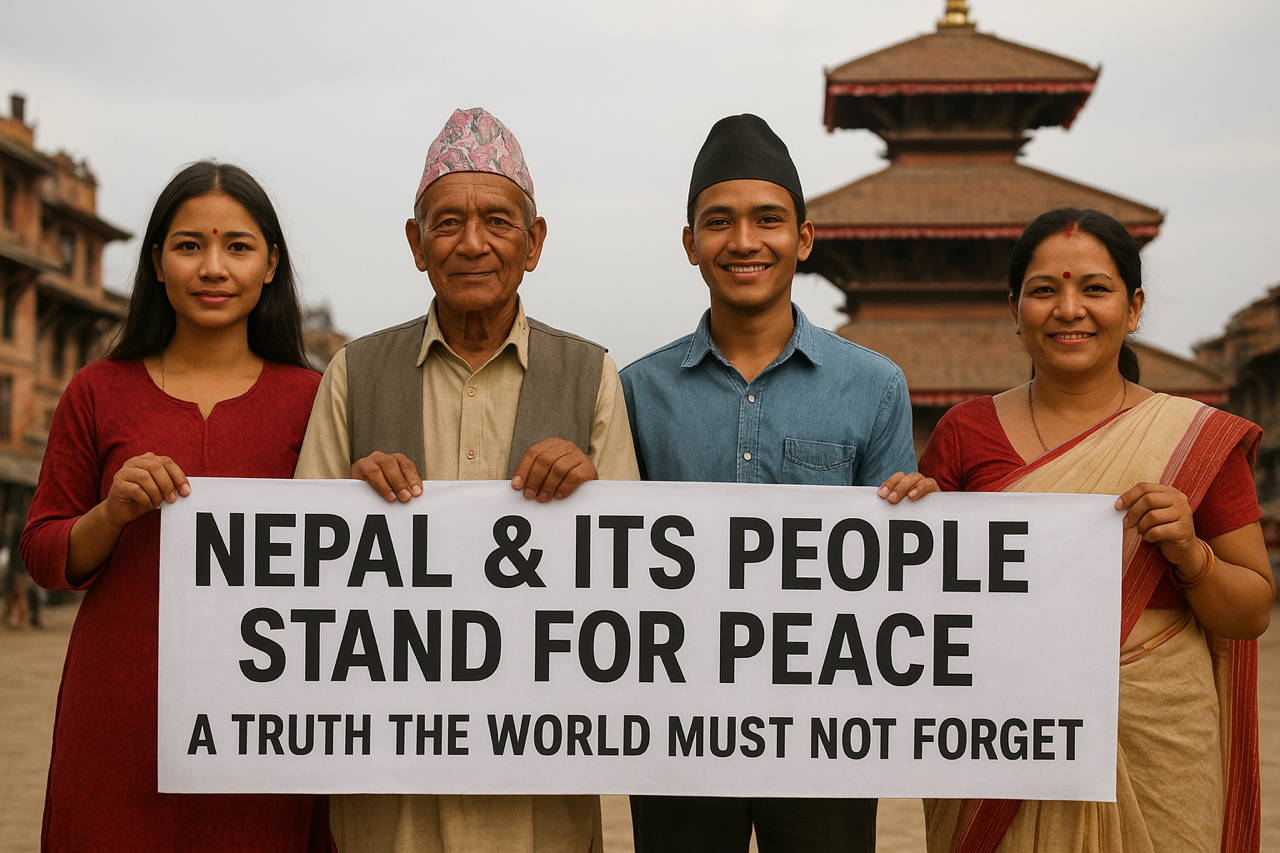
This photo was created using AI
On October 7, 2023, Hamas launched an unprecedented attack on Israel, shaking the politics of the Middle East and challenging global ideas of peace and security. Thousands of rockets, civilian casualties, and the kidnapping of innocents left Israel in shock and mourning. Among the victims of that tragic day were 17 Nepali students studying in southern Israel. Ten of them lost their lives, and one, Bipin Joshi, was taken by Hamas and remains in captivity.
Bipin’s story is not just a personal tragedy. It reflects the struggles and pain of the entire Nepali community. He was a son from a modest family, a hardworking student aiming for a brighter future. Instead, he became a victim of conflict that had nothing to do with him or his country. His captivity raises serious questions for the governments of Nepal, Israel, and Palestine, as well as the global community.
Israel’s Response: Treating Bipin as Their Own
Remarkably, Israel has prioritized Bipin’s release as if he were one of its own citizens. His name has consistently appeared on official lists of hostages presented to the international community. Israeli leaders have raised his case in diplomatic forums, urging world governments and institutions to seek his freedom.
Equally inspiring has been the support shown by ordinary Israelis. Demonstrations in Tel Aviv and Jerusalem echoed with chants of “Bring Bipin Home.” Citizens joined hands with Nepalis, expressing not just political support but a shared sense of humanity.
Among the most emotional gestures was Israel’s decision to bring Bipin’s mother and sister from Nepal to Israel for meetings with its President, Prime Minister, cabinet ministers, and members of parliament. For a grieving family from a small South Asian nation, this acknowledgment of their suffering was profoundly meaningful.
Nepal’s Historic Ties with Palestine
Nepal has long maintained a delicate balance in the Israeli-Palestinian conflict. On one hand, it shares strong diplomatic ties with Israel, where thousands of Nepalis work and study. On the other, Nepal has historically supported the Palestinian people’s right to self-determination and consistently voted at the United Nations for a two-state solution.
In the current context, Nepal naturally appealed to Israel for Bipin’s safe release. Yet Nepal also has a unique moral position to call on Palestinian leaders, including Hamas and other influential groups in Gaza, to release an innocent young man in the name of humanity.
Nepal is not a nation of war. It is a nation of peacekeepers, contributing significantly to UN peacekeeping missions worldwide. Our only demand is simple: protect human life, regardless of which side it belongs to.
The Nepali Community Abroad
The Nepali community in Israel viewed Bipin’s abduction as a personal wound. Community leaders, associations, and youth organized demonstrations, carrying banners that read “Free Bipin.” They marched alongside Israelis, raising their voices for justice.
Nepal’s embassy in Tel Aviv also played an active role. It helped facilitate meetings for Bipin’s family with high-level Israeli officials and amplified their voices on the international stage.
Frustration With Nepal’s Government
Back home, however, many Nepalis felt their government failed to act with urgency. Months passed without real progress. The response seemed slow and limited to formal statements instead of proactive diplomacy.
Diplomacy requires more than letters; it demands pressure, negotiations, and consistent engagement with allies and international partners. In this regard, the Nepali government has much to learn.
Lessons for Nepal
This tragedy offers important lessons that Nepal cannot afford to overlook:
1. The government must improve crisis management and act quickly when citizens’ lives are at risk.
2. Diplomatic relations should be more than symbolic; they must result in practical outcomes.
3. The rights and safety of migrant workers and students abroad should be a top national priority.
4. Nepal must strengthen pre-departure safety measures for workers and students heading to conflict-prone areas.
5. Relations with both Israel and Palestine should remain balanced but also action-oriented, serving Nepal’s citizens effectively.
A Symbol of Humanity
Bipin Joshi is not just one person. He has become a symbol of how a small nation remembers and protects its people. His captivity reminds us that conflicts often claim the lives of the innocent, well beyond the battlefields. Until Bipin returns home safely, Nepal’s struggle will remain unfinished.
As a peace-loving nation with friendships on both sides, Nepal plays a unique role in this conflict: not to take sides in war, but to stand firmly for humanity.
Israel, Palestine, and the international community must work together for Bipin’s release. This is not just about saving one young man; it is about reaffirming the truth that innocent lives should never be the price of politics.
Nepal and Nepalis have always stood for peace. The world must not forget this truth.
Related Topics