
Nepal May Have Forgotten October 7. I Cannot.
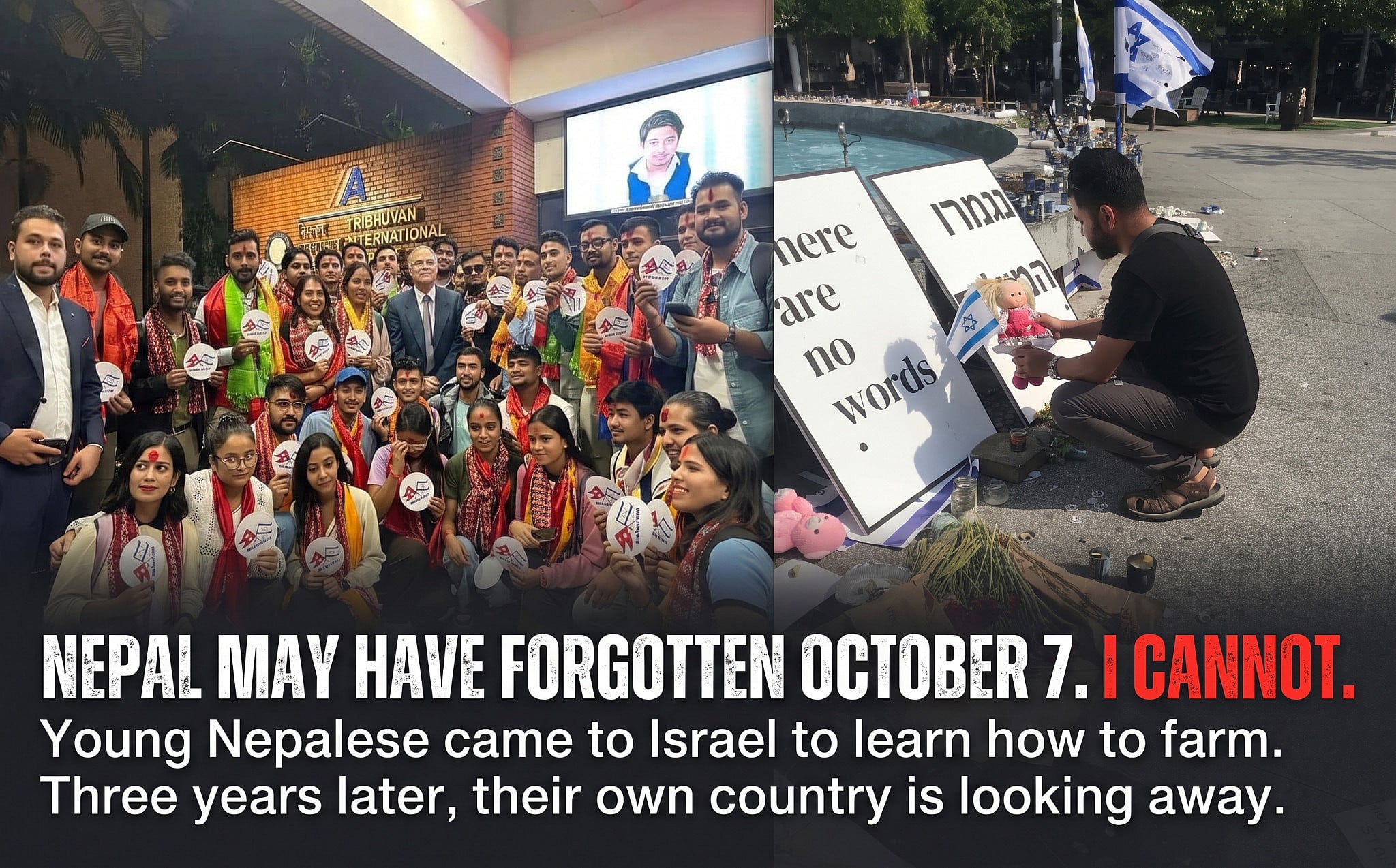
At 6:30 on the morning of October 7, 2023, the only thing on my mind was my luggage. I had spent a week in Jerusalem before going down to Tel Aviv on October 6. Because it was Shabbat and the buses were not running, I stood in line for a Sherut, one of the shared vans that run on the day of rest, to go back to my hostel in Jerusalem and collect the bags I had left behind.
Instead of a routine morning, the sky tore open.
Massive blasts rattled the streets. Red Alert sirens drowned out the quiet. Within minutes, our phones filled with news we could barely comprehend: Hamas had breached the border by land, sea, and air, and armed terrorists were storming communities across southern Israel. The Nova music festival had become a killing field.
I spent that day in a Tel Aviv bomb shelter, asking how one of the world’s most sophisticated defense and intelligence systems could have failed so completely. By mid-afternoon the shelter was suffocating. Graphic, unedited videos of people being slaughtered were circulating on WhatsApp. We sat there, helpless, watching the worst day in modern Israeli history unfold on our screens.
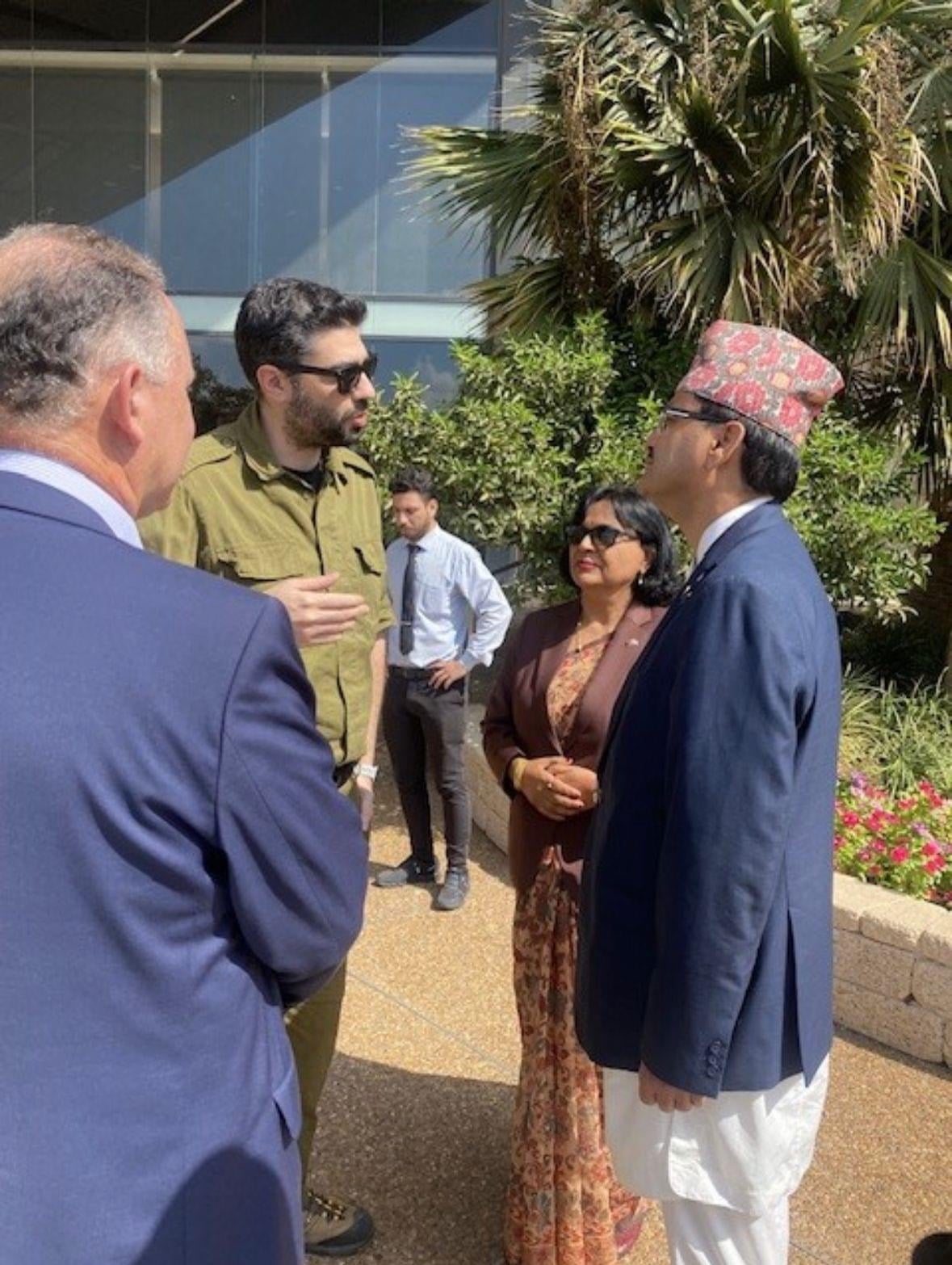
The same footage reached Nepal through television, YouTube, and social media, and panic spread. Families demanded that the government bring their children home. Nepal’s Ambassador to Israel, Kanta Rizal, with whom I was in constant contact, barely slept for days as he handled the pressure from home under wartime conditions. Then came an emergency evacuation: a chartered Nepal Airlines flight to carry our students home.
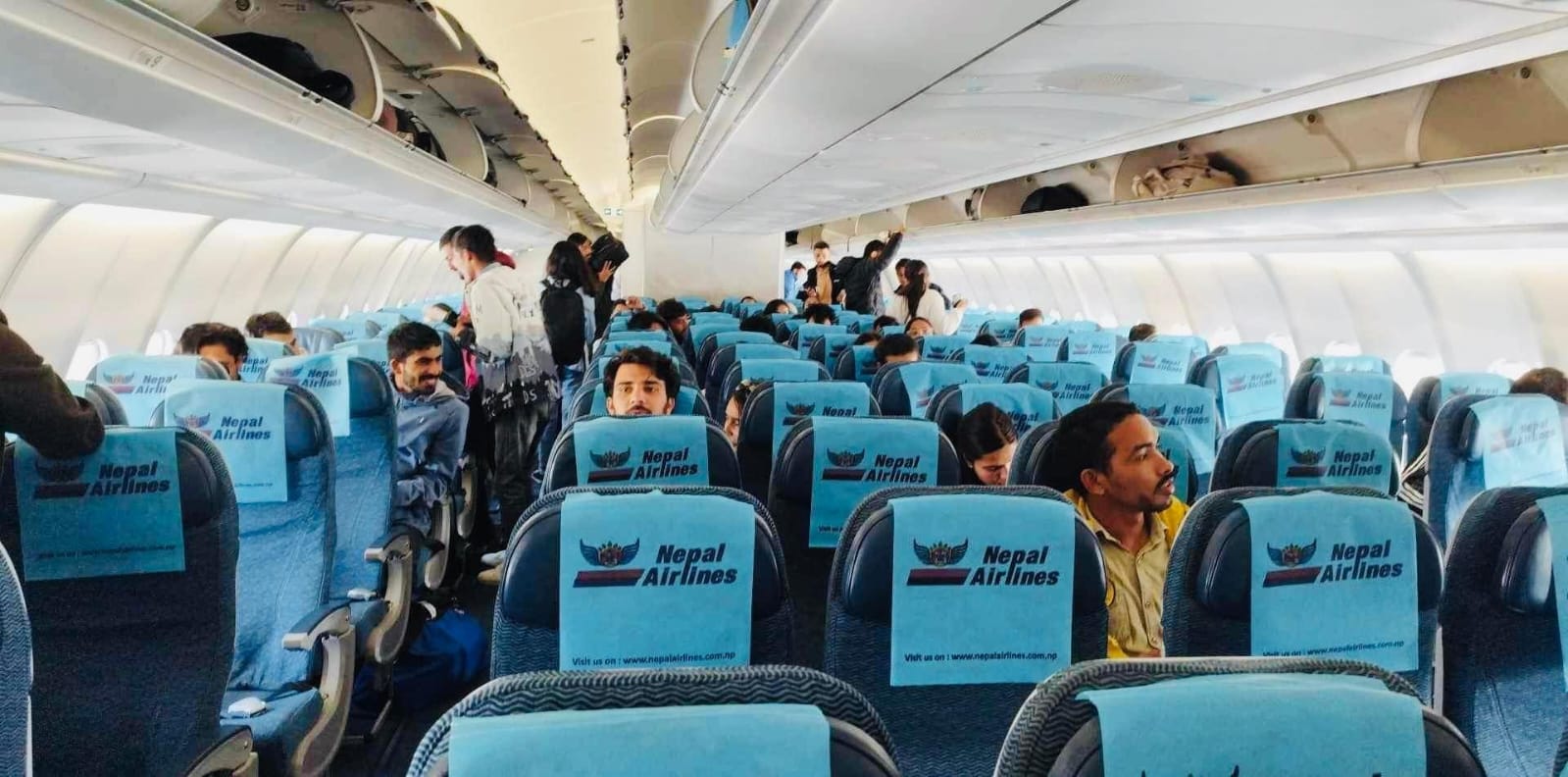
I went to Ben Gurion Airport to see it for myself. Inside the terminal, I watched Ambassador Rizal, Foreign Minister N.P. Saud, and officials of Nepal’s embassy in Israel as the students prepared to board. I have visited Israel ten or eleven times, and I had always watched Nepali workers and students go home with pride and hard-earned dignity.
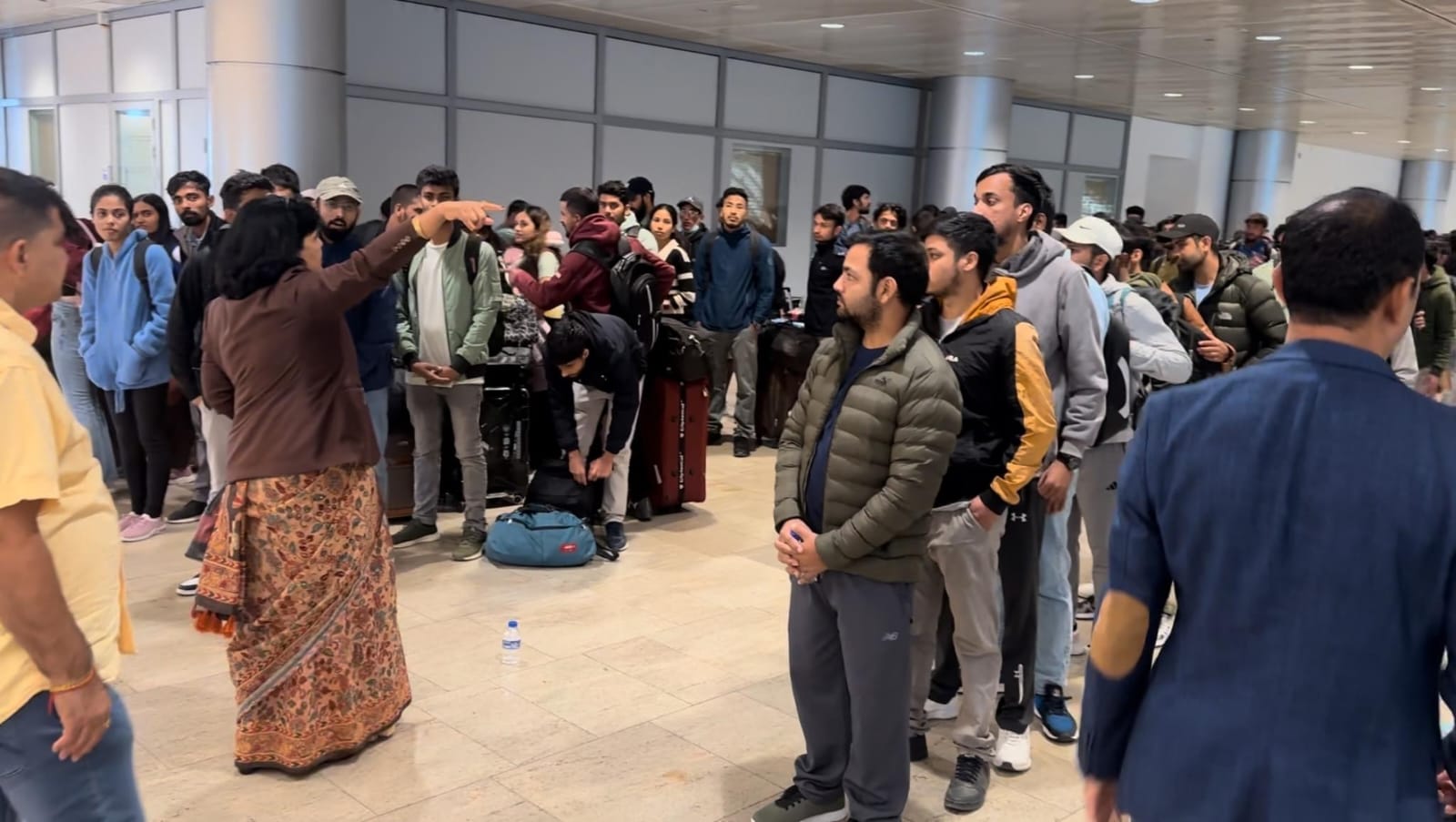
This departure broke my heart. The young people boarding that plane carried the same bags they had arrived with only weeks earlier, now heavy with trauma, terror, and tears. They begged to be taken home, their ambitions shattered before they had begun.
Eleven Dreams Stolen
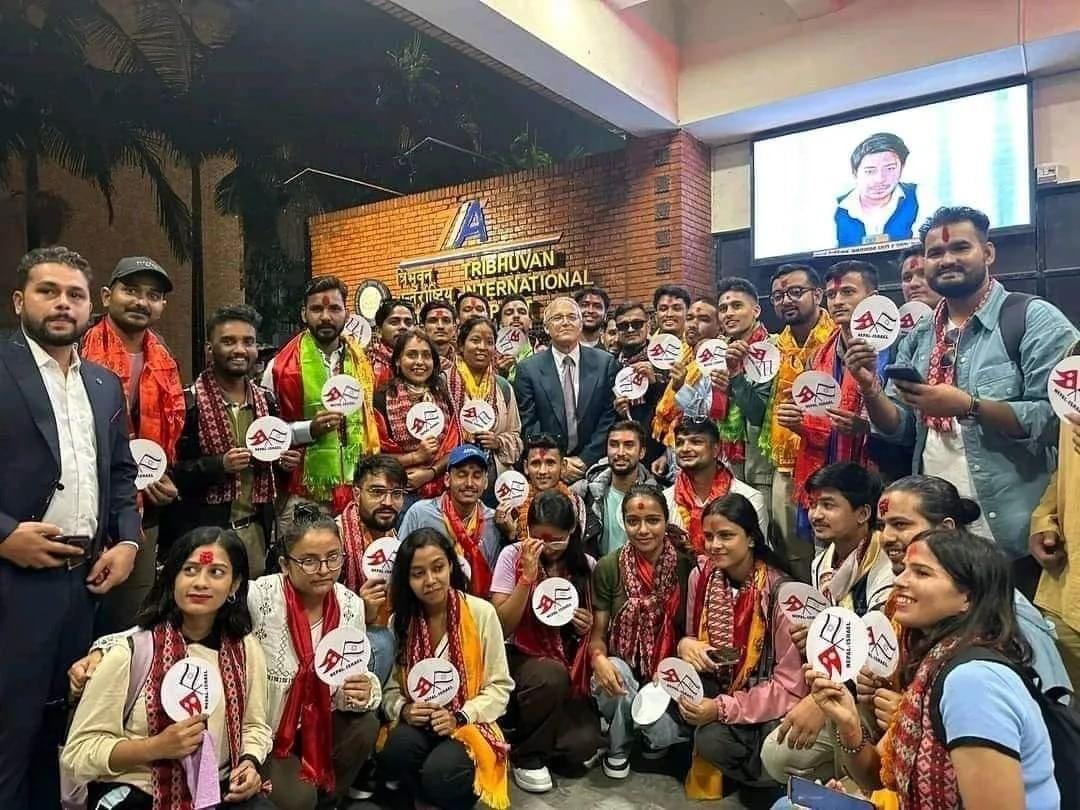
The agriculture students from Nepal’s Sudurpaschim University had landed in Israel on September 12 and 13. On the morning of October 7, they had been in the country for barely 25 days. They had come to learn, to work, and to build a better future for their families.
Ten of them were killed in the attack on Kibbutz Alumim. An eleventh, Bipin Joshi, was abducted to Gaza and later confirmed to have been murdered in captivity.
The Blood Cries Out from Alumim
When the rockets began that Saturday morning, the students ran to the safe room at Alumim. They had heard sirens before and tried to stay calm. Some even took a group selfie in the shelter and posted it to Facebook with a light-hearted caption: “Bunker Time.”
They did not know the bunker was about to become an execution chamber.
Hamas terrorists forced their way in and opened fire, killing two students immediately. They then threw two live grenades into the room.
In that moment, 23-year-old Bipin Joshi acted with extraordinary courage. He picked up one of the grenades and hurled it back out of the shelter. The second exploded inside, wounding several students with shrapnel. As smoke filled the room, others scrambled to hide elsewhere. Bipin stayed, trying to help his bleeding classmates.
Believing his last moments might be near, he wrote to his cousin in Nepal, “If something happens to me, you have to take care of my family. Be strong and always see the future.”
Soon after, a gunman ordered Bipin and three Thai workers out of the shelter at gunpoint. From their hiding place, the surviving students heard a Thai worker plead, “Thailand, Thailand.” The terrorist answered, “Run, run.”
That was the last time anyone saw Bipin alive.
For two years, his family clung to hope. On October 14, 2025, it ended: the Israel Defense Forces assessed that Bipin had been murdered in captivity, and his body was identified among those returned by Hamas. He had gone to Israel to learn how to nurture orchards. He came home to the foothills of the Himalayas in a coffin.
Eleven young men set out from Nepal with dreams of a better future. None of them came back alive.
A Silence at Home
A nation that lost eleven sons, one of them dragged into Gaza’s tunnels, should stand without ambiguity against those who killed them. Too often, Nepal has not.
When the traumatized survivors returned, and when Bipin’s body finally came home, our government offered grief but little moral clarity. At the United Nations, Nepal voted in favor of the October 27, 2023 General Assembly resolution calling for a humanitarian truce, a resolution that did not mention Hamas or the October 7 attack by name. An amendment to add that language failed to reach the required majority. Nepal has said it supports a two-state solution, and that is a position worth defending. But it is hard to speak of peace while staying silent about the group that murdered our own citizens.
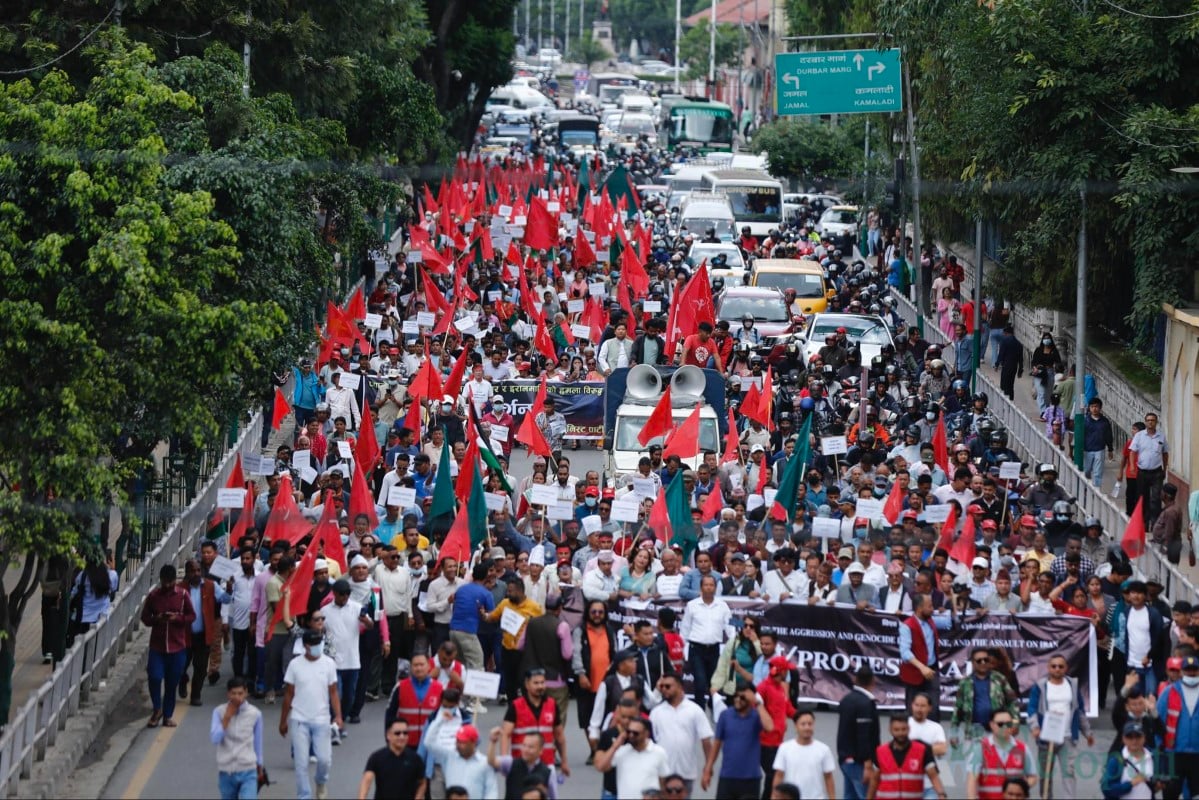
The silence is just as visible on our streets. In July 2025, in Kathmandu, I saw a “peace” rally in Kathmandu where marchers chanted “We are with Iran” and “Stop Genocide, Israel.” Iran is Hamas’s principal patron and arms supplier. Hearing those slogans in a country that buried ten of its sons, and is still mourning an eleventh, is agonizing. Those students were innocent bystanders. Nobody at that rally spoke their names.
October 7 barely registers in Nepali public life. There are few memorials, little teaching, and almost no public conversation about the eleven. Their families are left to carry the memory alone.
Never Again Is Now
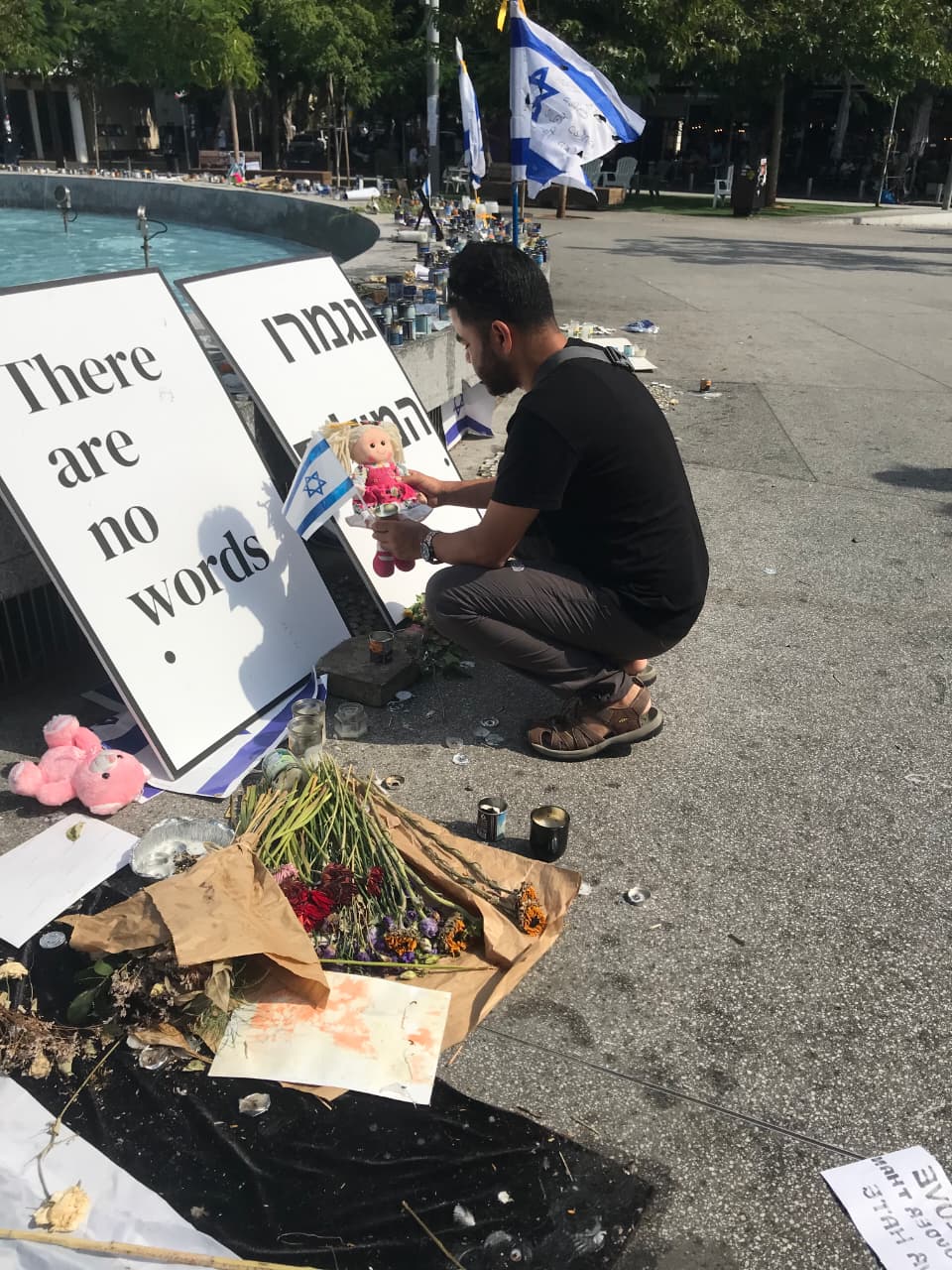
Three years on, the pain is still raw. October 7 was not a casualty of a territorial dispute. It was a deliberate massacre aimed at Jews because they were Jews, the deadliest day for the Jewish people since the Holocaust.
After the Holocaust, the world pledged “Never Again” as a promise to all humanity. October 7 showed that the hatred behind the Holocaust is not a relic. It is alive, organized, and armed. Ignoring it, or excusing those who carried it out, invites history to repeat itself.
Nepal is thousands of miles from Gaza, but our grief is bound to that land. We may be tempted to look away and let time dull the horror. But for the students who came home in tears, for the eleven who did not, and for the sacrifice of Bipin Joshi, we cannot.
Remembering is not a political act. It is the minimum we owe the dead.
“Never Again” is not a slogan. It is a decision, and it must be made now.
October 7: We never forget.