
Netanyahu at the UN: Defiant Strength, Lingering Questions
Netanyahu at the UN: Defiant Strength, Lingering Questions
Prime Minister Netanyahu’s UN speech drew cheers at home and walkouts abroad. It captured both Israel’s resilience and its growing isolation — raising the question of whether defiance alone is enough.
I watched and then read Prime Minister Benjamin Netanyahu’s speech at the United Nations with mixed emotions. Like many Israelis and Jews around the world, I saw a leader who spoke with strength and conviction in the face of a hostile audience. At the same time, I could not ignore the reality that dozens of delegates walked out — and that many of Israel’s friends are becoming increasingly uneasy with his uncompromising message.
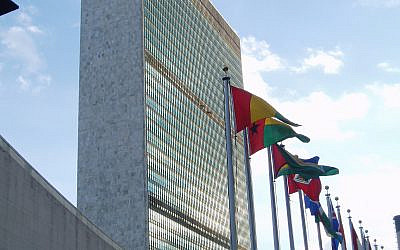
Writing about this moment has sparked its own controversy. Even the Jerusalem Post has been accused of “moving against” the Prime Minister simply for reporting these criticisms. But an honest discussion of Netanyahu’s performance means holding both truths together: the speech contained moments of defiance worthy of applause, and it also revealed the challenges of Israel’s growing isolation.
The Case for Applause.
There is no denying that Netanyahu projected resolve. He spoke as a wartime leader, focused on Hamas, Iran, and those who would celebrate Israel’s destruction. His insistence that Israel “finish the job” in Gaza was not meant to charm foreign diplomats but to remind the world that Israel fights for its survival.
Domestically, the message resonates. Many Israelis, weary of international lectures, see in Netanyahu the embodiment of steadfastness. His ability to stand at the UN, undeterred by empty chairs and disdainful glares, demonstrates the kind of stubborn strength Israelis often prize.
The Case for Concern.
Yet critics are not entirely wrong. Israel’s circle of support is narrowing. When close allies in Europe, Canada, and Australia formally recognize a Palestinian state, the Prime Minister’s rhetoric may reinforce perceptions of Israel as dismissive and unyielding. His speech offered little in the way of a political horizon, even as questions mount about the war’s human toll, the fate of the hostages, and Israel’s diplomatic future.
Within Israel, different sectors of society clamor for different priorities: the return of hostages, relief for displaced families, accountability in government, or simply an end to endless conflict. By focusing solely on external threats, Netanyahu risks alienating those who want to hear how the government intends to heal the fractures within Israeli society itself.
The Balance Sheet.
So was Netanyahu’s UN speech a success or a failure? The truth lies in between. For Israelis who demand strength, it was a reassurance. For Israel’s allies abroad, it was a troubling reminder that Jerusalem may be prepared to “go it alone” even at the cost of deeper isolation. For the Prime Minister himself, it was classic Netanyahu: unbowed, uncompromising, and uninterested in currying favor with those who would walk away.
But this duality points to the central challenge of his leadership. Israel cannot afford weakness, yet neither can it thrive in isolation. The Prime Minister is correct that victory over Hamas is essential. But victory in the broader sense — political, diplomatic, and moral — requires allies, credibility, and a plan for the day after.