Neuroscientist Meital Oren-Suissa Visits Brazil with Weizmann Institute
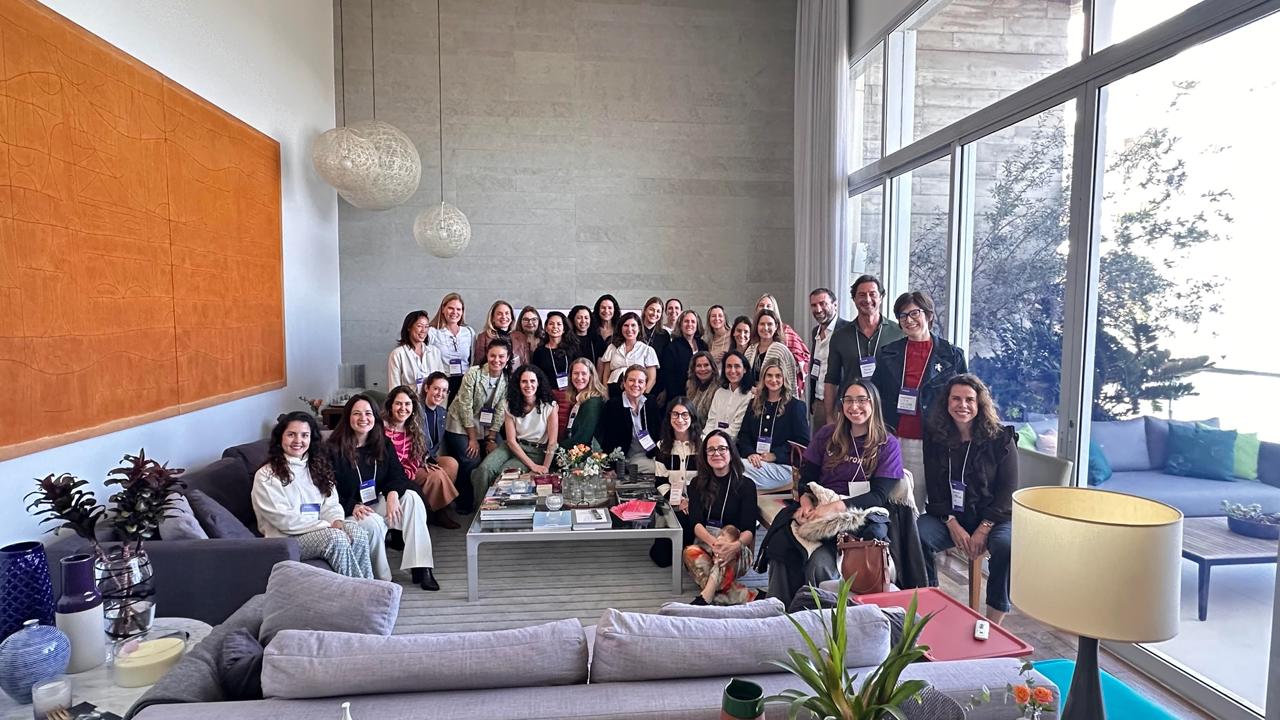
Israeli neuroscientist Meital Oren-Suissa visited Brazil in the first half of May for a series of events organized by the Friends of the Weizmann Institute. The visit brought together researchers, business leaders, philanthropists, and community figures for discussions on one of the most fascinating frontiers of modern science: how subtle differences in the brain shape behavior, perception, and vulnerability to disease.
A professor at the Weizmann Institute of Science since 2017, Oren-Suissa is internationally recognized for her pioneering research on differences between male and female brains and on how neural circuits influence behavior, learning, and neurodegenerative diseases. Her work opens new pathways to understanding conditions such as Alzheimer’s, Parkinson’s, depression, autism, and PTSD.
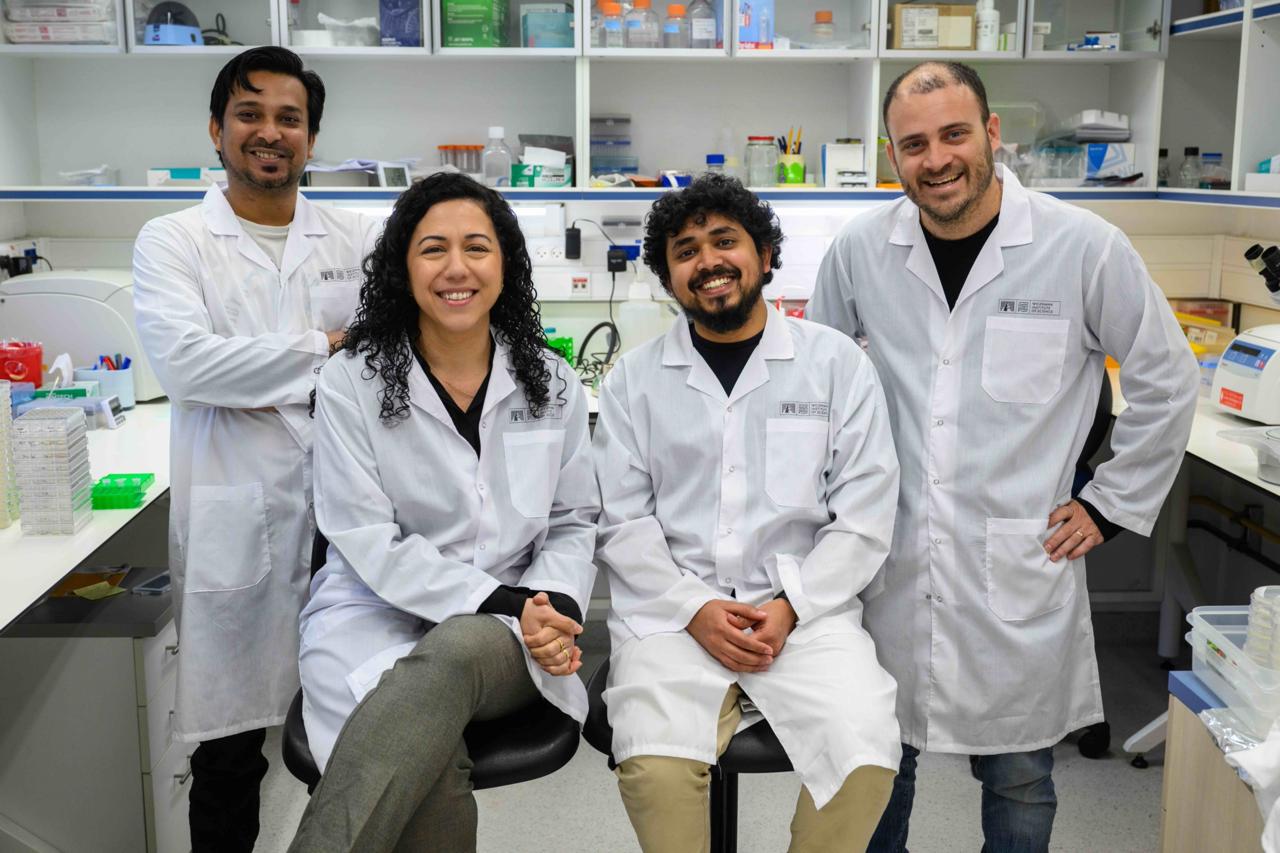
Using advanced genetics, imaging technologies, and animal models such as the microscopic worm C. elegans—an organism that surprisingly shares much of its genetic structure with humans—Oren-Suissa’s lab investigates how subtle changes in neural connections can profoundly alter behavioral patterns. In one study presented during her visit, small alterations in these connections were enough to change pain perception responses between males and females.
Her research highlights the extraordinary plasticity of the brain and underscores the importance of considering biological differences between men and women in neuroscience and medical studies. Many neurological and psychiatric disorders show significant sex-based differences in incidence and progression, a reality that could play a crucial role in the future of personalized treatments.
Throughout her visit, conversations extended beyond science itself, touching on broader questions of human behavior, identity, resilience, and the future of health research in an increasingly complex world.
Beyond her academic work, Oren-Suissa is widely recognized for her contributions to scientific innovation and outreach. She has received major distinctions, including grants from the European Research Council and the Weizmann Scientific Council Award.
At a time when science is becoming ever more central to understanding humanity’s challenges, her visit offered not only a glimpse into the future of neuroscience but also a reminder of the power of curiosity-driven research to transform how we understand ourselves.