
No cheesecake without sustainability
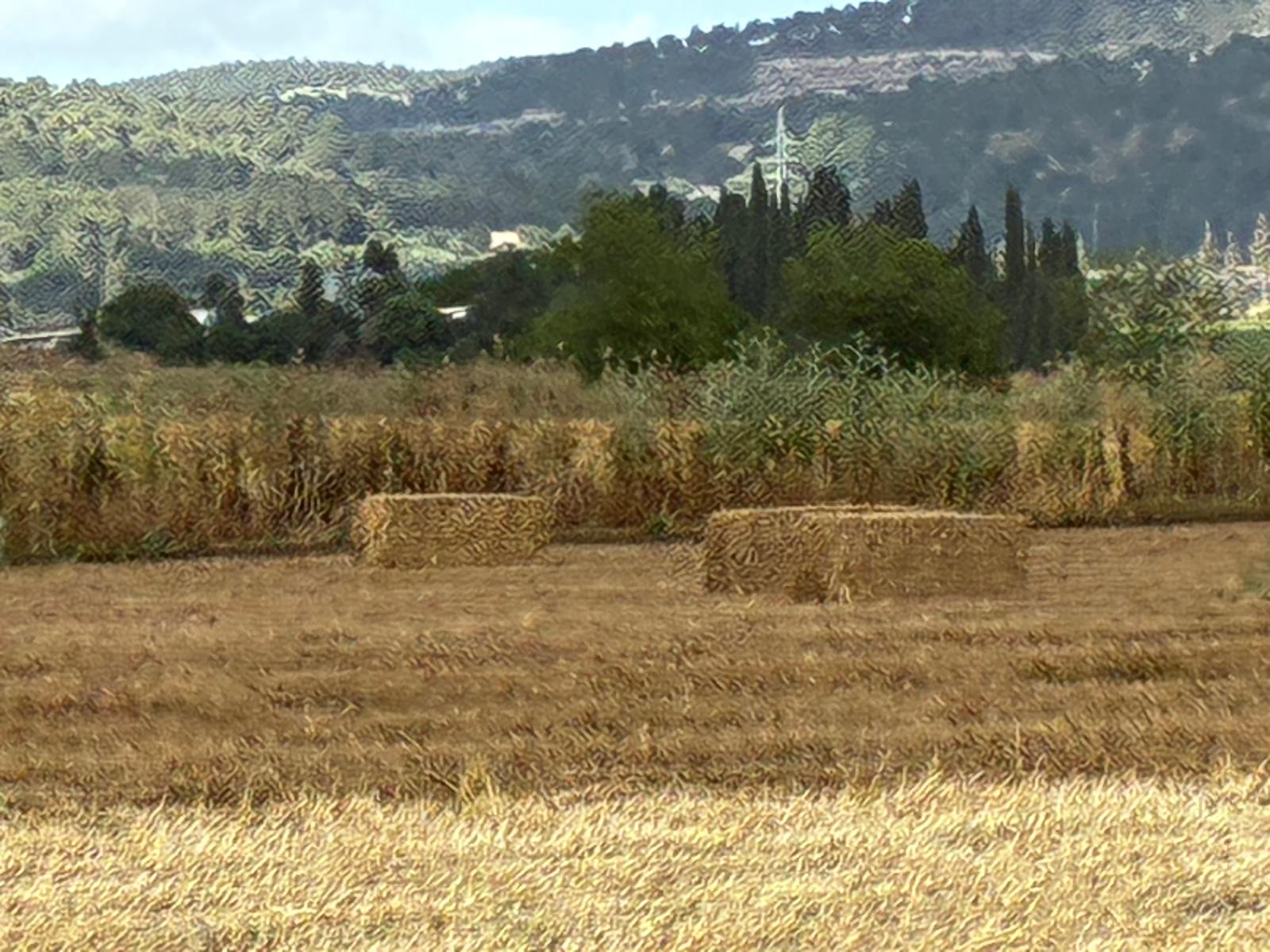
Shavuot, which falls this week, has been my favorite holiday since arriving in Israel in the 1980s. But four decades is more than enough time to understand the difference between delightful customs and what is truly important: the future quality of our environment.
As we grapple with ongoing regional instability, it’s hard to find the time and energy to also deal with other vital issues. After all, the embers of Iran and Lebanon continue to smolder.
Observers outside Israel, however, might have difficulty understanding how issues that just a few years topped the local agenda have essentially dropped off the radar. I’m talking about the climate crisis, renewable energy, environmental justice, green public procurement, cleantech, recycling.
There’s nothing theoretical about this.
While we continue to fight unavoidable wars, dozens of countries gathered in late April in Colombia for talks focused on pivoting to clean energy and extricating themselves from the shackles of coal, gas, and oil. From this distance, it appears that participants there are seriously bent on moving forward – without binding themselves to the intentions of the world’s leading polluting countries (they didn’t attend).
Chances are slim that those of us who consume solely Israeli media would have heard about the conference. That’s just the way it is here – i.e., “the situation.”
Indeed, in Israel it is hard to find any tidings when it comes to sustainability. With the mountain of reports about war and other forms of violence, updates about environmental protection are the exception that proves the rule. In the best-case scenario, we’ll run into bad news in a wartime context: the damaged Bazan refinery remaining in Haifa, an oil spill spreading in the Hormuz, environmental damage throughout the region.
Allow me to try and close some information gaps.
The most substantive update to recently hit our news feeds – one that did generate some headlines – was provided by Israel’s state comptroller in his May 5 report. That document focused on the implications on the government’s performance of its internal structural changes in the past few years.
This report’s 80 pages include a chapter dealing with shortcomings in moving the Planning and Agricultural Land Division back and forth between two ministries. A disturbing revelation lies among the many administrative details: these structural shifts caused a significant reduction in the allotment of additional land for agricultural use – possibly upwards of 90 percent as compared with previous years.
The connection to our beloved Shavuot holiday is clear: we need agricultural land to grow the wheat that goes into all those traditional baked goods.
Of course, the issue goes far beyond the narrow holiday context. The state comptroller made that clear back in October, in a report expressing his opinion that Israel is unprepared to guarantee food security in emergency situations. Aspects he points to include: the absence of a governmental coordinating body, shortages of essentials and a dependence on imports.
Still above ground: a few lines about the importance of trees to our country’s health in the climate crisis. Remember last year’s raging fire along Highway 1? Well, together with the understandable excitement aroused by budding leaves in the charred landscape, we would do well to internalize that it will take about 15 years for the damaged vegetation to return to its former self.
That assumes another fire of a similar scale – whether because of climate change, human negligence or both – doesn’t set the area back even further. I would caution against over-optimism in this context: new research by the Israel Meteorological Service indicates that the length of the country’s fire season is increasing over time, a trend expected to continue.
Okay, so we’ll just plant lots more trees to compensate – right? That would be nice, but reality doesn’t necessarily look that way. The data speaks for itself: cutting down some 43,000 trees was already approved in January-February of this year. Between 2023-2025, around 512,000 trees were approved for uprooting.
Perhaps there’s no choice in a small country like Israel, which must quickly provide both infrastructure and residential solutions to a population that has already crossed 10 million. Even if we planted a new tree for each one cut down, a seedling cannot immediately carry out the climate function of the mature tree it replaces (also relevant to those uprooted because of the damages of war and drought).
Clearly, there’s no reason for optimism above ground. What about the sea?
No good tidings there either. According to the Environmental Protection Ministry’s April report, the Mediterranean’s ecological system is deteriorating: the water is hotter, plastic continues to accumulate and local species are disappearing. Sigh.
The situation isn’t any better when looking at the skies: the ministry’s annual report focuses its preparation for the climate crisis on an anticipated increase in the volume of rain. And there’s no need to tell us about the growing frequency of sandstorm days – every Israeli can sense it, especially in the past year.
In short: everything’s connected.
Still, I’ll try to conclude with a positive message: kudos to Israel’s president for launching our National Health System Climate Change Preparedness Program earlier this year. If the climate damage can’t be stopped, at least we’ll get the appropriate medical treatment.
Oops – more doom and gloom… Regrets. Happy Harvest Festival!
Dedicated to the memories of my mother Molly Jacob and my “adopted father” Micha Hoffman, both of whom passed away on May 17 and deeply loved Israel.