Jewish historian
On Jewish Memory: Yom Hashoah, Yom Ha-zikaron
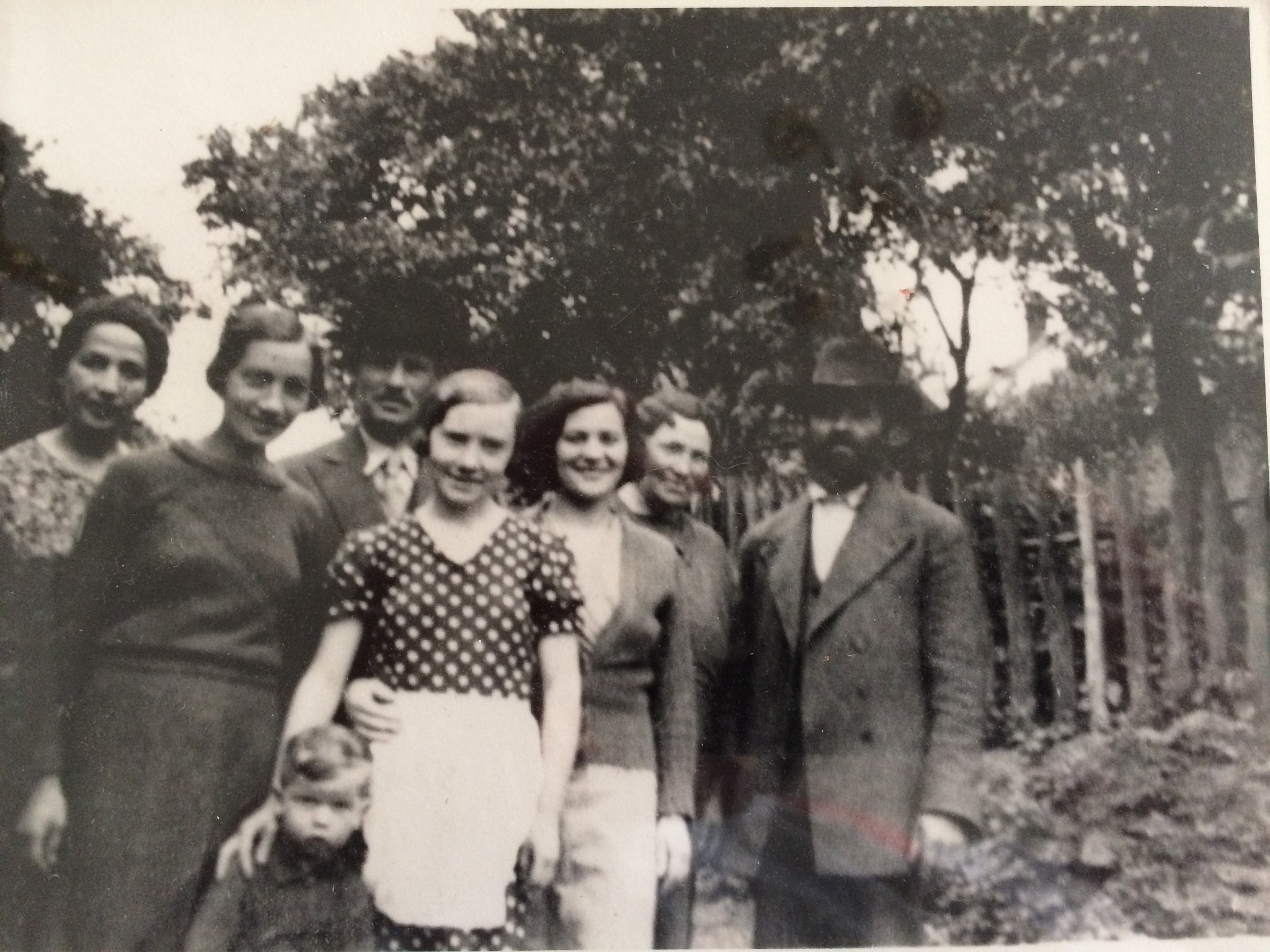
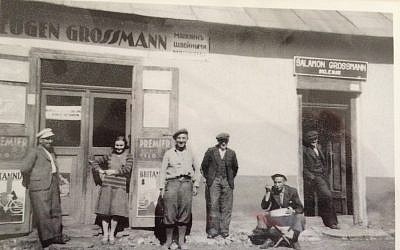
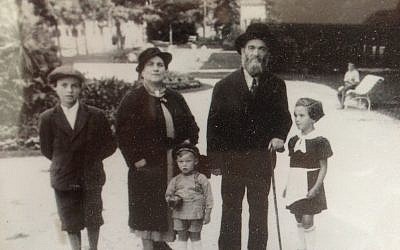
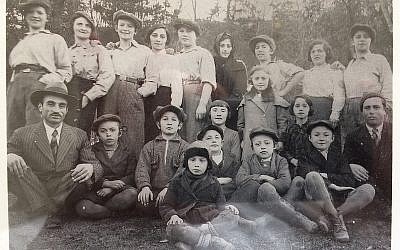
It is yom hashoah this week and the programming, on radio, TV, has already begun. In the next few days, it will become pervasive, with event after event, in synagogues, community centers. And finally, State ceremonies. Reminding us what human beings– and political systems– are capable of. Driven not by any version of rational self-interest, like conflict over territory or resources, something comprehensible by normal people, if reprehensible; but by what the historian, Saul Friedlaender, termed, “redemptive anti-Semitism.” Of which, he says in his book, Nazi Germany and the Jews, “Whereas ordinary racial anti-Semitism is one element within a wider racist worldview, in redemptive anti-Semitism the struggle against the Jews is the dominant aspect of a worldview in which other racist themes are but secondary appendages. Redemptive anti-Semitism was born of the fear of racial degeneration and the religious belief in redemption [emphasis mine].”
It was a religious system. Self-sufficient, self-justifying.
The few times I forced myself to teach a Shoah-related course, it was not a survey of its history; I would not do that. Rather, I developed a course– I am an historian and taught in the History Department– on “Good and Evil: Ethics and Decision Making in the Holocaust.” Because that is what draws students to this subject, whether they articulate it explicitly or not.
I do not begin or end with a theoretical definition of “ethics,” “good,” or “evil.” Rather, we study six groups, and ask what ethics were, or were not, at work in their behavior; what “good” and “evil” came to mean, including in the ghettos and camps. The groups are: German civilians in the 1920s and ’30s– who they voted for; the Churches; Jews; the Allies; Bystanders; Rescuers. I do not include perpetrators, will not study them. We read a lot– primary, secondary sources; and we watch Claude Lanzmann’s epic film, “Shoah,” whose dialogue I know by heart, unfortunately; its scenes etched in my head. If anyone has not watched this 9-hour film, do. Not alone, absolutely not alone. But if you haven’t seen it– all is interviews in the post-war period, nothing from the Shoah itself, nothing but memory– it’s a must.
My point in the course– always the most enrolled of any I taught, something that deeply saddened and saddens me– was not that students walk away declaring, “Never Again.” Not that that is not a worthy goal but it’s been violated repeatedly since WWII despite being mouthed to the point of platitude.
Rather, my point was to bring students to take in what human beings and political systems are capable of; to break through denial by good, idealistic, young people about this. Because that denial, that failure to grasp, the projection from the limits of what we, normal people, are capable of, onto others with very different parameters of behavior, is what got millions of us killed.
Next week, God help us, is yom hazikaron, with the barely bearable pain of impossible loss.
Both touch personally and this never becomes easier. I try for manageable and that is not always in reach.
Without memory, we are not who we are. With a surplus, a flooding of it, we risk being overwhelmed.
I have no answers.
Related Topics