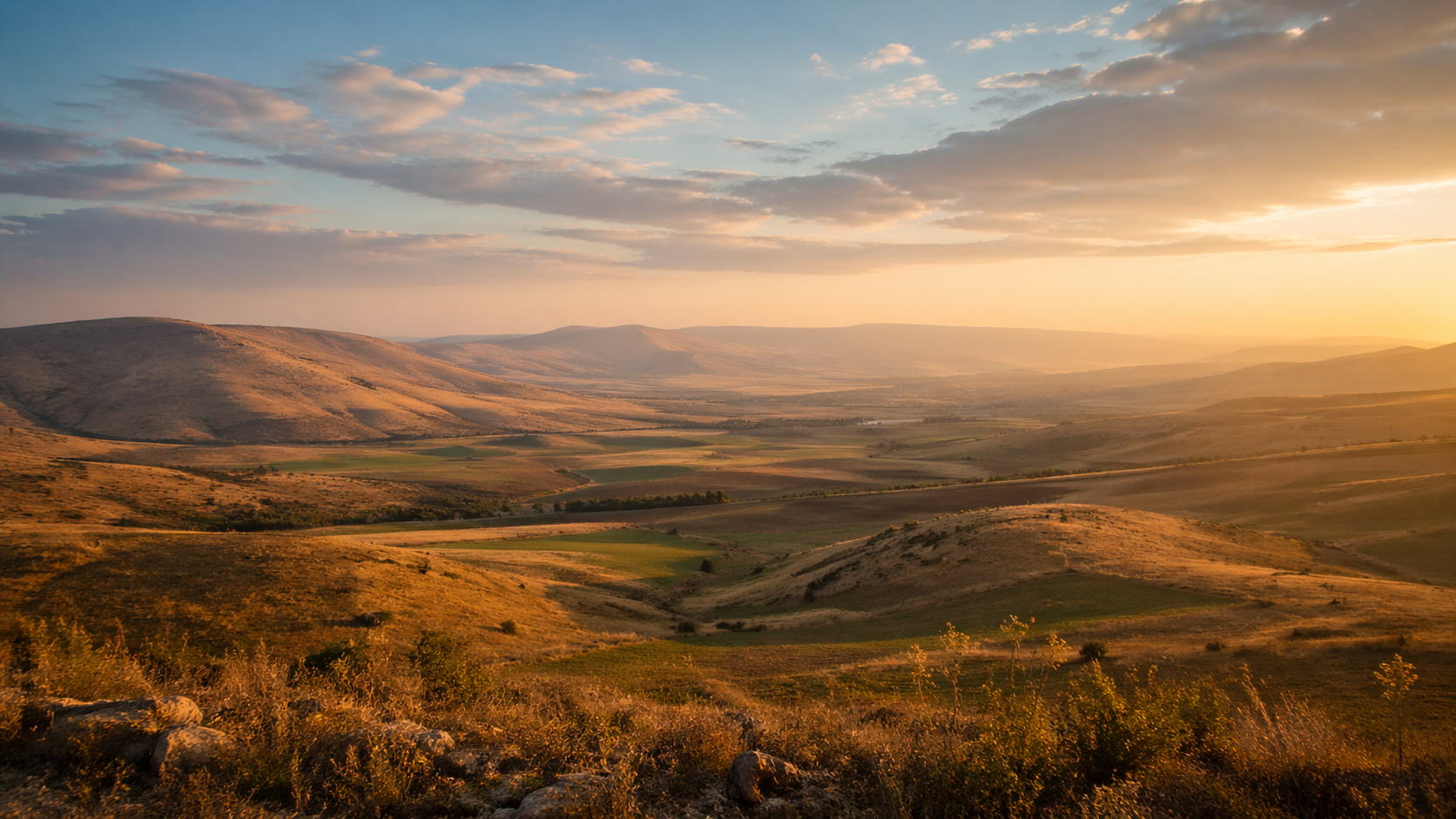
Across centuries, empires conquered the Land of Israel, foreign rulers claimed it, and yet something within its soil seemed to resist permanence—its abundance muted, its promise restrained, as though waiting for something unfinished.
There is a question that has quietly followed this land across history: Why did a land once described as flowing with milk and honey so often appear barren in the hands of others?
Mark Twain, traveling through the region in the nineteenth century in The Innocents Abroad, captured this mystery. He described vast stretches of fertile terrain lying strangely desolate—rich with possibility, yet eerily underdeveloped. What should have reflected blessing instead appeared suspended, as though the land itself withheld something essential.
This phenomenon is not merely historical curiosity.
It is Torah.
In Parashat Bechukotai, the condition of the land is inseparable from the condition of its people:
וְנָתַתִּי גִשְׁמֵיכֶם בְּעִתָּם
“I will give your rains in their time.”
(Vayikra 26:4)
וְהָאָרֶץ תִּתֵּן יְבוּלָהּ
“And the land will give its produce.”
(Vayikra 26:4)
וַהֲשִׁמֹּתִי אֲנִי אֶת־הָאָרֶץ
“I will make the land desolate.”
(Vayikra 26:32)
The Torah does not describe the Land of Israel as passive territory or ordinary inheritance. It presents it as covenantal terrain—responsive, sacred, and bound to a deeper relationship between nation and Creator.
Rashi teaches that the land’s desolation during exile was not merely punishment, but preservation: a withholding that ensured it would not fully flourish for foreign occupiers. Even in abandonment, the covenant endured. The Ramban deepens this further, explaining that the Land of Israel exists under Hashem’s unique providence in a way unlike any other land.
This is no ordinary geography.
It is a land that answers—or withholds.
A land where blessing is measured not solely through sovereignty or physical return, but through the moral and spiritual alignment of the people who dwell within it.
That covenantal truth did not end in exile; it remains the defining challenge of Jewish sovereignty today.
The modern return to Israel is extraordinary—prophetic, historic, and deeply sacred. The rebuilding of its cities, the restoration of its agriculture, and the ingathering of exiles reflect one of the most astonishing national restorations in human history.
But return alone is not the final redemption.
To possess the land without embracing the responsibilities it demands is to misunderstand the very nature of the gift.
The Land of Israel does not simply ask whether Jews have returned. It asks what kind of nation we intend to become now that we are here.
This land was never meant merely to be possessed. It was meant to elevate, to call, and to demand.
Its deeper promise is realized not only through presence, but through purpose.
Only when the Jewish people live within this inheritance as both a national home and a sacred responsibility does its fuller blessing emerge. Only then does abundance become more than agriculture, sovereignty more than politics, and redemption begins to breathe through its soil and stone once more.
The Land of Israel was never merely ours to inherit.
It was always something to live up to.
חֲזַק חֲזַק וְנִתְחַזֵּק
Be strong, be strengthened, and may we strengthen one another.
שבת שלום
שמואל