International Speaker, Author, Educator, Tour-Guide, Artist, Zionist
Out of the Worst of Wars, a Better Way to Save a Life
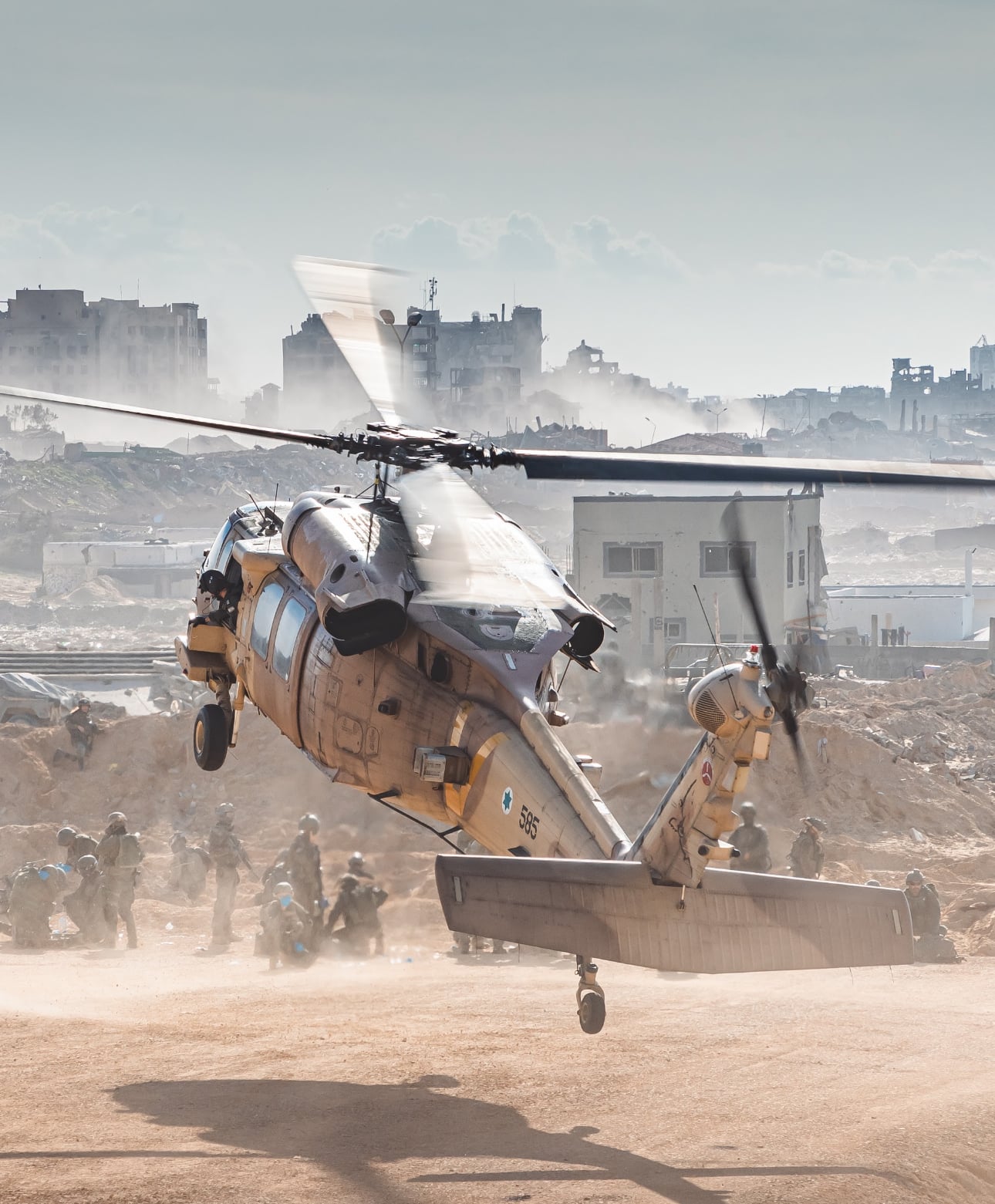
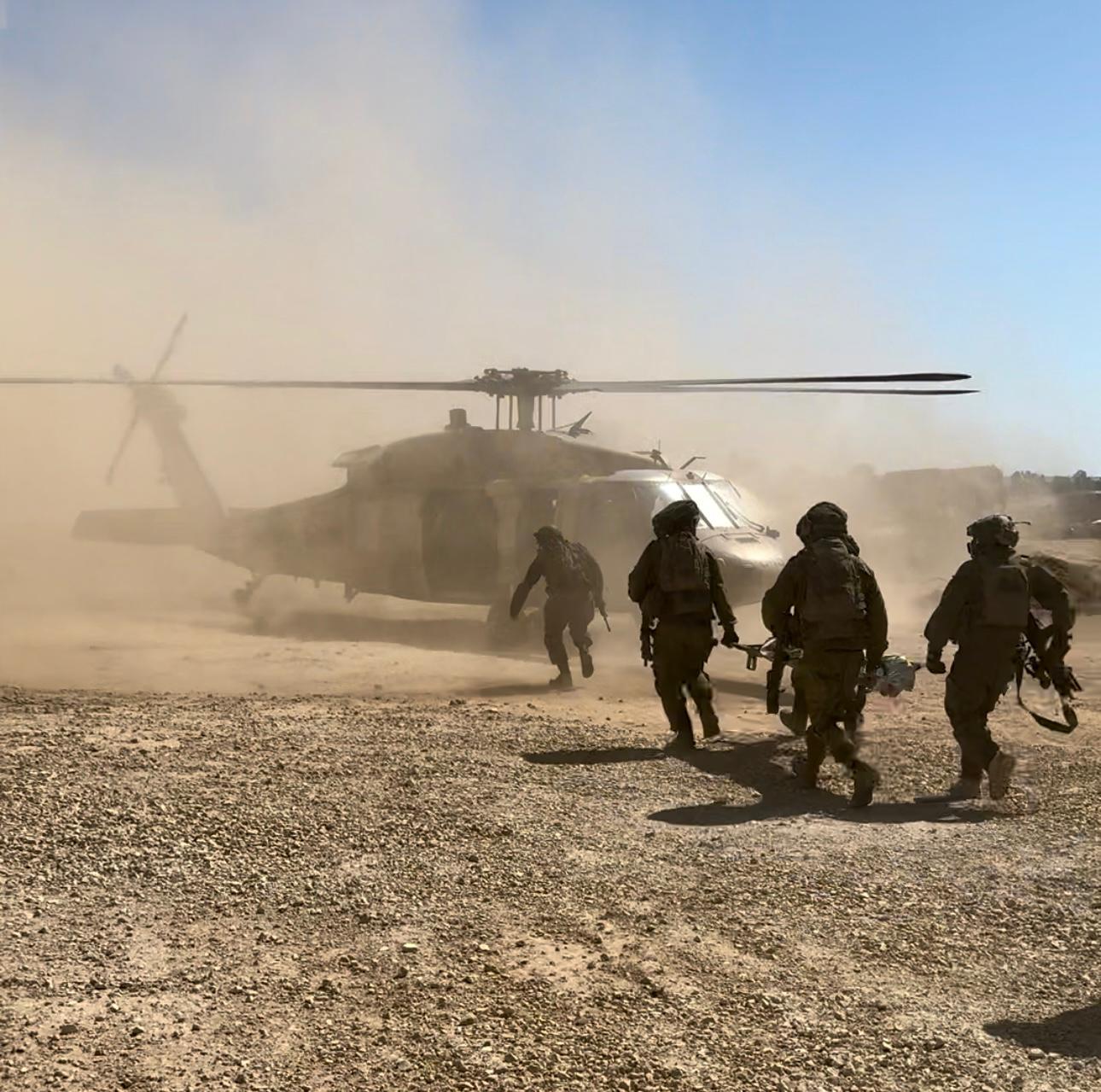
Helicopter evacuation of wounded in Gaza. Photo ©️ Amit Agronov, 2026
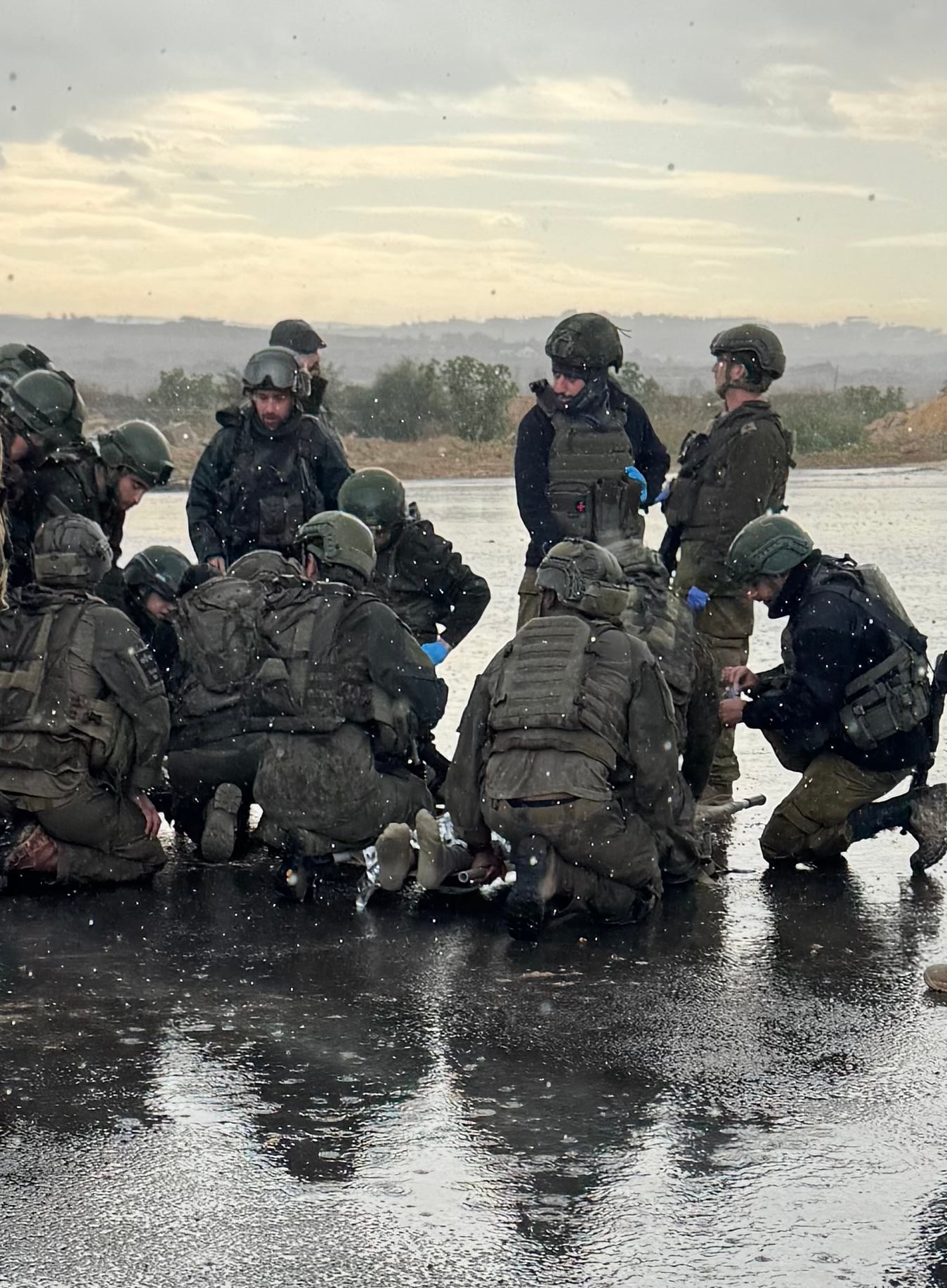
When most people picture military medicine, they picture a tent. Perhaps they think of MASH*, the television series named for the Mobile Army Surgical Hospital, a model that made sense for Korea and Vietnam. The wounded were brought to the hospital, and the hospital stayed put.
My unit works on the opposite principle. We bring the hospital to the wounded.
I am a reservist in a PALMAR, a combat medical extraction unit of the IDF. I have served in it since October 2023, when I pushed my way back into the army after a 17-year hiatus. I had aged out of service, and nobody had called me up, so I made the case myself. I began my military life as a combat medic in Givati, and in the three years since the war began, I have spent more than two years on the Gaza front and just under one on the Lebanon front, in the same unit throughout. I mention this not for credit but so you know I am not writing from a distance.
Speed is the whole idea
We work alongside the Air Force’s elite Search and Rescue Unit 669 and think of ourselves as a medical cavalry. When a soldier is hit, we are already on standby, ready to swoop in. Our commander, whom I call Lt. Colonel “D” in my book, put it better than I can:
When the troops see us coming, they know that they can get back to fighting because the door to the hospital has just been opened.
That sentence holds the whole concept. A wounded soldier’s greatest enemy is time, and most deaths on a battlefield come from bleeding. The less time between injury and real treatment, the better the chance of survival.
What the numbers say
Recent reporting suggests the approach is working. According to Fox News, citing IDF data, the mortality rate among combat casualties was about 15% during the Second Lebanon War in 2006. During the current war it is 7.1%. A US Army report cited nearly identical figures, a fall from 14.8% in 2006 to 7.1% in 2024, even though a larger share of the wounded were seriously injured.
Put plainly, the share of wounded soldiers who die has been cut by more than half. Behind each of those percentages is a person who went home.
An IDF medical specialist told Fox News Digital that in 2006 it took 15 to 20 minutes for advanced life support to reach a casualty. Today it arrives immediately or within four minutes. Fifteen minutes is a very long time for someone bleeding heavily. Four minutes can be the difference between a funeral and a hospital bed.
Why it works, in plain language
Three ideas drive the change, and none of them requires a medical degree.
First, get doctors close to the fight. The same specialist pointed to medical personnel on the battlefield, including a doctor in every company, so that critical decisions are made early. In my unit, surgeons, haematologists and portable ultrasound scanners are part of the team that goes out to the soldier.
Second, replace what the body is losing. The IDF has emphasized blood products since 2013, and the specialist said Israel was the first to use plasma at the point of injury instead of salt water. Blood is carried forward in coolers on the backs of medics. A soldier can receive it where he fell, not an hour later in an operating room. Fox News quoted the specialist as saying the method “saved significant numbers” of wounded troops.
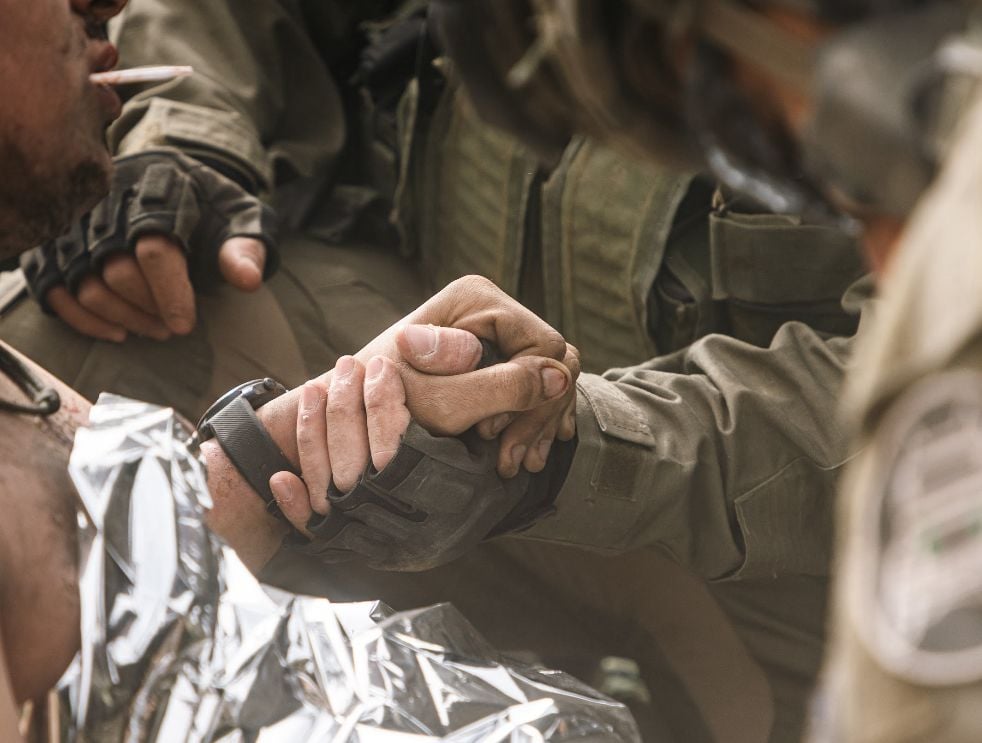
Third, never let the chain of care break. Each patient’s treatment is recorded digitally from the moment of injury, so every provider along the way sees the same information. As the specialist described it, every relevant medical officer in the chain can see the patient’s data. The medic in the field, the helicopter crew and the surgeon waiting at the hospital all know what has already been done. Nothing gets lost in a handoff.
Learning from each other
None of this was invented in a vacuum. The IDF specialist said Israel’s system builds on a 2012 American study of casualty care in Iraq, and the two armies have cooperated for years. Now the learning is flowing in both directions. In an April 2026 report, “Israeli Defence Force Medical Lessons Learned,” the US Army recommended that its own medical teams study Israel’s methods. Its authors warned that Israel endured a painful transformation amid combat, one America has the chance to avoid. Their conclusion was blunt: “The time to prepare is now.”
I find that a humbling thing to read. The PALMAR concept was born after “Operation Protective Edge” in 2014, out of necessity and a refusal to accept that wounded soldiers must wait. Everything we have learned since was paid for in hard experience.
The uncomfortable truth
I will not pretend that war is anything but terrible. I have seen enough of it to say that no medical innovation makes it acceptable. If I could trade every protocol we have refined for a world where we were never needed, I would do it without hesitation.
But we do not get to choose the world we serve in. We can only choose what we do with what we learn. Methods tested under fire do not stay on the battlefield. Faster blood transfusions, better tracking of patients and treatment that starts at the scene will help the victim of a highway pile-up, a terror attack or a natural disaster. Dr. Marc Siegel, Fox News’s senior medical analyst, made the same point, saying that advances developed in Israel help not just today’s wounded but fuel medical and surgical advances around the world.
Why I wrote it down
I tell the full story of my unit in my book, Heroes of Palmar: How One IDF Unit Revolutionized Combat Medicine in Gaza, published by Gefen Publishing House and available at gefen.com and Amazon. I wrote it because the people in these units deserve to be known. They are doctors, medics and pilots who run toward the worst moments of other people’s lives and do it with astonishing skill and tenderness.
The mortality figures are real, and I am proud of them. But when I think about this work, I do not think about percentages. I think about the moment a wounded soldier sees us coming and understands that s/he is no longer alone.
That moment is what we are here to deliver. I hope someday every army, and every ambulance service, can deliver it too.
– –
Dr. Tuvia Book is a global speaker, tour guide, author and IDF reservist.
Related Topics
Related Posts