
Pakistan Announces US-Iran Peace Deal, Raising Hopes for Regional Stability
For months, it seemed like the world was caught in a relentless cycle: rising tensions, retaliatory actions, dire warnings of a larger war, and constant predictions of economic chaos. The conflict between the United States and Iran had escalated beyond a mere regional dispute; it became a global issue. Oil prices soared, supply chains were rattled, and the potential closure of the Strait of Hormuz threatened to push an already fragile world economy into even deeper turmoil.
However, today brings a much-needed breath of fresh air.
The announcement that Washington and Tehran have reached a peace framework has sent ripples of relief through capitals worldwide. Leaders from Europe, the Middle East, Asia, and Oceania are welcoming this development, viewing it as a pivotal step toward resolving a conflict that had become increasingly dangerous for both the region and the global community at large.
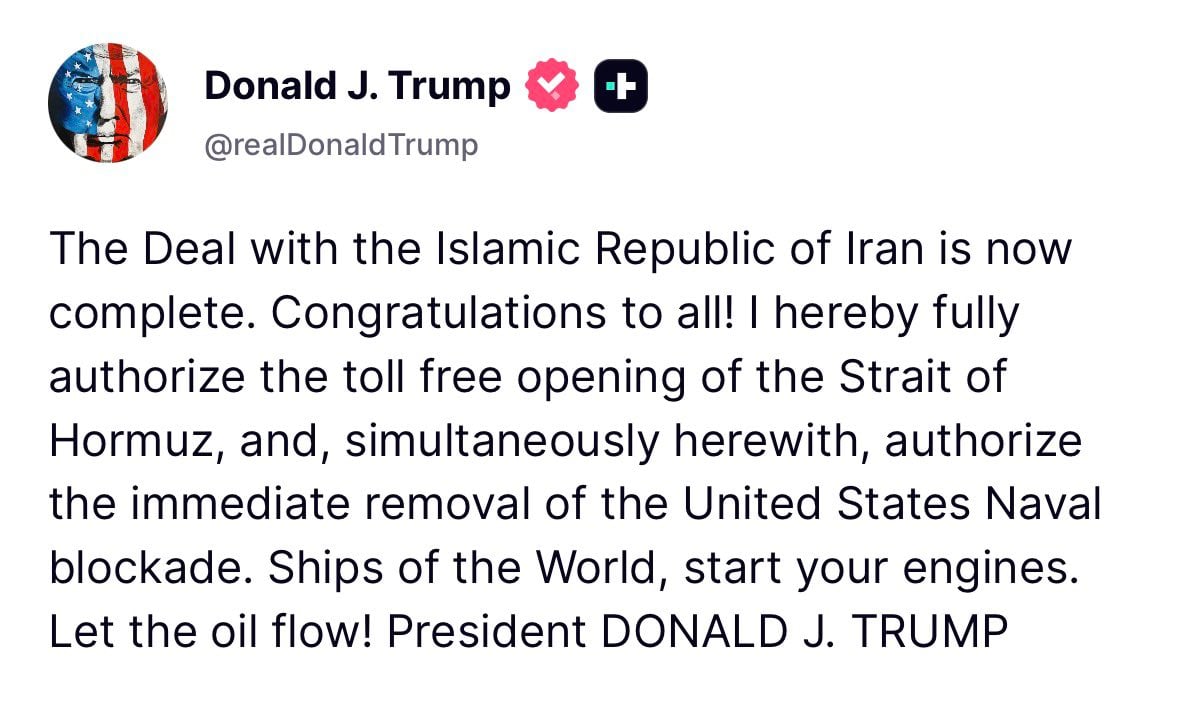
“The Deal with Islamic Republic of Iran is now complete. Congratulations to all!” President Donald J. Trump ???????? pic.twitter.com/RdSwyEdEtO
— The White House (@WhiteHouse) June 14, 2026
After more than three months of conflict, both sides are now talking about implementation rather than confrontation. That alone is a remarkable shift. Reports indicate that the agreement includes an end to military operations, the reopening of the Strait of Hormuz, and a framework for addressing the larger issues that fueled the crisis in the first place.
The Strait of Hormuz is incredibly significant.
For many, it’s just a narrow stretch of water on a map. But in reality, it’s one of the world’s key economic arteries. When there were disruptions in the strait, the markets reacted right away. Energy prices climbed, inflation fears spiked, and governments worldwide began preparing for the potential of ongoing instability. The prospect of reopening this vital shipping lane has already boosted investor confidence and contributed to a drop in oil prices.
???? JUST IN: Vice President JD VANCE announces the agreed-to Trump-Iran peace deal
1. BLOCKS Iran from ever pursuing, procuring or obtaining a nuclear weapon
2. IMMEDIATELY opens the Strait of Hormuz
3. Lifts the US naval blockade
4. Opens up HUGE investments for the region… pic.twitter.com/ggIxdRlxXS— Eric Daugherty (@EricLDaugh) June 14, 2026
After this development, Pakistan’s role as a mediator, along with the contributions of other countries, took center stage as global leaders celebrated a long-anticipated agreement between Washington and Tehran. This deal aims to de-escalate tensions and ultimately put an end to a conflict that has been raging for over three months, wreaking havoc on the world economy.
The preliminary agreement, which was first revealed by Pakistani Prime Minister Shehbaz Sharif, is being recognized as a major diplomatic achievement. It holds the promise of restoring peace in the Middle East, reopening the Strait of Hormuz, and alleviating some of the economic strains felt around the globe.
Following intensive talks, we are pleased to announce that the Peace Deal between the United States of America and Islamic Republic of Iran has been REACHED. Both sides have declared the immediate and permanent termination of military operations on all fronts, including in…
— Shehbaz Sharif (@CMShehbaz) June 14, 2026
This certainly sheds light on why the response from global leaders has been so overwhelmingly positive.
Whether it’s the United Nations or governments across Europe, and even reaching out to Australia and Japan, the consensus is unmistakable: diplomacy has worked where military escalation could have faltered. Leaders around the world are calling for prompt action, ongoing discussions, and a steadfast commitment to achieving peace.
I warmly congratulate the US & Iran for having reached a peace deal that provides for an immediate & permanent ceasefire, the reopening of the Strait of Hormuz, as well as a framework for further negotiations. This represents a critical step towards the peaceful settlement of the…
— António Guterres (@antonioguterres) June 14, 2026
One key element of this story that really stands out is Pakistan’s involvement. By keeping lines of communication open with various stakeholders and backing negotiations during a time of heightened tension, Islamabad played a crucial role in creating a space for dialogue when trust was hard to come by.
This effort hasn’t gone unnoticed. International figures, including UN Secretary-General António Guterres, Turkish President Recep Tayyip Erdoğan, British Prime Minister Keir Starmer, and others, have publicly recognized the contributions of Pakistan and other mediating nations in pushing the process forward.
British Prime Minister Keir Starmer warmly welcomed the agreement, describing it as a hugely important step forward in ending the war, ensuring regional stability and reopening the Strait of Hormuz.
He specifically congratulated President Trump and the mediators from Pakistan, Qatar and elsewhere who have contributed to this breakthrough.
My statement on today's agreement between the United States and Iran. pic.twitter.com/taQZufv7ij
— Keir Starmer (@Keir_Starmer) June 14, 2026
For Pakistan, this isn’t just a win in diplomacy. It’s a chance to show the world a different side. Far too often, Pakistan’s global image has been colored by security issues, political instability, or regional conflicts. The peace process presents an alternative story: a nation that fosters dialogue instead of division, and negotiation rather than confrontation.
Canada welcomes the new agreement between the United States and Iran. We extend our gratitude to Pakistan, Qatar and regional partners for their indispensable roles in facilitating negotiations.
Canada has been clear that a durable ceasefire must both ensure safe and unimpeded…— Mark Carney (@MarkJCarney) June 15, 2026
This is significant because, in the twenty-first century, influence isn’t just about military might or economic clout. It’s increasingly about the ability to build trust, encourage cooperation, and help resolve conflicts that others struggle with.
The agreement represents a beginning, not an end.
The toughest questions are still on the horizon. We still have to tackle issues related to Iran’s nuclear program, sanctions, its network of proxies, regional security setups, and long-term verification processes. The weeks ahead will really put to the test whether political leadership can turn this diplomatic breakthrough into a lasting peace.
History offers plenty of examples of peace agreements that looked promising on paper but failed during implementation. Success will require patience, political courage, and sustained international support.
At a time when geopolitical tensions seem to dominate headlines, the US-Iran breakthrough reminds us that diplomacy still matters. It reminds us that dialogue remains possible even between adversaries. And it reminds us that regional stability is not achieved through military victories alone but through difficult compromises and persistent negotiation.
The road ahead will not be easy. But after months of uncertainty, the world has been given something it desperately needed: hope.
And in today’s international environment, hope itself is no small achievement.