
99.6% Ashkenazi + .4% Viking = 100% Zionist
Palestine is a Lie: It’s Time to Face the Truth
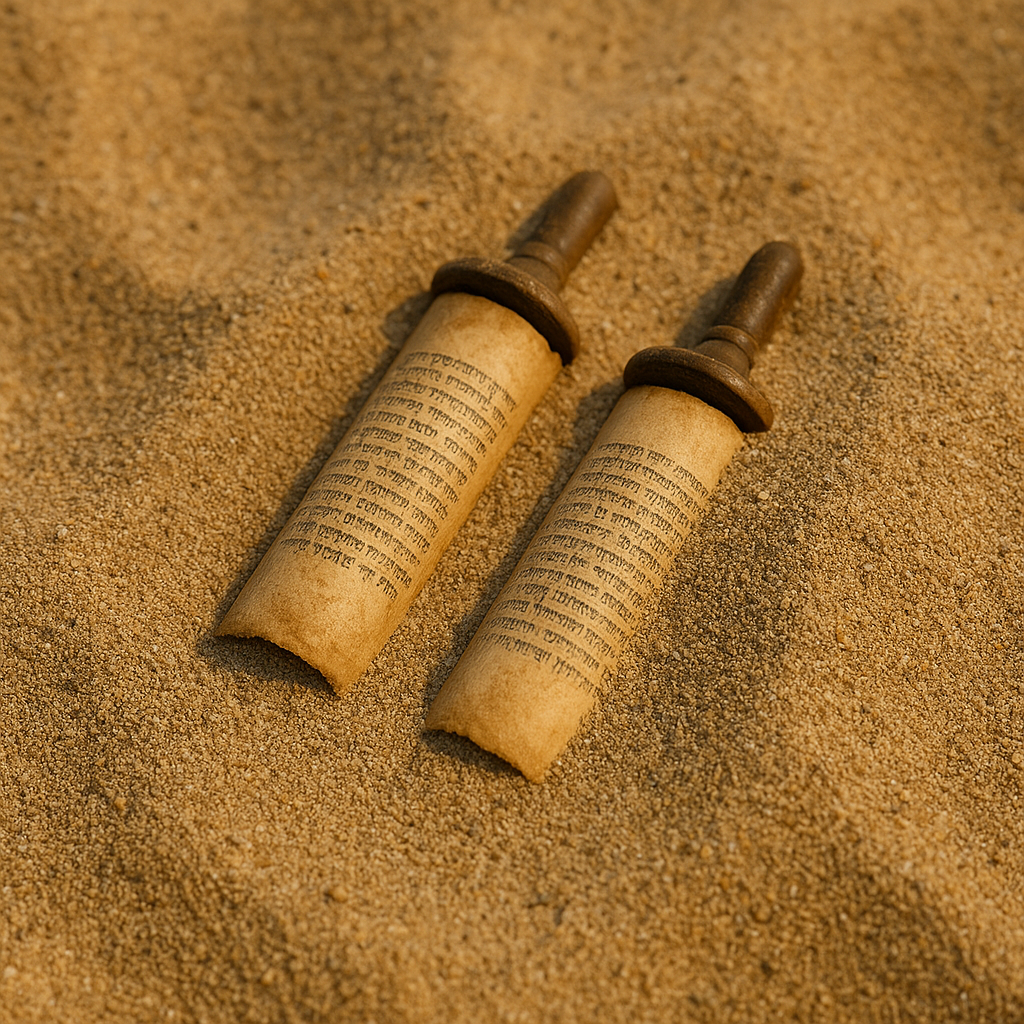
Palestine is a Lie
Let’s talk about occupation — not the one you’ve been spoon-fed by hashtags and angry mobs, but the real one. Because if we’re being honest, there is an occupation in Israel today. And it’s not the one you think.
The tired, cynical cry of “End the occupation!” echoes across campuses and parliaments, painting Israel as a colonial monster squatting on some mythical Arab land called Palestine. But there’s a problem with this narrative. Actually, there are several.
Let’s start with the most basic: there is no such country as Palestine. There never was.
Under Ottoman rule, the area was a neglected province. When the British took over, they did so under the Mandate for Palestine, established by the League of Nations in 1922. That mandate did not call for a two-state solution. It didn’t even suggest Arab sovereignty. It was created with a singular purpose: to establish a Jewish national home in the territory of Palestine. That decision was rooted not only in modern diplomatic agreements but in an unbreakable, millennia-old Jewish connection to the land.
But as Arab hostility intensified — including repeated riots, massacres, and rejections of compromise — the British, eager to wash their hands of the problem, handed the issue over to the United Nations. Thus came the 1947 UN Partition Plan, a compromise that diverged from the original Jewish homeland vision, offering a divided land — one part Jewish, one part Arab — to placate growing Arab rejectionism.
The Jews accepted it. The Arab states didn’t just reject it — they went to war over it. And when you reject a deal and start a war to prevent it, you don’t get to cite that same deal as the basis for future claims.
Let’s fast forward to 1967. Israel didn’t just “decide” to occupy anything. During the Six-Day War — a defensive war — Israel pleaded with Jordan to stay out of the conflict. Jordan refused. It attacked. It lost. And Israel took control of Judea and Samaria — a name with roots in Jewish scripture, history, and identity. A name erased and replaced by Jordan with “West Bank,” a sterile geographical term designed to sever the Jewish connection to the region.
But let’s be clear: that territory was not Jordan’s to lose. Jordan’s 1948 annexation of Judea and Samaria was illegal and recognized by almost no one. Before that? It was under British control. Before that? Ottoman. Way before that? Roman. And before that? Jewish — a sovereign, historical claim that predates the modern nation-state system altogether.
So no, Israel is not an occupier. It reclaimed its ancestral heartland, territory earmarked for Jewish restoration and reborn through Israel’s very survival.
And as for the people living there? Let’s stop calling them Palestinians. The term itself is a modern construct, popularized in the mid-20th century and built on a Roman-era rebranding meant to erase Jewish identity. The Romans renamed the land “Palestina” after the Philistines — historical enemies of the Jews — in a deliberate insult following the failed Bar Kochba revolt. Tragically, that rebranding stuck; as did the rebranding of Judea and Samaria into the “West Bank.”
Today’s Arabs in Judea and Samaria are not native to some ancient Palestinian kingdom — because none existed. Many settled there over the centuries from surrounding Arab lands – more recently, attracted by Jewish development. Some have lived there for decades, even generations. But if that alone constitutes a claim to statehood, then the entire world map is up for grabs.
Now, let’s turn our attention to Gaza — a very different story. The people there are Gazans, not “Palestinians” in any meaningful historical sense. Israel fully withdrew from Gaza in 2005 — every soldier, every citizen, every synagogue, even the dead were exhumed and relocated. In exchange, Israel received over 20,000 rockets, terror tunnels, and ultimately the October 7th massacre. Gaza is not occupied. It is a self-governed, terror-run enclave that borders both Israel and Egypt. It has no Israeli presence. None (save for the current military operation). Yet the cries of “occupation” continue — because truth is irrelevant when grievance is a strategy.
And if we must talk about occupation, let’s look honestly at who is occupying what. Arabs in Judea and Samaria — many of whom openly reject Israel’s right to exist and support violent resistance — continue to claim the land of Judea as theirs. The irony is breathtaking.
This is not about freedom, civil rights, or land disputes. This is about denying the very existence of a Jewish state. Always has been.
So maybe it’s time we flip the narrative. Maybe the time is long overdue.
Maybe it’s time we ask why there are millions of Arabs living in lands internationally recognized as part of the reborn Jewish homeland while not a single Jew can safely live in Arab-controlled areas of Judea and Samaria.
Maybe it’s time to acknowledge that the term “Palestinian” has been weaponized — not to build a nation, but to erase one.
Maybe it’s time to stop rewarding decades of rejectionism, terrorism, and bad-faith negotiation with more false claims of injustice.
And maybe — just maybe — it’s time to say what few dare to say:
There is no occupation. There is just Israel — ancient, modern, reborn — and it’s not going anywhere.
Related Topics
Related Posts