Pan Homo: The Mideast’s Only Gay Gallery
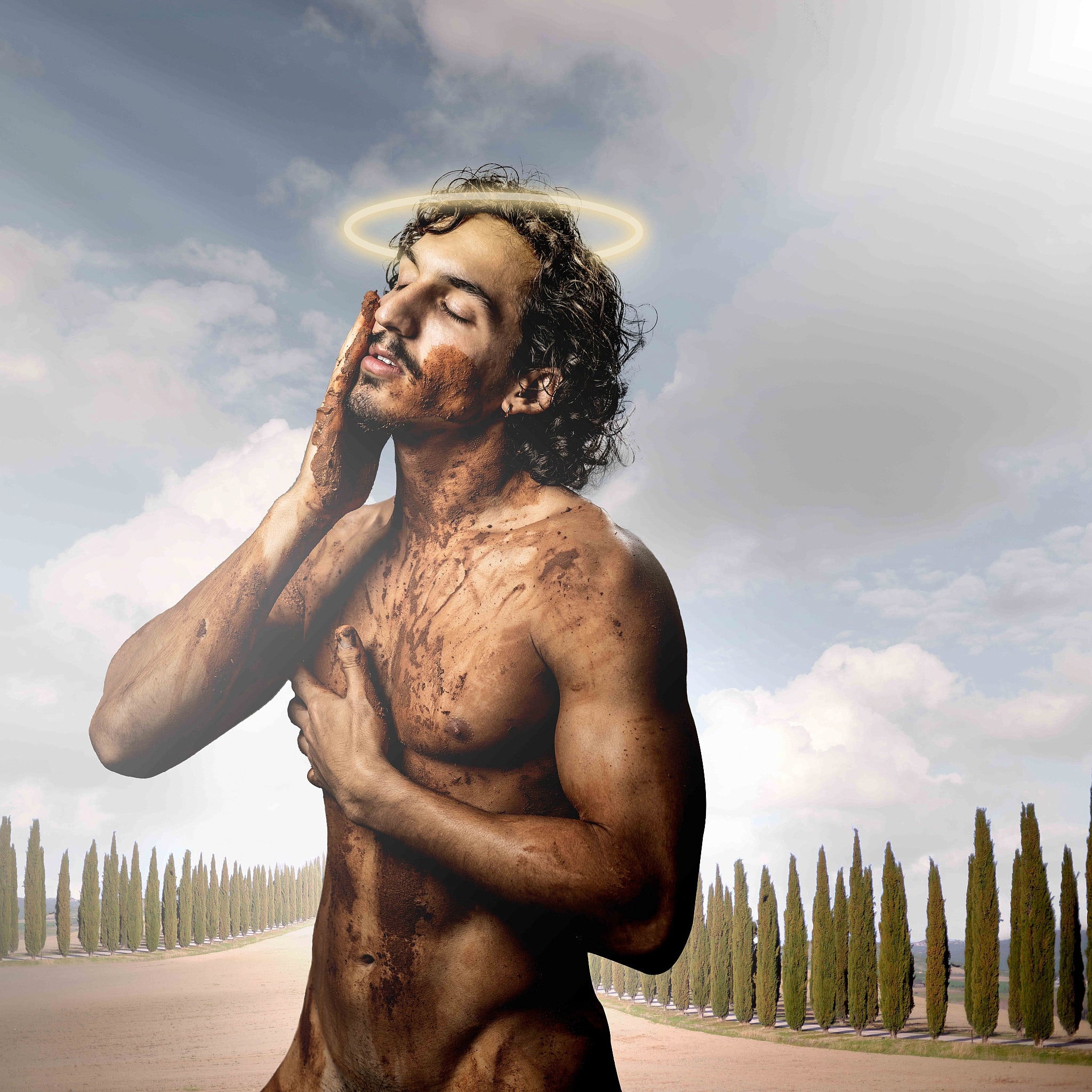
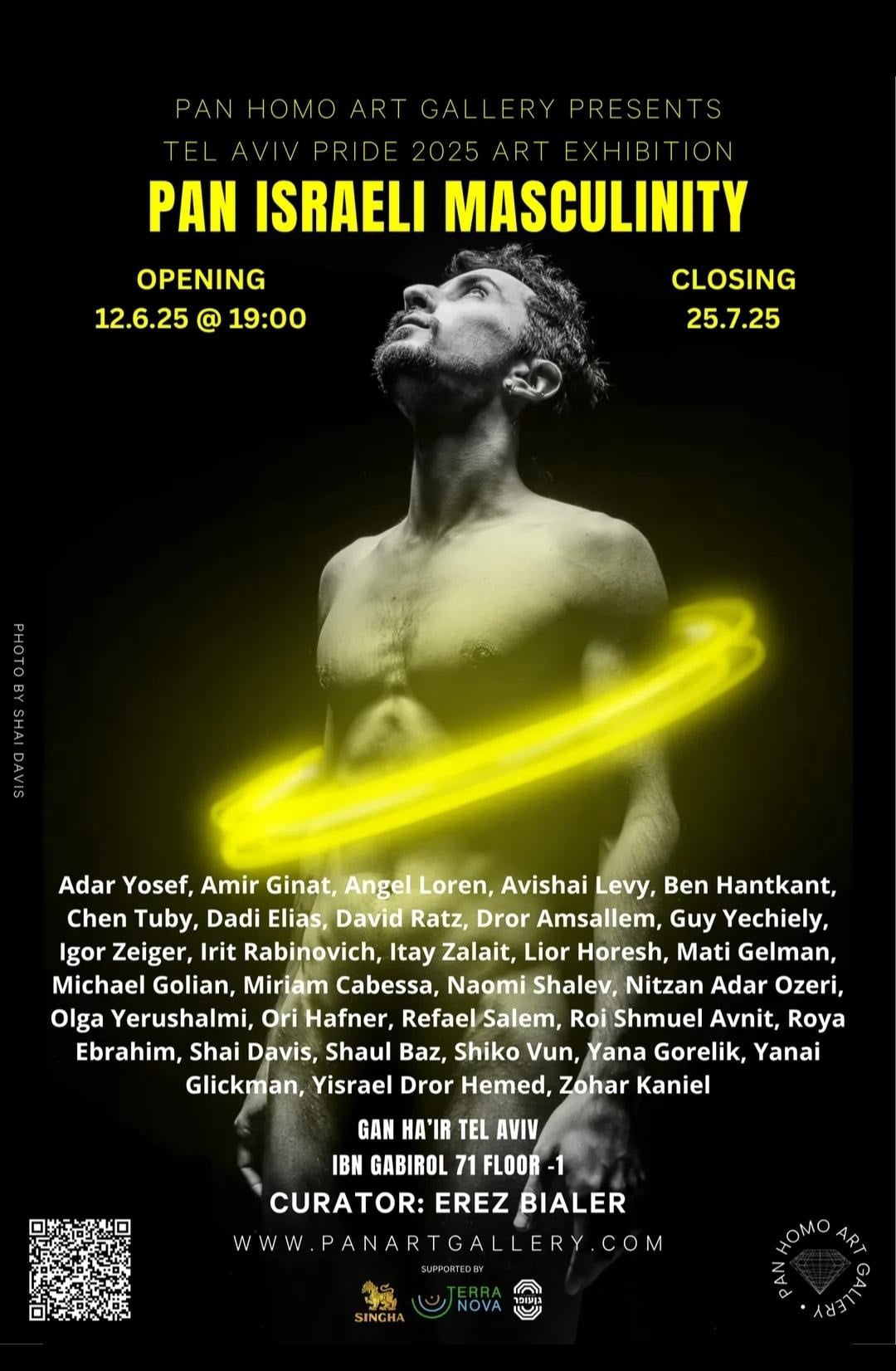
On June 12, 2025, just hours before missiles would begin to fall and the 12-Day War with Iran would plunge the region into chaos, a quiet but revolutionary event unfolded in Tel Aviv: the opening of “Pan Israeli Masculinity,” a bold new exhibition by the Pan Homo Art Gallery, launched during Tel Aviv Pride 2025. This isn’t just another gallery show;it’s the only gay art exhibition space in the entire Middle East.
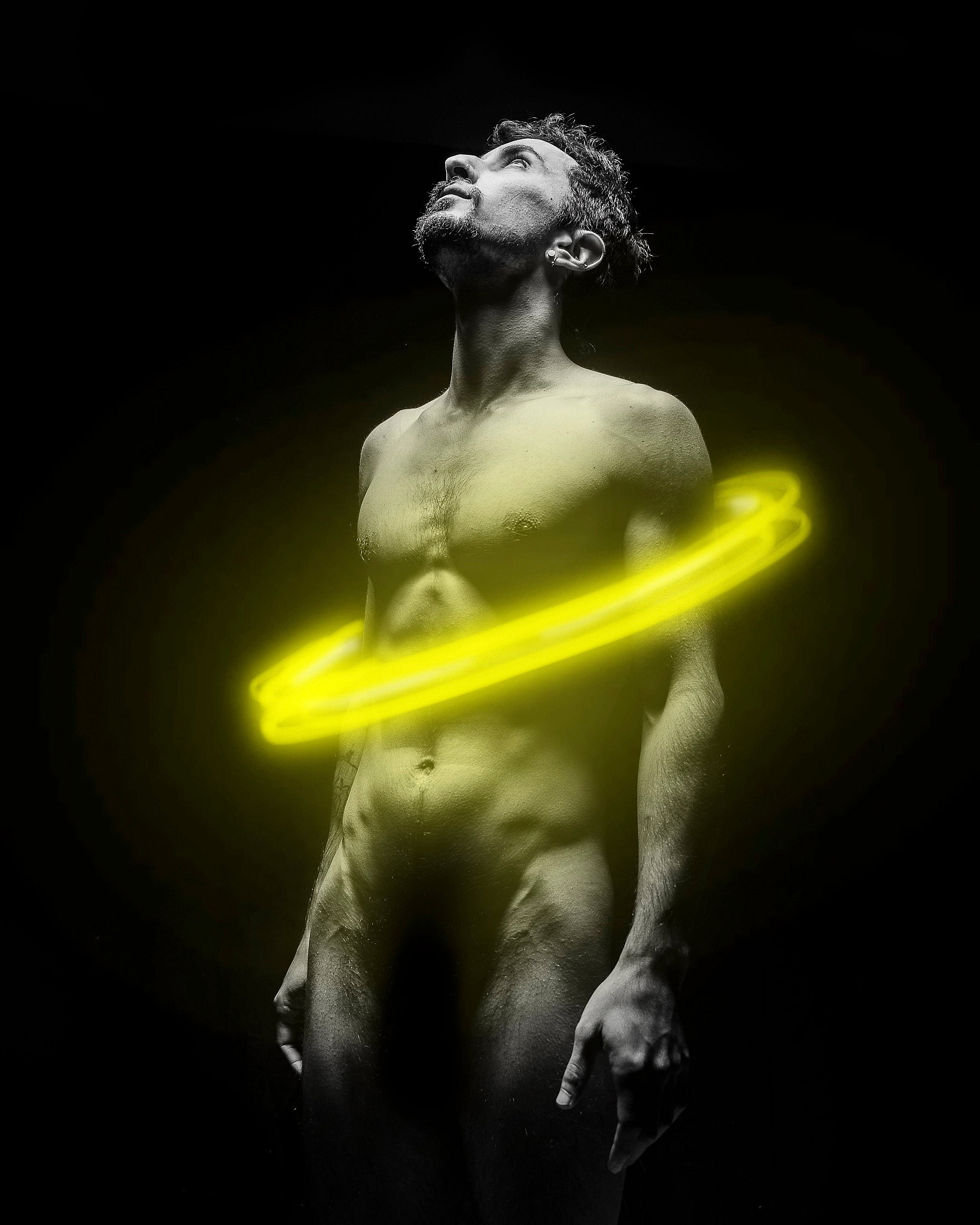
In a region often defined by red lines, repression, and rigid social norms, the Pan Homo Art Gallery stands defiantly and proudly as an outlier. Nestled in the beating heart of Tel Aviv; a city that has long served as a cultural and LGBTQ+ beacon; the gallery offers more than just wall space. It offers visibility. It offers resistance. It offers hope.
Walking through the exhibition on opening night was a surreal experience. The walls echoed with narratives of heartbreak, sensuality, exile, joy, and an aching desire to be seen. From installations made of military textiles and drag regalia to deeply personal photography rooted in Mizrahi and Arab-Jewish queer identity, every piece felt like a political act; even when it wasn’t intended to be. That’s the paradox of queer art in the Middle East: it is never just aesthetic. It is survival. And sometimes, survival is the most radical art form of all.
This exhibition did not take place in a vacuum. Israel is still reeling psychically and socially from war. Sirens, shelters, shattered glass, and geopolitical dread linger like smoke in the national consciousness. The 12-Day War with Iran left a deep imprint on daily life and cultural momentum. It would have been understandable, even expected, for the gallery to postpone. To wait for “a better time.”
But queer life rarely affords the luxury of waiting.
Instead, Erez Bialer, founder and curator of the gallery, pressed forward. His decision wasn’t just logistical; it was ideological. Opening an unapologetically gay exhibition on the brink of another regional conflict was more than bold. It was emblematic of an ethos that has always defined queer resilience: the refusal to vanish. The insistence that art, identity, and defiance must exist; even under the threat of rockets.
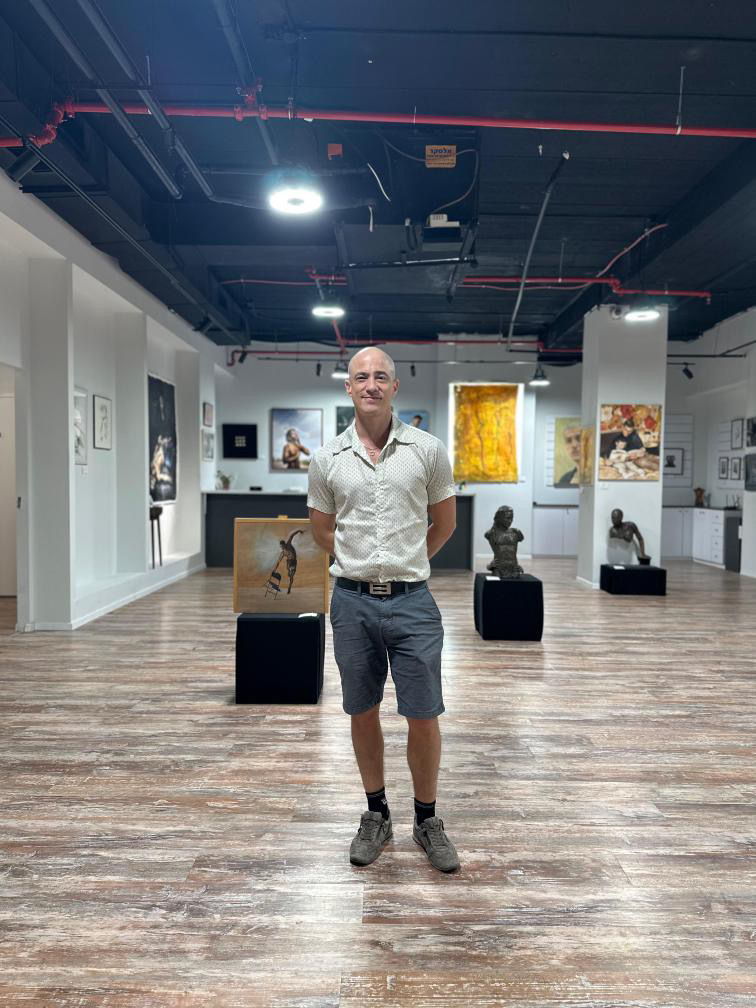
“I’m just living my life as a gay man who admires the arts in the only gay city in the Middle East,” Bialer told me. “That alone creates change.” But he admits the weight of this role is heavy. “The political climate is challenging. The responsibility is difficult. And yet, when I see how people; especially older Tel Avivian gays react to this gallery, I know it’s worth it. We’ve put a spotlight on gay male art in a way that has never been done before.”
That spotlight came at a cost. “That afternoon, as we were still hanging the works, 200 people came through the doors,” Bialer said. “A lot of art was sold that night. But once the war began, the streets emptied. For twelve days, no one left their homes. The energy hasn’t quite recovered since.”
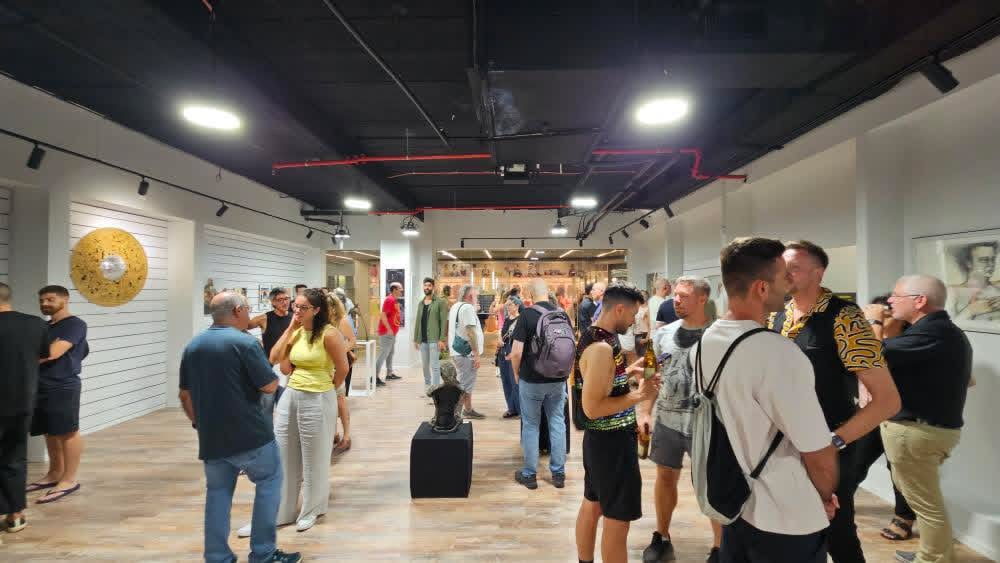
And still, the gallery remains open.
Pan represents a cultural evolution decades in the making. “Gay art in Israel has been around since the 1980s; Moshe Galeson and a few others explored it, often through military imagery,” Bialer explained. “But it was always coded. Full of insinuation. Never direct. Now, at Pan, the art is explicit. It’s unapologetically gay.”
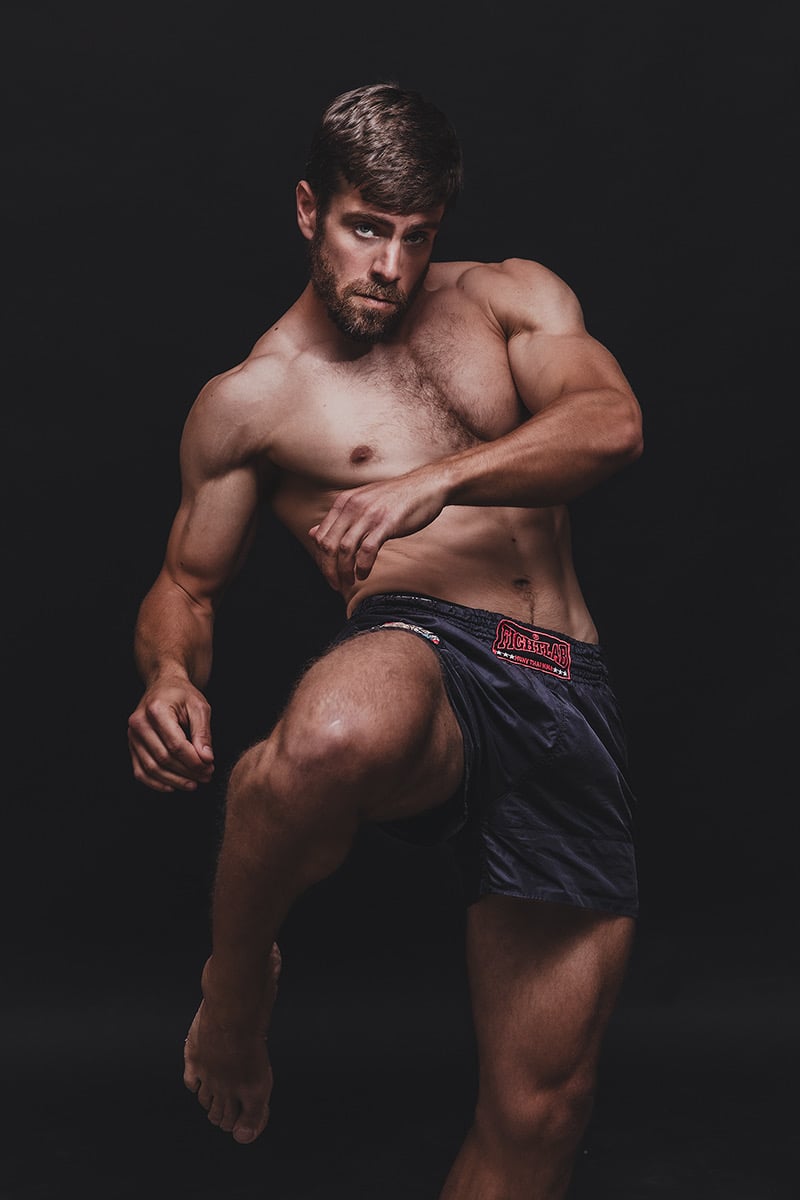
That visibility, however, still provokes discomfort. “Art buyers tend to be conservative,” he said. “Queer art has always been on the cultural front lines, but it had to hide in plain sight. We’re done hiding.”
The curatorial choices for “Pan Israeli Masculinity” reflect that defiant clarity. In the wake of October 7th and the prolonged trauma that followed, Bialer sensed a cultural and emotional shift. “So many Israeli men; gay and straight; lost businesses, lost work, were drafted into war. Their sense of masculinity was disrupted. I wanted this exhibition to reclaim space for our grief, our bodies, our eroticism, and our pride from a gay male perspective.”
Yet the exhibition isn’t exclusive to gay artists. “It features lesbian and straight contributors as well,” he noted. “What unites them is their commitment to portraying Israeli masculinity with honesty, vulnerability, and complexity.”
The road to Pan wasn’t easy. “For four years, we tried to host exhibitions in rented venues,” Bialer said. “But the explicit nature of the work often got us censored. That’s what drove me to open a private space; so we could finally control our own narrative.”
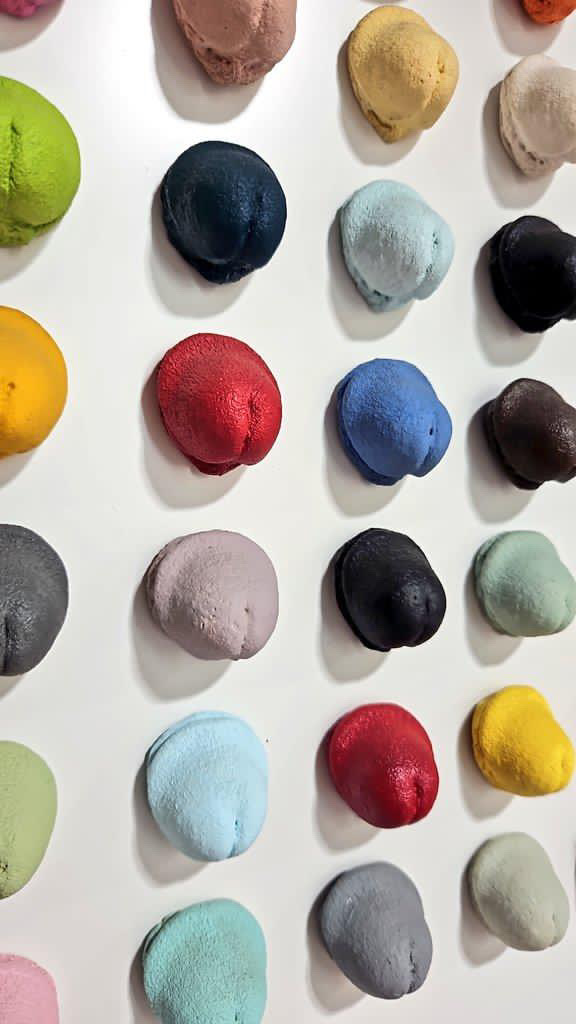
That narrative is not without friction. “People ask me: why do we need a gay gallery? A gay magazine? Gay hotels?” he said. “But being gay is a culture. We have our own symbols, language, gestures, and art. If we don’t create and protect our spaces, we risk erasure.”
For Bialer, Pan isn’t just a gallery—it’s a mission. “We need art to sustain our community. This space exists to provide that home.”
When asked about the future, Bialer doesn’t hesitate. “I would be thrilled to open a branch in Ramallah or Gaza. I want to bring this kind of queer art to rural, religious, and difficult places. But there’s a difference. In Jewish spaces, I’d be scolded for showing explicit work. In some Muslim societies, I could be killed.”
And yet, solidarity remains central to his vision. “We feature Arab artists on our website,” he said. “They have no other outlet to display this kind of work. We have to make space for everyone.”
One standout contributor is a Persian-Jewish woman whose haunting oil-on-paper portraits of Israeli gay men are tender, reverent, and deeply intimate. Her work, like much of what hangs on Pan’s walls, is proof that queer art in Israel is not only alive;it is thriving.
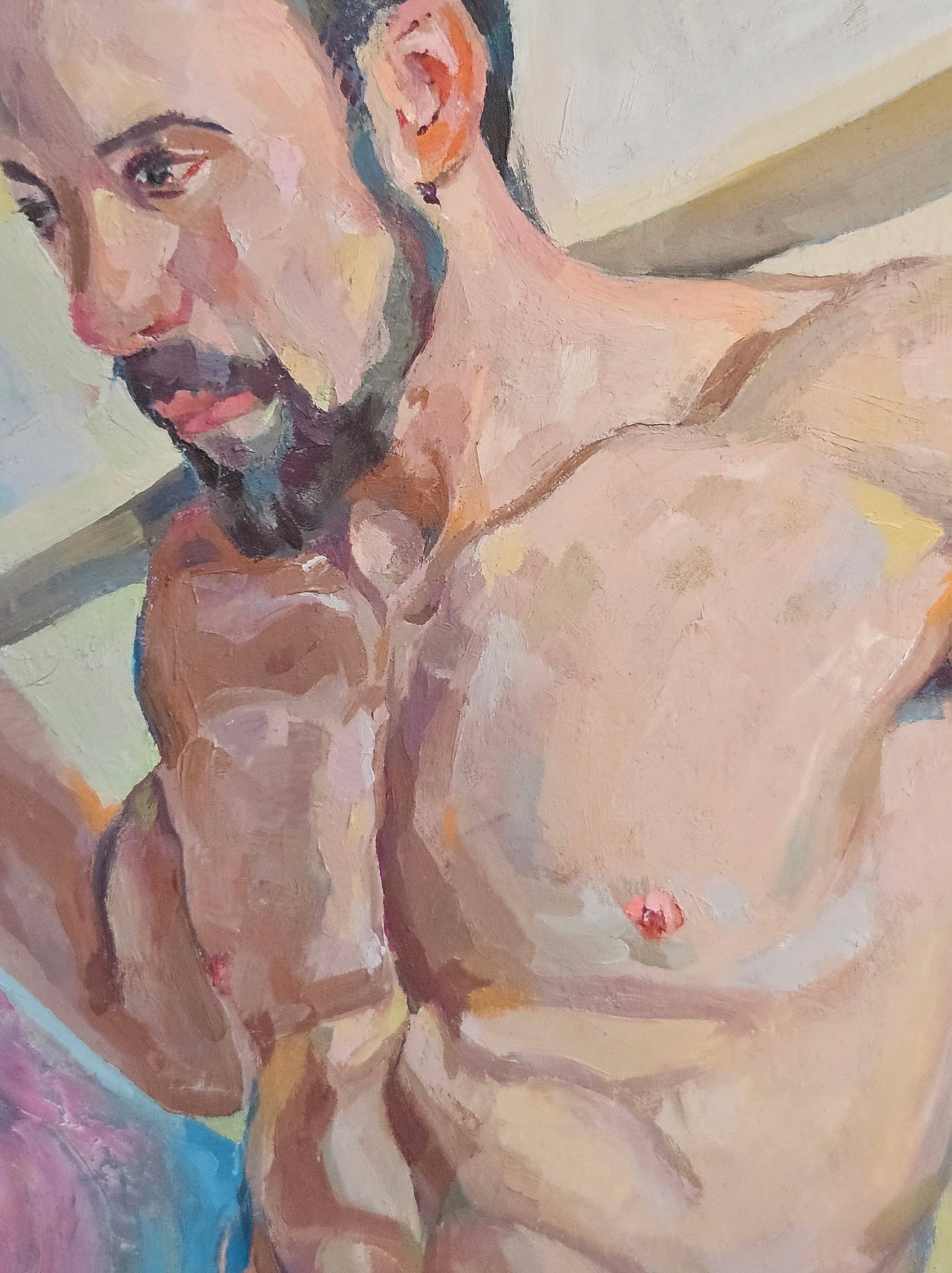
Even in wartime, it refuses to be silenced.
As I left the gallery, I found myself wrestling with deeper questions: What does it mean to create queer art in a society under siege? How do artists transmute trauma into beauty, resistance, and representation? And what responsibility do cultural institutions bear when they are the only ones of their kind across an entire region?
It’s easy to romanticize gay life in Israel; Tel Aviv Pride, sun-drenched beaches, parties that never end, global headlines. But this exhibition urges us to look deeper. LGBTQ+ expression here exists within layers of contradiction: compulsory military service, family expectations, religious tradition, constant external threats, and an ever-present tension between visibility and vulnerability.
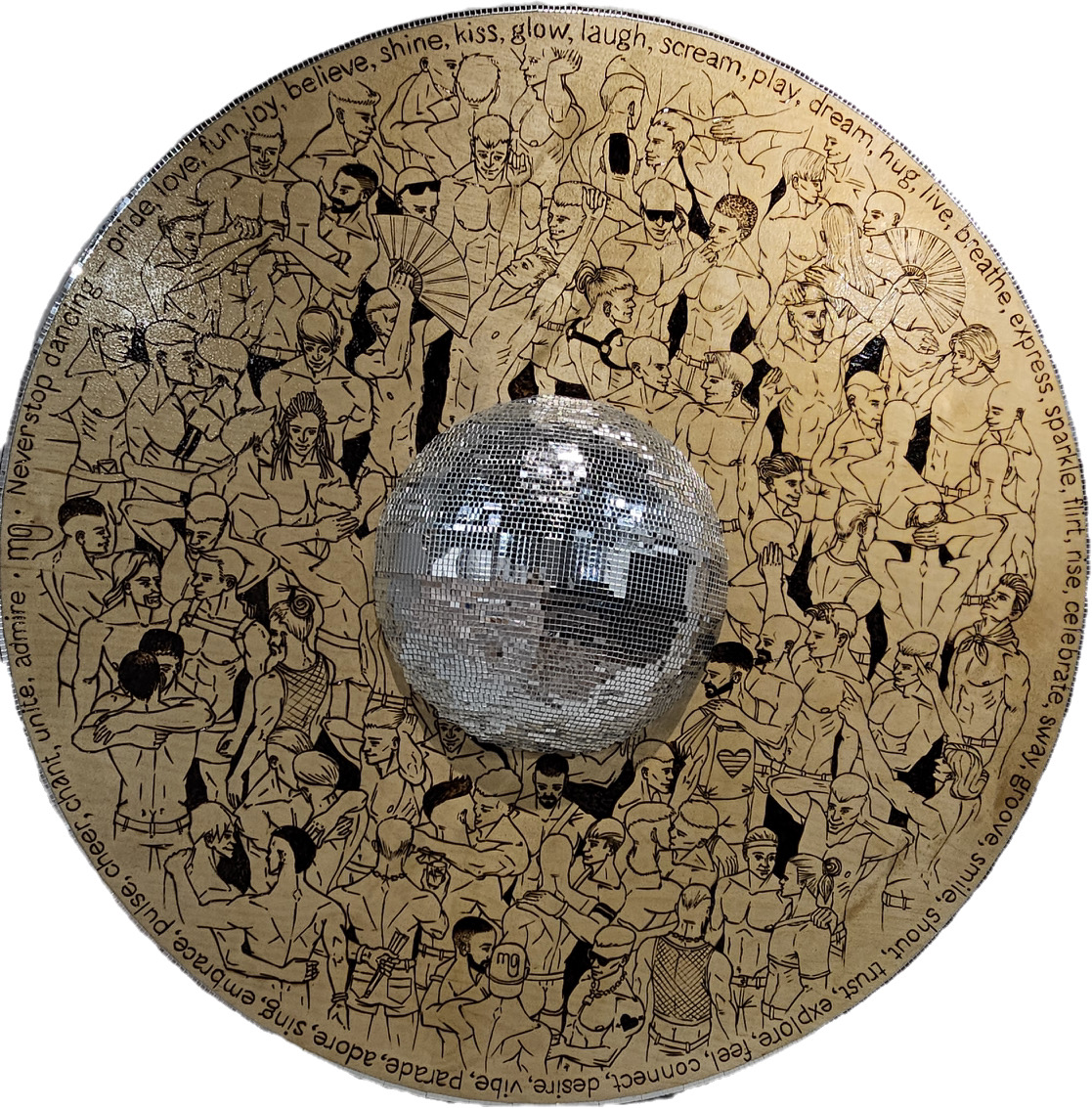
Pan Art Gallery is not a passive institution. It is an active intervention. It dares to imagine queer life not just as tolerated, but as celebrated. Not just in Tel Aviv but one day, perhaps, in Ramallah, in Cairo, in Beirut, and in Tehran.
In that sense, “Pan Israeli Masculinity” is not just about art.
It’s about imagining a different Middle East.
The Pan Israeli Masculinity Exhibition was made possible through the generous support of The City Garden Mall, Singha Soda Thai, and Terranova;a coalition of brands that recognized the cultural urgency of this exhibition and chose to stand proudly behind it. In a time of fear and uncertainty, they bet on art, on community, and on the transformative power of Gay visibility.
The exhibition has been open since June 12th,2025 and will conclude on July 25th, 2025. For more details please visit https://www.panartgallery.com/?utm_source=TimesOfIsrael&utm_medium=blogpost&utm_campaign=TOIblogpost