
Parshah through the Mediator’s Lens: Devarim
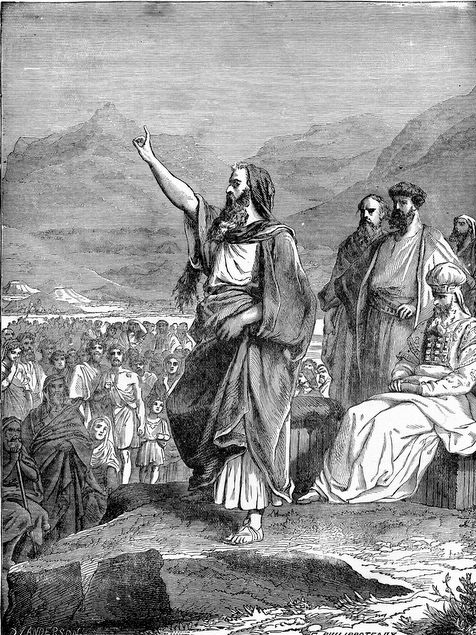
As a Jewish legal mediator, I often turn to Torah not only for spiritual guidance but for timeless wisdom in navigating human conflict. This week’s Torah portion, Devarim, the opening of the Book of Deuteronomy, offers a profound model for conflict resolution rooted in empathy, accountability, and leadership.
A Brief Overview
Devarim begins Moses’ final address to the Israelites before his death. Devarim is not about new laws or dramatic events, but instead Moses recounts their 40-year journey through the wilderness, revisiting pivotal moments: the appointment of judges, the sin of the spies, battles with Sihon and Og, and the consequences of rebellion. It’s a retrospective filled with rebuke, encouragement, and preparation for entering the Promised Land without Moses as their leader.
The Conflict: Revisiting the Sin of the Spies
One of the central conflicts Moses revisits is the sin of the spies. Years earlier, the Israelites requested to send scouts to assess the land of Canaan, showing a lack of trust in G-d. The spies returned with a fearful report, sowing doubt and panic among the people. Their lack of faith led to punishment: an entire generation condemned to wander the desert until it perished. Moses reframes the story to highlight the people’s role in their own downfall. He speaks not just as a leader, but as a mediator preparing his people for transition.
The Mediation Lesson: Accountability Without Shame
In mediation of longstanding disputes, whether among family members, business partners, or litigants, one of the biggest challenges is reconciling conflicting narratives of the past. Each party comes to the table with a version of “how we got here,” shaped by memory, bias, and emotion. Like Moses, the mediator’s task is not necessarily to judge whose version is correct, but to facilitate clarity and accountability in a way that enables forward movement.
Moses doesn’t humiliate the people or linger in blame. Instead, he retells the story with emphasis on choice and consequence. This reframing allows the people to understand their role in shaping their future. In modern conflict resolution, we call this constructive confrontation: the idea that past failures must be acknowledged, but not weaponized.
Application to Modern Practice
In my work mediating complex civil disputes, I often see parties stuck in the past, focused on who made the first misstep. Like Moses, a mediator can guide parties through a careful reexamination of the past, not to assign blame, but to extract meaning. What expectations were unspoken? Where did communication break down? What role did fear or mistrust play?
When parties begin to see their own responsibility in how a conflict unfolded, they become empowered to shape a better resolution. Just as Moses prepared the people to enter the land with a renewed sense of purpose and responsibility, a good mediator helps participants close one chapter and begin the next.
Final Thought: Words that Heal
Devarim reminds us that words can wound, but they can also heal. Moses transforms painful history into a roadmap for ethical living. As a mediator, I also use words to bridge divides, restore dignity, and guide others toward resolution.
Let us speak with clarity, listen with compassion, and rebuke with love—so that even our conflicts become catalysts for growth.
—
Each week, Ari Sliffman, a Jewish legal mediator in Philadelphia, Pennsylvania discusses the week’s Parshah “through the lens of a mediator.” Ari focuses on one or two sections of the Parshah and discuss how a mediator could have assisted with the relevant conflict.