Parshah through the Mediator’s Lens: Va’etchanan
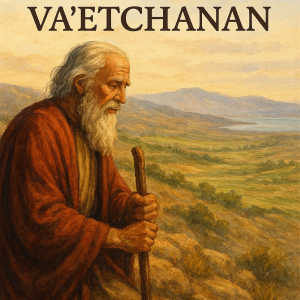
This week’s Torah portion, Va’etchanan, opens with a deeply human moment: Moses pleads with G-d to allow him to enter the Promised Land. After decades of faithful leadership, Moses wants to see the journey completed..
Despite his heartfelt petition, Moses is denied. The answer is final. He is told, “Speak no more to Me of this matter.” (Deuteronomy 3:26) This is not just a theological moment—it is a profound conflict between a leader’s hopes and a boundary set by authority.
The Conflict: Hope vs. Closure
The conflict in Va’etchanan is subtle, but emotionally charged. It is not between two people, but between Moses and his destiny. Moses believes he has earned entry to the land, while G-d maintains that he did not. The tension here is about unmet expectations and the human need for closure.
Moses doesn’t lash out or resist. Instead, he channels his disappointment into leadership and legacy. He turns his attention to preparing the next generation. He recounts the commandments, reminds the people of their covenant, and reiterates the Shema, a central tenet of Jewish faith.
Application to Modern Conflict Resolution
As a mediator, I often encounter disputes rooted not in legal entitlement but in emotional expectations (largely in employment and business matters). A client may feel owed recognition, apology, or justice that another party simply cannot, or will not, give. Like Moses, they face a painful “no;” not for lack of merit, but because the system, the facts, or the relationship will not support a different outcome.
When resolution doesn’t look like victory, it must take the form of meaning.
Here’s how Va’etchanan informs our work:
- Acknowledge the Pain: Moses does not hide his sorrow. Mediators must create space for parties to express their disappointment without judgment. Calling out the loss can be the first step toward healing.
- Reframe the Outcome: Moses redirects his focus to legacy. Similarly, disputants can often find purpose or progress even without “winning.” For example, a plaintiff who doesn’t receive full damages might still achieve systemic change or an acknowledgment of harm.
- Respect Finality: There are moments in mediation where a decision or limitation is immovable due to law, precedent, or policy. Helping parties move from resistance to acceptance can be the most constructive path forward.
- Transition to the Future: Moses prepares Joshua and the people for entry into Eretz Yisrael. In mediation, whether it’s rebuilding trust, crafting a new agreement, or simply walking away with dignity, I help parties develop a path forward towards lasting resolution.
Final Thought
Va’etchanan reminds us that even our greatest leaders sometimes face immovable outcomes. Moses models for us not how to win, but how to move forward when the answer is no. In mediation, that may be the most powerful lesson of all.
—
Each week, Ari Sliffman, a Jewish legal mediator in Philadelphia, Pennsylvania discusses the week’s Parshah “through the lens of a mediator.” Ari focuses on one or two sections of the Parshah and discuss how a mediator could have assisted with the relevant conflict.