
Pass the Ball to the Planet: Why World Cup 2026 Highlights Climate Complexity
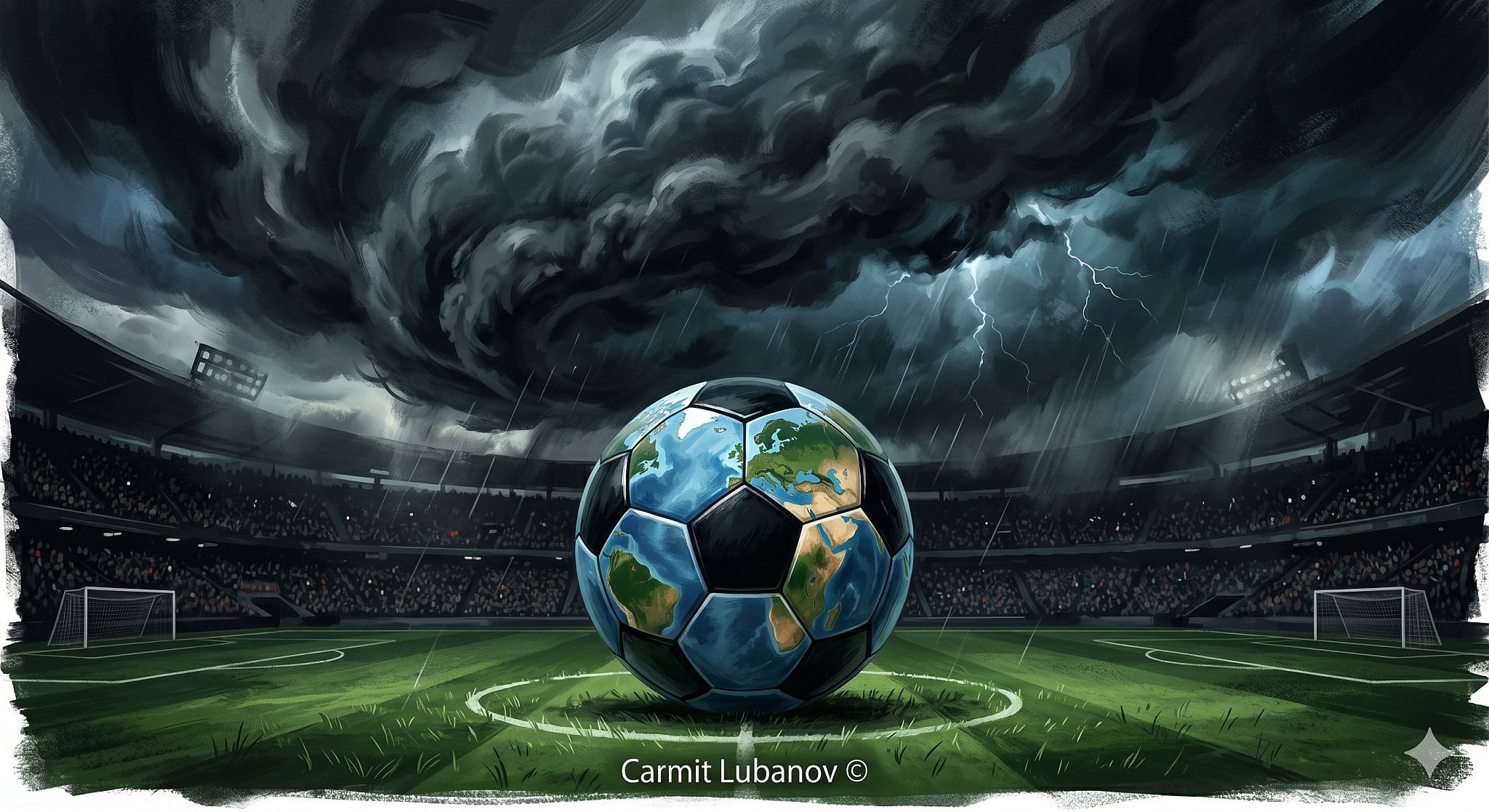
The world is currently transfixed by the 2026 FIFA World Cup. Across the USA, Canada, and Mexico, billions of fans are united by football. But as we cheer, a more profound reality unfolds outside the stadiums. The climate crisis is no longer a distant threat; it is a present reality, and this tournament has become a complex mirror reflecting our global environmental and economic dilemmas.
The numbers behind this year’s tournament underscore the massive scale of modern global events. According to independent climate assessments, the 2026 World Cup is projected to emit between 7.8 and 9 million metric tonnes of CO2 equivalent. This is more than double the carbon footprint of Qatar 2022, largely driven by the structural reality of expansion: with 48 teams and millions of spectators traveling vast distances across an entire continent, travel alone accounts for nearly 88% of these total emissions.
Yet, the intersection of climate and football goes far beyond carbon accounting; it is actively reshaping the game itself. With extreme heat becoming a frequent challenge across North American host cities, FIFA has implemented mandatory three-minute hydration breaks in the 22nd and 67th minutes of matches.
While safeguarding player welfare under extreme weather is a necessary and legitimate medical measure, its implementation highlights a fascinating, deeper structural paradox. Enforcing these breaks uniformly—even inside climate-controlled, roofed stadiums—has drawn scrutiny from analysts and fans alike.
This introduces a complex socio-economic question. By interrupting the traditional, fluid 45-minute halves of football, these pauses naturally create lucrative new windows for broadcasters and advertisers, potentially generating over $1 billion in global advertising revenue. While FIFA leadership maintains that these breaks are strictly operational and do not yield direct financial windfalls for the governing body under existing contracts, the situation illustrates how climate adaptation measures are quickly absorbed into the commercial machinery of global entertainment. It reveals a modern irony: the systemic adaptations required to cope with global warming inadvertently create new avenues for commercial monetization.
This tension shows that addressing climate change in the sports world is not a simple matter of identifying “greenwashing.” Rather, it is about recognizing how deeply intertwined our global cultural spectacles are with high-stakes economics.
However, this immense platform also offers an unprecedented opportunity. Football remains one of the world’s most potent shared experiences. If we can harness even a fraction of the focus, organization, and global solidarity generated by this tournament, we can foster a more mature conversation about sustainability.
If billions of people can unite to celebrate a game, we must use this collective moment to understand the systemic changes needed to protect the global environment we all share. The clock is ticking, and the game is already moving into extra time.