
Political analysis, conflict dynamics & human rights
Political Islam Is Dangerous; The Muslim Brotherhood Should Be Outlawed
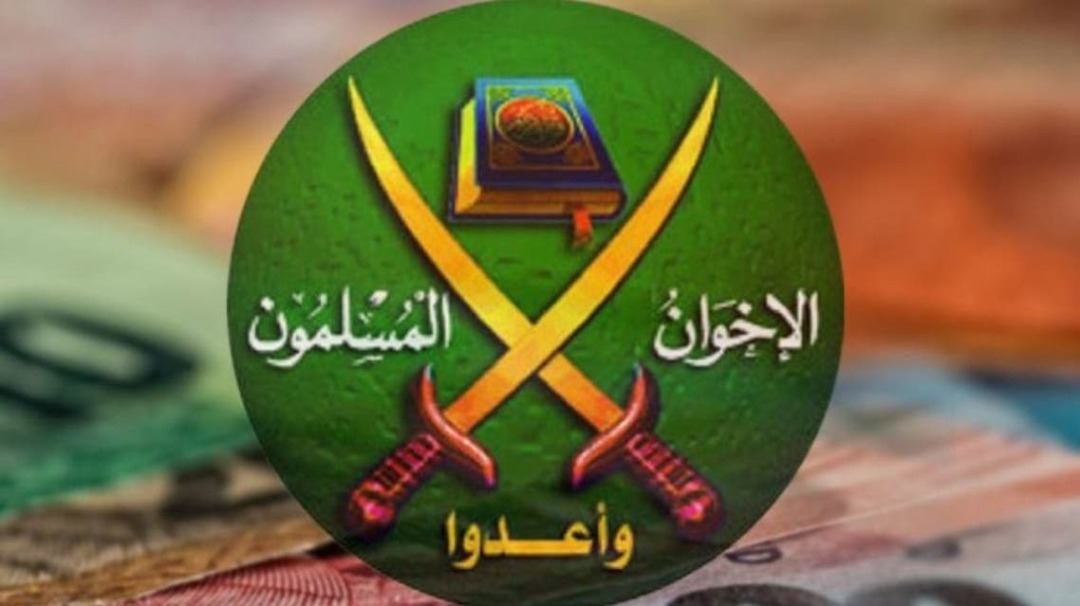
Most of us are familiar with extremist groups such as Al Qaeda, ISIS, Boko Haram and Hizb ut Tahir, and their destructive tactics. However, it is not well known that all of these groups were founded or run by individuals with some connection to the Muslim Brotherhood.
The Brotherhood is a religious-political movement with a goal of replacing Western legal systems with their version of Sharia, which is more brutal than what is practiced in many Muslim nations worldwide. Additionally, the Brotherhood desires a global caliphate with one supreme political and religious leader.
Started in 1928, the Brotherhood became more violent in the 1950s. Its notable theorist, Sayyid Qutb, promoted jihad as a weapon to be used against secular Arab governments. Qutb argued that Muslim societies living under these governments were in a state of jahiliyya, similar to Arabia prior to the Prophet Muhammad. Qutb believed that offensive jihad and killing of secular officials could lead to the establishment of the Brotherhood’s vision, and that those who opposed their ideology were takfirs, or apostates, and therefore legitimate targets.
To achieve their vision for a caliphate, the Brotherhood promotes a gradualist approach to constructing the Muslim individual, family, community, and eventually government or Islamic State. This gradual approach can be viewed as a way to separate Muslim individuals from secular or non-Islamic states and societies.
Al Qaeda, ISIS, and other extremist groups draw inspiration from the Brotherhood’s puritanical interpretation of Islam, such as in Wahabism and Salafism. These orientations believe that Muslims have deviated from Pure Islam and that only a strict and literal interpretation of the Quran and Hadith is acceptable.
The Brotherhood seeks to impose their ideological purity on every aspect of life, including sexuality, economic life, diet, and clothing. Their approach is absolutist and those who criticize their ideology are labelled as heretics. The fear of being labelled as “Islamophobic” has prevented European civil society from adopting a more overtly critical view of the Brotherhood.
Related Topics
Related Posts