
Portugal’s Palestine Recognition Ignites Pro-Israel Protests
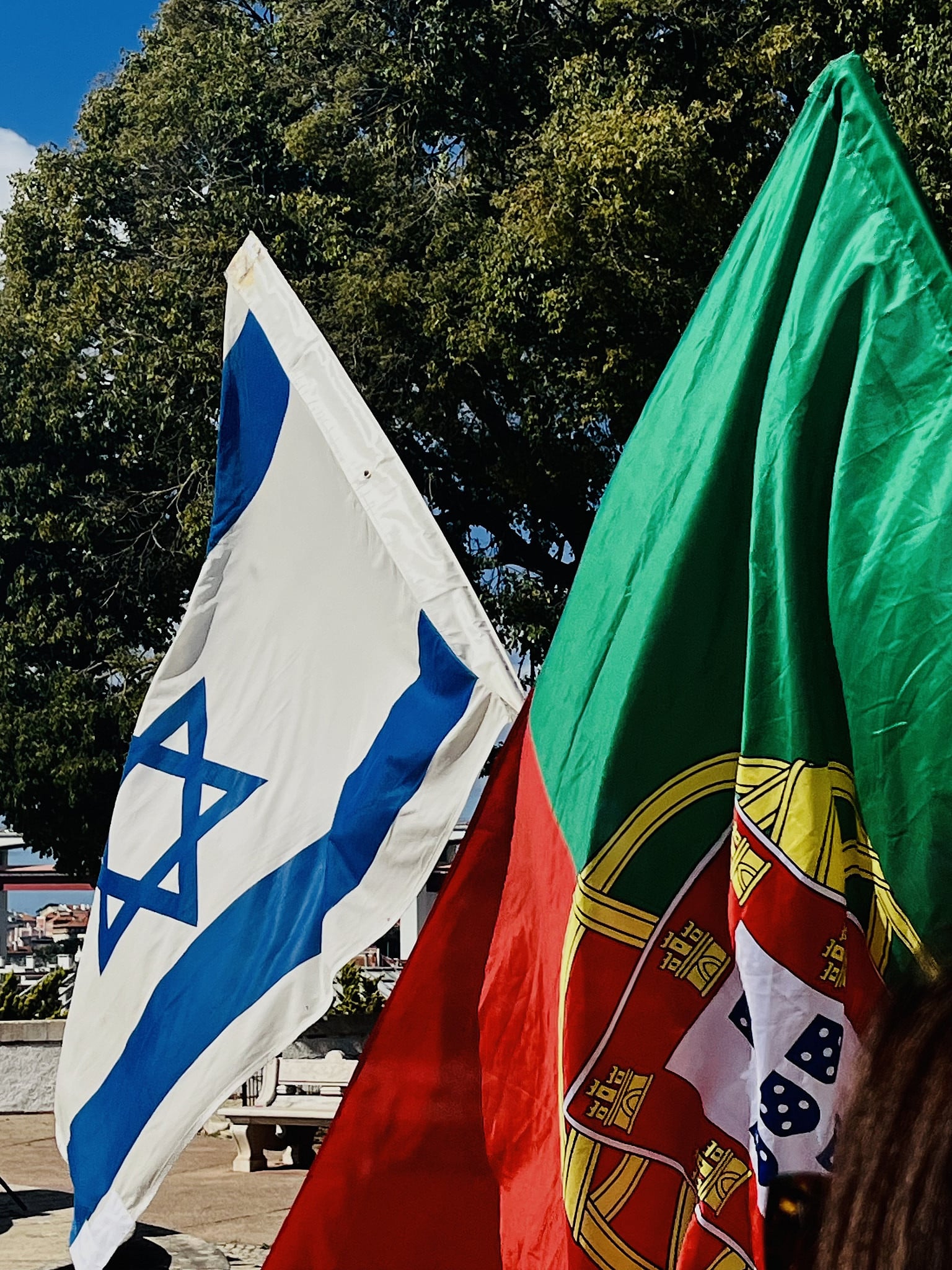
In a move that has ignited widespread controversy, yesterday the Portuguese government officially recognized the State of Palestine, joining Britain, Canada, and Australia in a coordinated announcement that has drawn sharp criticism in the country.
Foreign Minister Paulo Rangel made the declaration in New York, emphasizing Portugal’s support for a two-state solution amid ongoing conflicts in the Middle East.
However, the decision has been met with significant discontent among a majority of the Portuguese population, who view it as a premature and ideologically driven gesture that overlooks key security concerns. Social media platforms, particularly X (formerly Twitter), have become the epicenter of this backlash, with users expressing outrage over what they perceive as a betrayal of Portugal’s historical alliances and a failure to consult the public.
Posts flooded timelines almost immediately after the announcement, decrying the recognition as “shameful” and accusing the government of aligning with terrorist elements rather than promoting genuine peace.
Many highlighted the potential damage to bilateral relations with Israel, a key partner in technology, defense, and economic sectors. One prominent thread of criticism on X came from users who repeatedly labeled the decision as “an act more ideological than pragmatic,” arguing it could be seen as indirect support for Hamas during a time of active conflict.
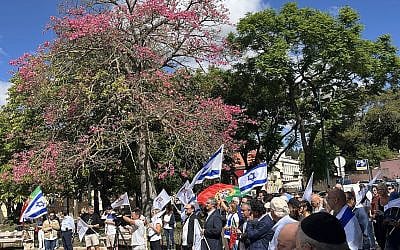
These voices reflect a broader narrative of frustration that the move prioritizes symbolic politics over tangible benefits for Palestinians or regional stability. The discontent spilled onto the streets of Lisbon yesterday, where two pro-Israel demonstrations underscored the depth of opposition to the recognition. In the morning, the Associação Luso-Portuguesa por Israel (ALPI) organized a civic rally in front of the Ministry of Foreign Affairs, drawing participants who waved Israeli flags and chanted slogans in support of conditional recognition tied to peace negotiations. Users on X accused leaders of “saving face” in light of international pressures, including recent UN reports on the Gaza conflict, rather than acting in Portugal’s best interests.
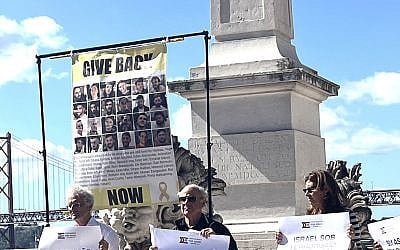
ALPI, known for its advocacy against antisemitism and promotion of Portugal-Israel ties, framed the event as a call for the government to reconsider its stance without meeting essential prerequisites. The afternoon saw a second gathering near the Israeli Embassy in Lisbon, where supporters of Israel convened to voice their dismay at the government’s unilateral action and Oren Rozenblat, Israel’s ambassador, also spoke. Attendees, including local residents and diaspora members, held signs reading “Stand with Israel” and criticized the recognition as hasty and detrimental to Portugal’s international standing. Amid the online furor and street actions, critics pointed to the government’s apparent shift from earlier positions, where officials had deemed such recognition “unnecessary” just months prior.
This perception has fueled a sense of alienation among voters who supported the ruling coalition on platforms promising pragmatism over ideology. Further amplifying the backlash, a group of concerned citizens launched a petition directed at the Assembleia da República, Portugal’s parliament, demanding a formal debate on the recognition decision.
Initiated shortly after the announcement, the petition argues that the government’s move represents a significant policy reversal that warrants parliamentary scrutiny and public input. Organizers emphasized the need to address the potential implications for national security and foreign relations.
Proponents argue that debating the issue in parliament could reveal the lack of consensus behind the recognition, potentially leading to a reversal or at least more stringent conditions attached to future diplomatic engagements.
As debates continue online and in public spaces, the government’s recognition of Palestine stands as a flashpoint, testing the resilience of public trust in Portugal’s leadership.