
Post-War Gaza: Israel’s Chance to Rebuild Image
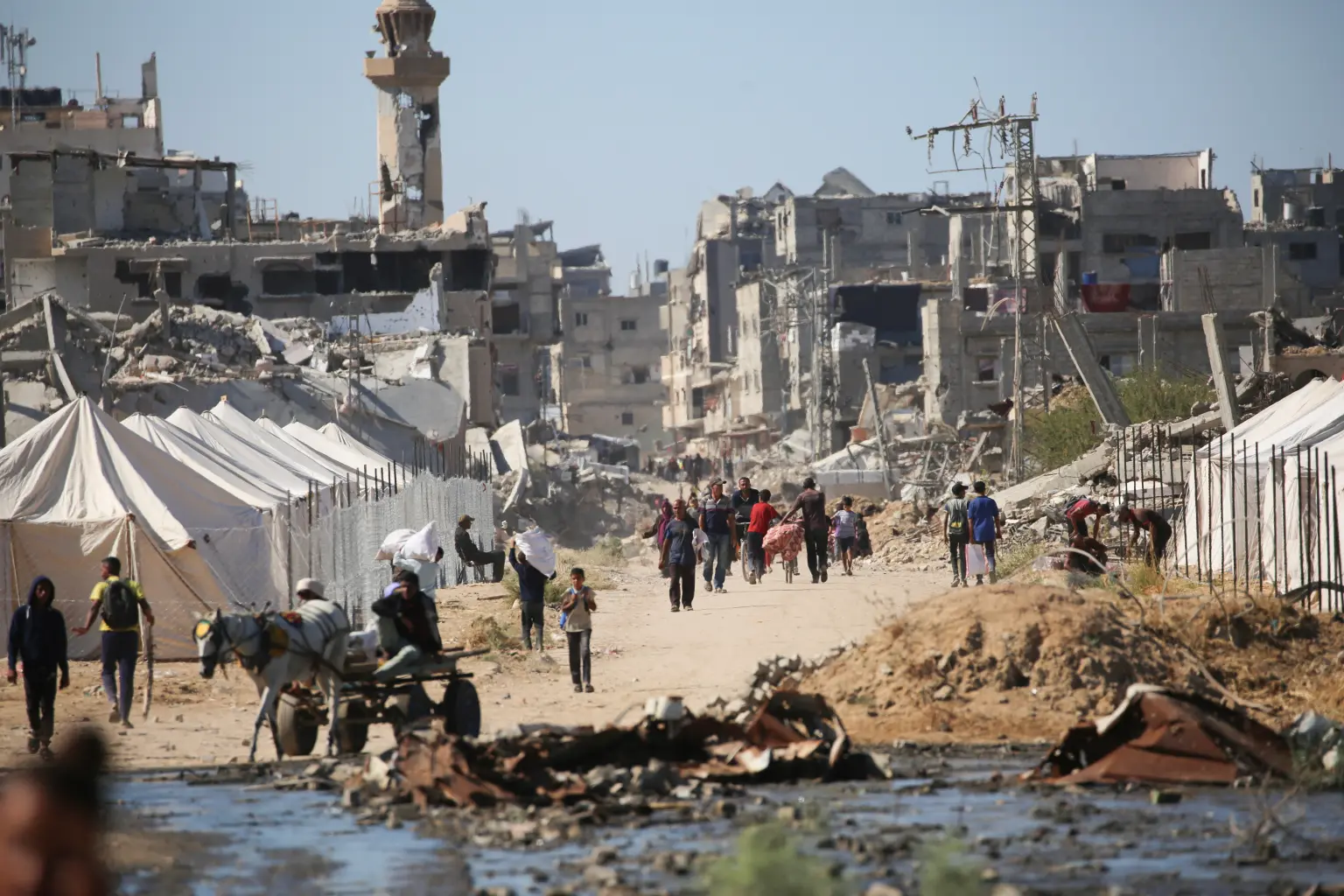
When the Gaza strip becomes quiet, narratives grow louder. As the gunfire fall silent, the world’s attention turns not only to what has been destroyed—but to what comes next.
The ceasefire in Gaza, fragile as it is, offers Israel not only a moment of relief, but also a rare opportunity—to rebuild its reputation in a world that now judges more by perception than by history, and it’s critical for Israel to rebuild its image. The war of last two years changed how the world sees it, long after the smoke has cleared.
On university campuses, social media platforms, and among younger generations across continents, Israel is increasingly portrayed not through the lens of survival or self-defense, but through videos of destruction, filtered through outrage and algorithm. The end of the war does not erase those images, the internet has memory. The silence of artillery does not silence the narrative already cemented online.
A Reputation Built by Deeds, Not by Deals
No campaign, no slogan, no KOL can undo the visceral power of the past years’ imagery. What can change minds, however slowly, is credibility—visible humanity, transparent operation, and genuine outreach to those who are neither friends nor enemies, but simply civilians caught in the middle.
In the coming weeks, Gaza will be more exposed than ever. What they’ll see could define Israel’s reputation for years to come. If Israel wishes to stand not only simply as a victor in war, but as a constructive actor in post-war recovery, its actions must speak louder than any press release.
When the cameras return to Gaza, small gestures from Israel like building makeshift hospitals and schools can alter the moral geometry of how the world sees Israel. This is not about charity or image-washing. It is about political foresight: helping Gaza’s peace-seeking civilians rebuild their lives, thereby reducing the space in which radicalism thrives. Israel’s strategic interest and its moral responsibility can align.
Building a “New Gaza”: From Conflict to Credibility
A realistic start would be to create secure and functioning humanitarian zones—small districts shielded from militias, supplied with electricity, food, and medical aid, and managed with local participation and international supervision. These could serve as prototypes of peace, places where life begins to normalize, where children return to class and markets reopen. Success in one neighborhood could be repeated elsewhere, block by block, creating a living map of progress rather than propaganda.
Such initiatives would do more for Israel’s international reputation than any press statement ever could. They would show that Israel’s strength is matched by compassion, that its commitment to security includes the security of others. The world would see not merely an army that wins wars, but a state capable of mercy and vision.
Rebuilding Gaza is rebuilding hope, peace and the future.
Confronting the Distorted Lens
Still, rebuilding an image requires confronting distortion head-on. Much of the global conversation about Israel today takes place in digital spaces where nuance rarely survives and fact often loses to fury. Israel must therefore invest not in advertising, but in access—allowing independent journalists, credible NGOs, and foreign observers to witness its humanitarian efforts firsthand. Truth, when made visible, travels faster than distorted information.
It is also time for a generational conversation. The young people around the world who grew up watching the war on their phones are forming the next wave of political consciousness. They are not moved by old narratives or holocaust moral questions. They will judge Israel by what it does now, not by what it says.
A Moment That Must Not Be Wasted
Every post-war period carries both exhaustion and opportunity. Israel’s greatest diplomatic sucess will not come from what it defends, but from what it builds—especially if it builds hope, and creates space for peace.
The war may be over, but the digital battle is not. Israel must demonstrate a consistent regard for the lives and dignity of Gazan civilians. In practical terms, that means medical corridors fully open and safe, aid deliveries without diversions, and basic services restored in regions least affected by destruction—preferably under mixed oversight of Israeli, international, and local parties.
Regional Partnerships, Shared Humanity
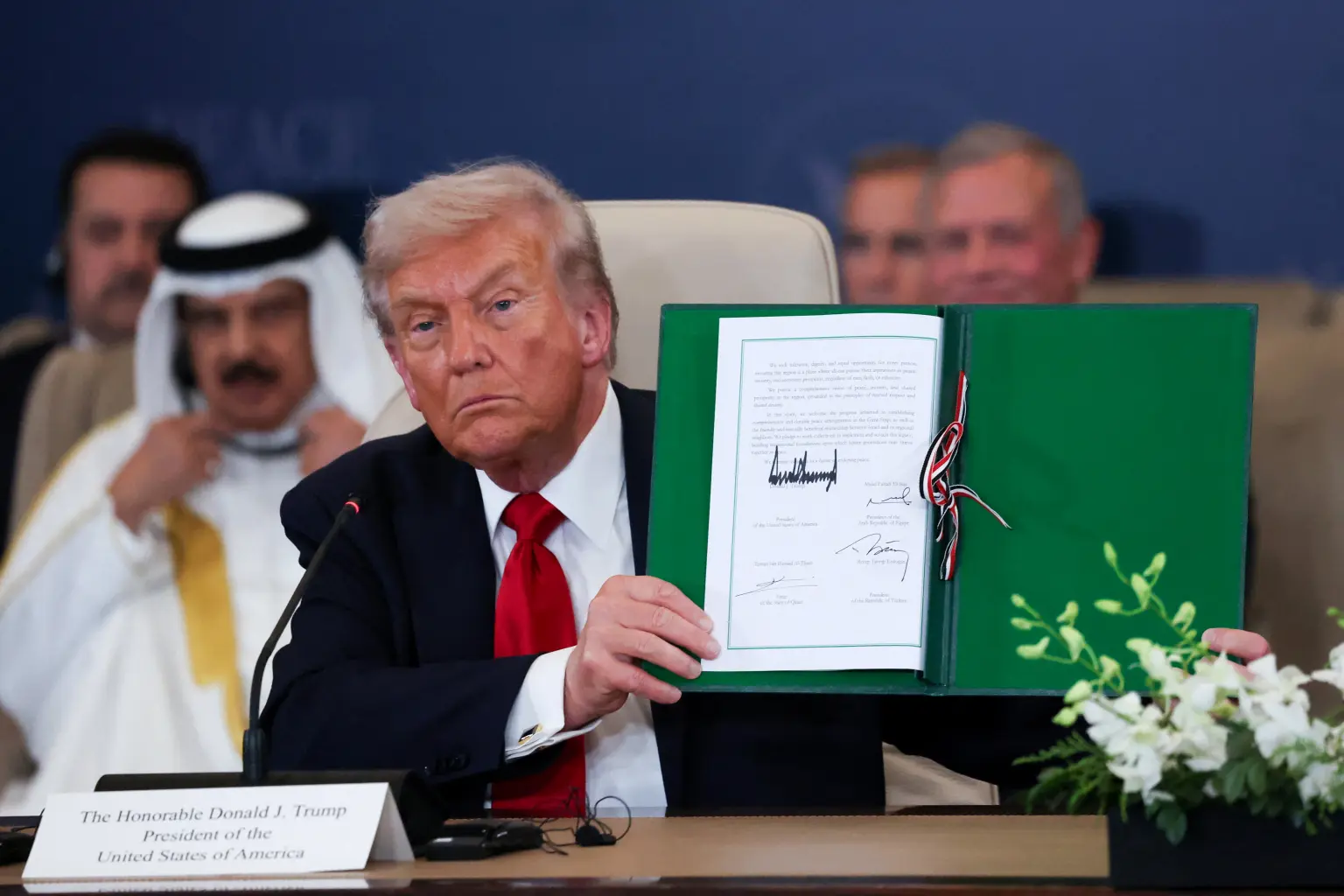
Genuine partnership with regional and global allies is not only the most efficient way to rebuild Gaza, but also the most powerful path to rebuild Israel’s image in the eyes of ordinary people and the international media.
When Israelis and Arabs cooperate openly on humanitarian projects, the symbolism is extraordinary. The UAE, Egypt, Morocco, Jordan, and other Abraham Accords partners can co-sponsor clinics, water plants, housing reconstruction, and solar grids in Gaza. Such collaboration would demonstrate, more vividly than any press statement, that Jews and Arabs are capable of building life together even after the darkest chapters of violence.
For international audiences long accustomed to images of endless conflict, these joint efforts would speak a new language — the language of shared decency and regional maturity. It would show that Israel is not isolated behind walls, but engaged in repairing what war has broken.Israel should make more efforts to bring more partners to join the Abrahamic Accords.
Israel’s universities, hospitals, and start-ups can also serve as quiet ambassadors of hope. Through telemedicine, trauma treatment, renewable energy, and digital education, they can help Gazans rebuild lives while reminding the world of Israel’s unmatched capacity for innovation guided by compassion.
Winning a war on the battlefield may secure borders; winning a war in hearts secures the future. And for that, partnerships built on trust and empathy will always be Israel’s most enduring victory.
Israel has a historic chance to write a new chapter: one in which power does not preclude empathy, and security is defined not by fear, but by the courage to care.