
Presenter Otávio Mesquita visits Jewish Immigration and Holocaust Memorial
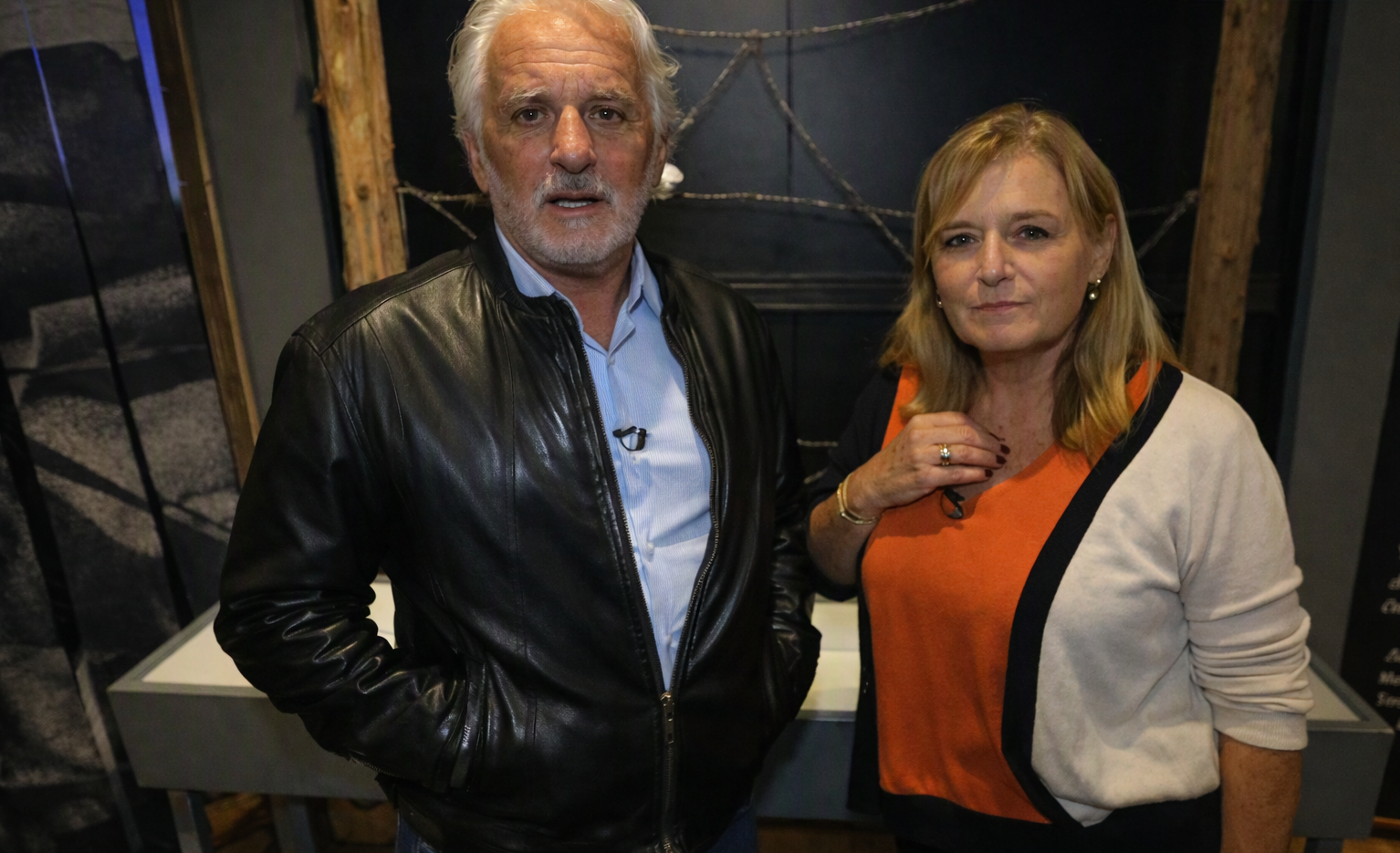
This July, television presenter Otávio Mesquita visited the Jewish Immigration and Holocaust Memorial, located in the Bom Retiro neighborhood of São Paulo. The site, housed in the state’s first synagogue — founded in 1912 — has become one of the most significant centers for preserving memory and educating the public about Jewish immigration and the tragedy of the Holocaust.
Welcomed by the museum’s Coordinator of Education and Culture, Sarita Mucinic Sarue, Mesquita toured the four floors of the permanent exhibition.
Sarue emphasized that the memorial receives between 150 and 300 students daily from public schools in São Paulo and other states, underscoring its vital educational role. She also announced that the Anne Frank Museum, currently under expansion, is expected to open within two to three months, further broadening the memorial’s cultural reach.
Historical and Symbolic Collection
During the visit, Mesquita observed original artifacts brought by Jewish immigrants to Brazil, such as a gilded silver candelabrum from 1798, a silk Talit bag from 1866, and a pair of Tefilin from Frankfurt dated 1915. The collection also includes documents preserved by the Brazilian Jewish Historical Archive, recording the contributions of Jewish immigrants to Brazilian society.
One of the most powerful moments of the visit was the passage through the simulation of the Auschwitz concentration camp. The exhibit meticulously recreates historical elements such as the “Arbeit Macht Frei” sign, cattle wagons used for deportation, and prisoners’ confiscated belongings, among other scenes that portray the horrors of that era. Surrounded by an atmosphere of pain and remembrance, Mesquita reflected:
It’s impossible not to be moved by so much cruelty and suffering.
Stories of Survival and Resilience
Sarue recalled stories of survivors such as Andor Stern, as well as the journey of her own mother, who arrived in Brazil at the age of nine, fleeing Nazi persecution. The story of Anne Frank was also remembered — her diary became a symbol of resistance and remembrance of the Holocaust.
The memorial conveys a central message: the Jewish people’s response to persecution was not violence, but survival — rebuilding families and spreading love. As Sarue highlighted,
Brazil was, for many refugees, a country of refuge and hope.
A Space for Memory and Education
Otávio Mesquita concluded his visit visibly moved, stressing the importance of the memorial as a tool for awareness.
“It is essential that new generations learn this history so that it never happens again,” he said.
Video in Portuguese: