Fighting for Eretz Hakodesh
Protesting or Praying?
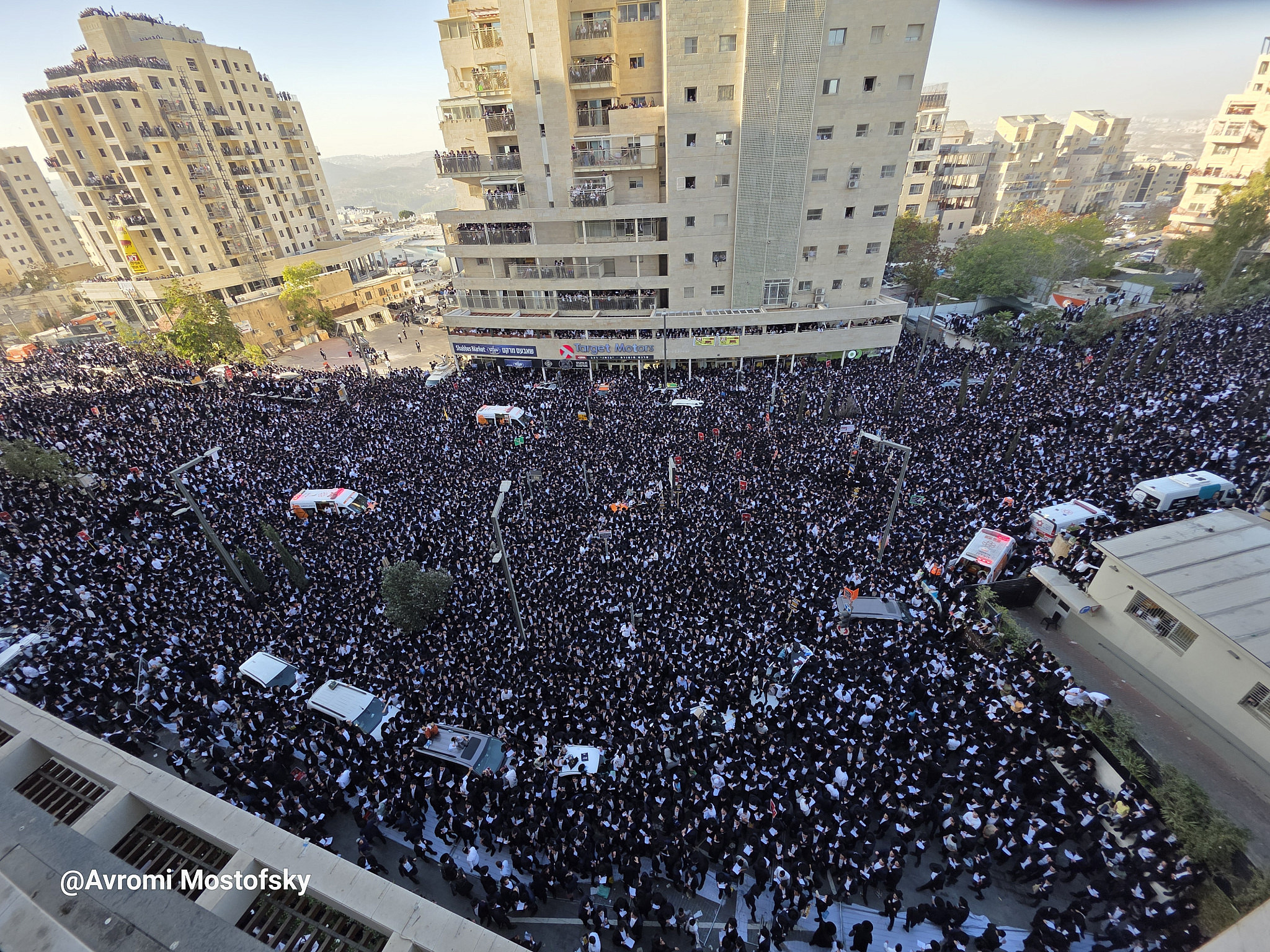
Thousands at the Prayer Rally in Jerusalem. Source: Avromi Mostofsky
While I have quite a bit to say about the 39th World Zionist Congress, that discussion will have to wait. Because the various factions did not reach an agreement in time, the Congress has been extended by up to two weeks. My commentary will therefore come later.
For now, I want to reflect on what happened this past Thursday — what the media and many of the Congress attendees called a “demonstration” or “protest.” In truth, it was exactly what the organizers said it would be: a mass gathering of prayer. Hundreds of thousands of Orthodox Jews came together not to protest, but to pray.
A Gathering of Jews, Not Labels
Whenever I hear the terms “ultra-Orthodox” or “Charedi,” I push back. Thursday’s event reminded me why. There were Jews from every background — Chassidic, Lithuanian, Sefaradi, Hesder students, soldiers, and professionals — all united in prayer. These were Orthodox, G-d-fearing Jews. There is nothing “ultra” about that.
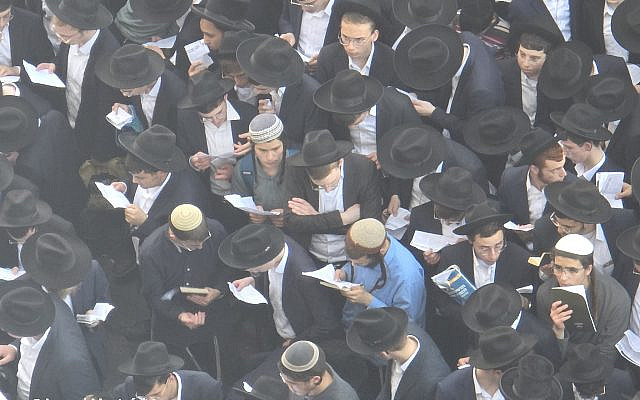
Unbeknownst to us, the hotel in which Eretz Hakodesh was staying became one of the central points of the event and was locked down from about 10 a.m. It was a true privilege to see so many great Rabbis, including the Rishon LeTzion, arrive at the hotel. Knowing it would be a long day, Yehuda Segal of Eretz Hakodesh graciously arranged for us to have a balcony overlooking the scene.
Some in the media grumbled about the anticipated “disturbance.” (To be honest, I didn’t have “locked in my hotel for a day” on my bingo card.) But I recalled the protests during the Extraordinary Congress of 2023, which also blocked streets and caused inconvenience. Democracy — and the right to assemble — isn’t determined by whether one personally agrees with the cause.
Thousands Gathered in Prayer
By late morning, crowds began to gather. Around 2:30 p.m., the area filled completely — a sea of black and white, with splashes of color throughout. The gathering began not with speeches or chants, but with Mincha, followed by Tehillim and Selichos.
Then came the Shema. Hearing hundreds of thousands of Jews cry out “Shema Yisrael” and accept the yoke of Heaven — “Hashem Melech Hashem Malach...” — was an indescribable moment. I don’t know how one could witness it and not be moved to tears.
When the prayers concluded, the crowd dispersed quickly and peacefully. Within half an hour, the streets were almost empty. Yet headlines focused on “violent clashes with police.”
Let me be clear: they were not sent by their rabbis, and none of us in the Orthodox community condone what occurred afterward. I had the misfortune of passing through it — a few dozen rowdy teenagers who lingered and acted out. Their behavior was wrong, but it does not represent the approximately half-million who prayed peacefully.
Sadly, such incidents aren’t unique to one group; we’ve seen similar conduct in protests across the country, including/especially Tel Aviv. That said, what I saw next gave me hope that perhaps the media indeed has it all wrong.
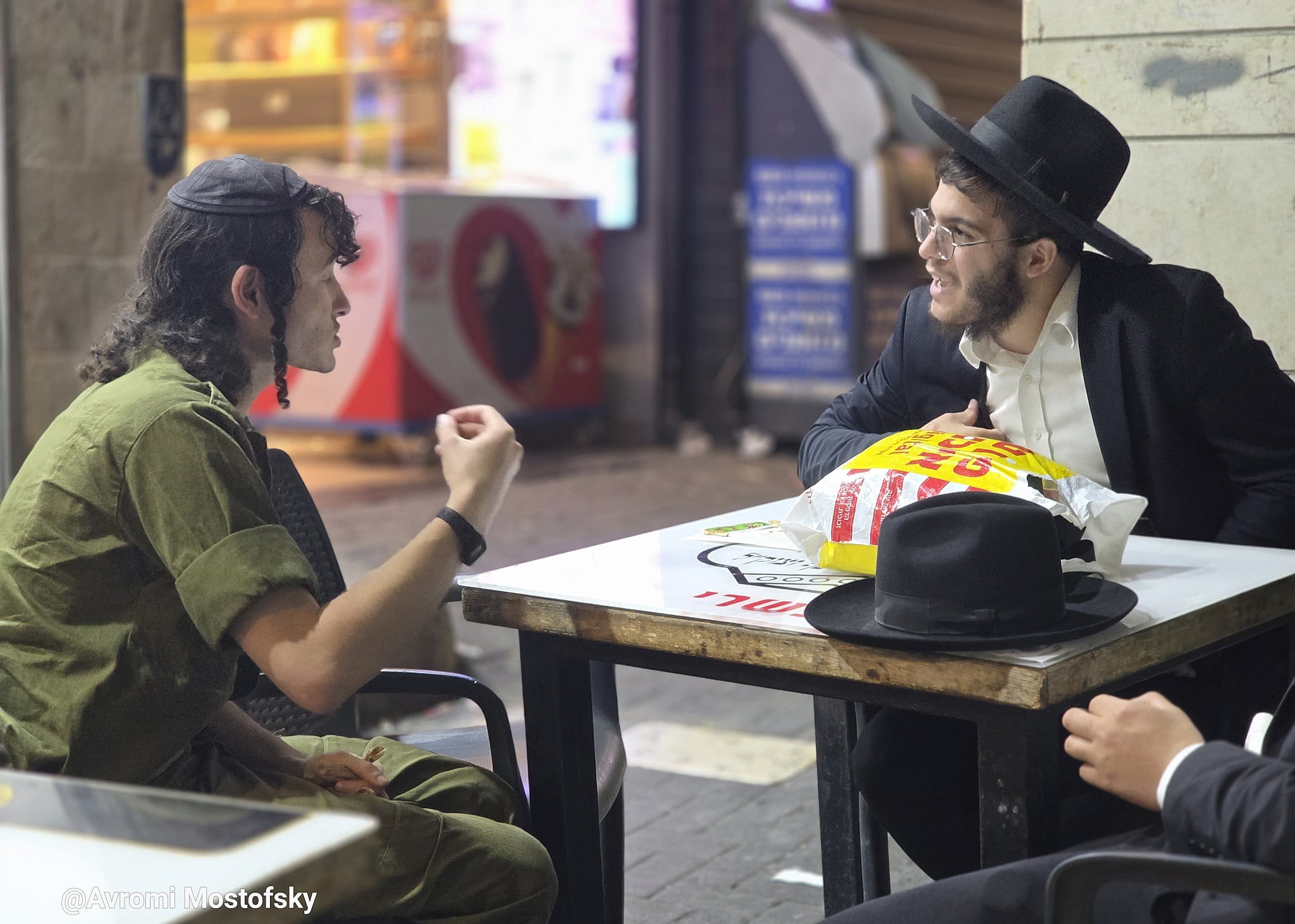
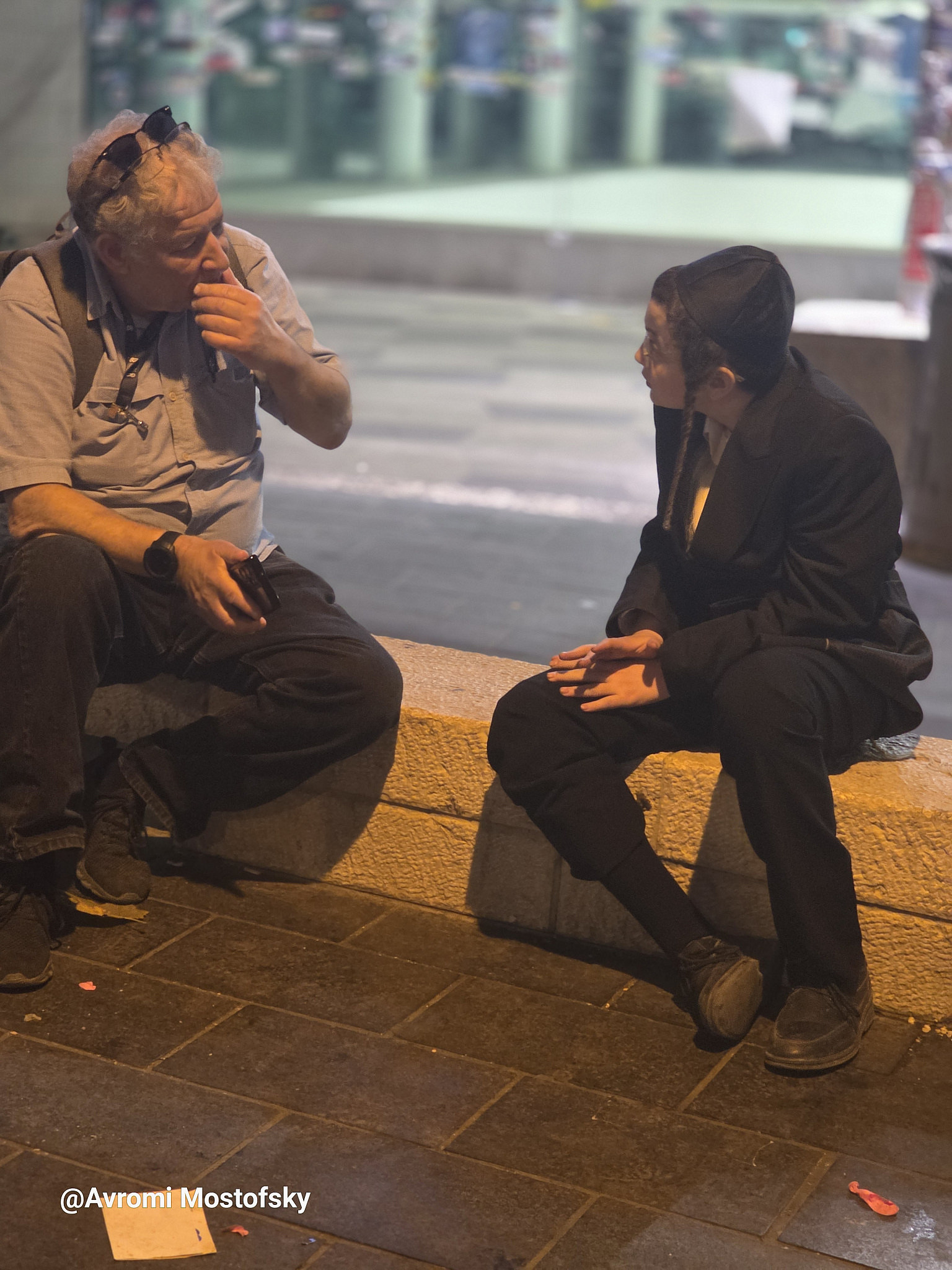
Later that evening, after returning for dinner, I saw something beautiful. A soldier with a kippah and peyot sat with a yeshiva student. They debated passionately about whether serving in the army or in the beis midrash is the greater service to Am Yisrael — but they did so respectfully. Both loved Torah. Both loved the land. Their disagreement came from love, not contempt — the very essence of machloket l’shem shamayim that defines so much of our Talmud.
Nearby, I noticed a young Gerrer Hasid talking with an older secular Israeli man. They were speaking calmly and respectfully— two worlds meeting, not colliding.
-
- A soldier and yeshiva student having a heated discussion regarding the draft.Source: Avromi Mostofsky
-
- Secular Israeli discussing the draft with a young Gerrer Hasid. Source: Avromi Mostofsky
-
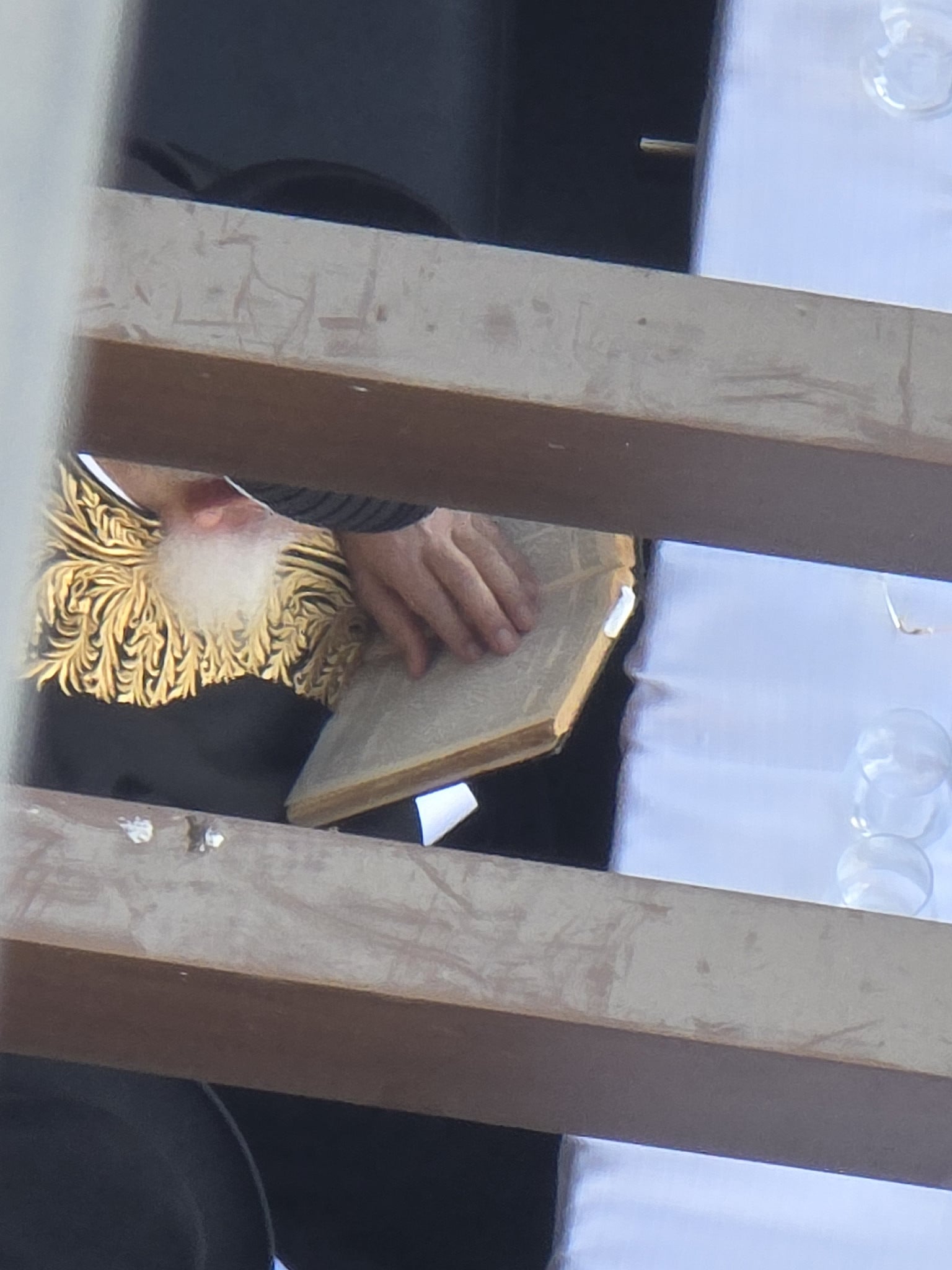
- The Rishon LeTzion, Chacham Yosef Shlita, at the prayer rally. Source: Avromi Mostofsky
-
- Young boy saying Tehillim. Source: Avromi Mostofsky
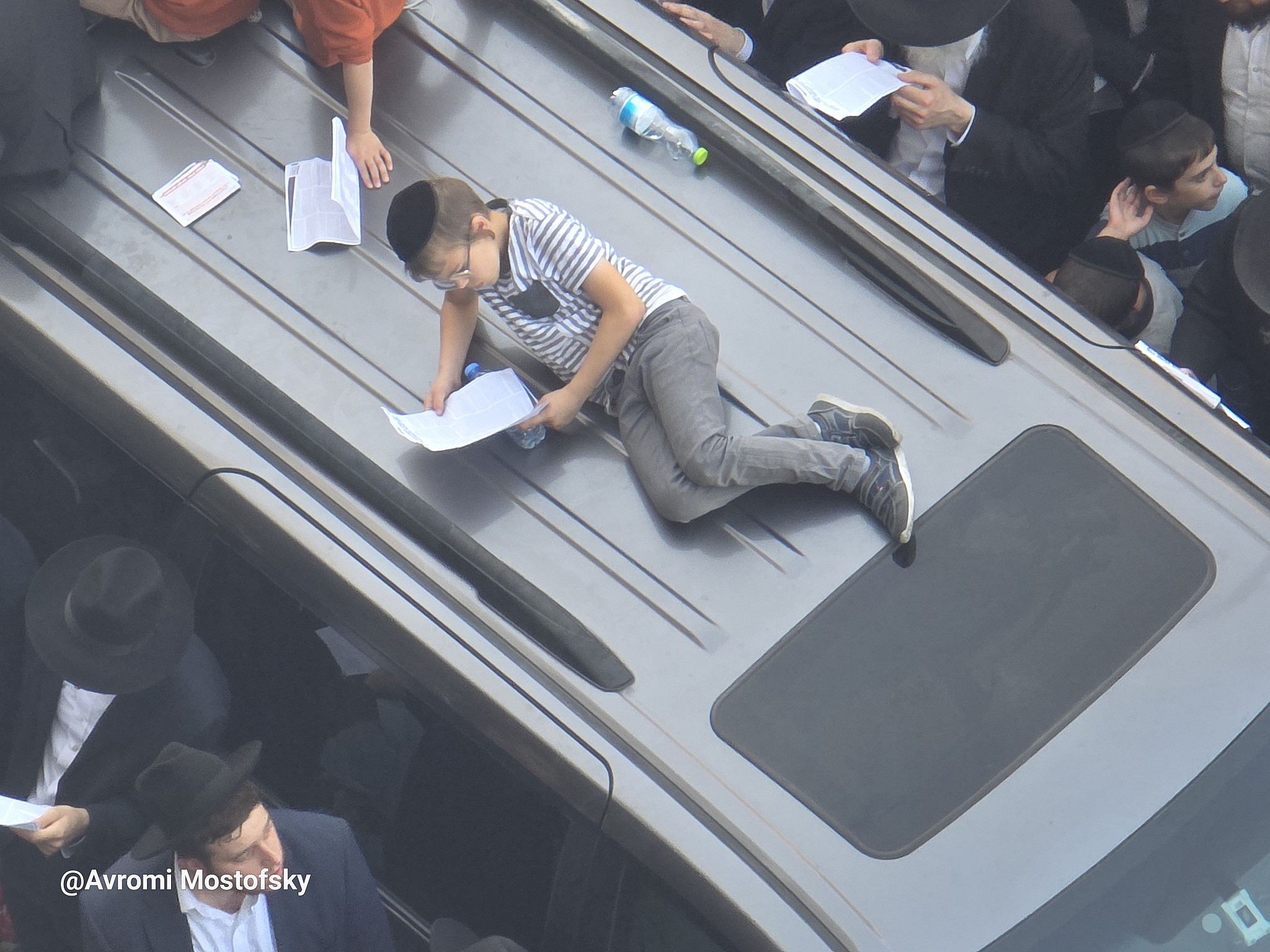
-
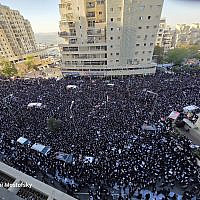
- Partial view of the crowd. Source: Avromi Mostofsky
The Reality Beyond the Headlines
At times, especially during the Congress, it can feel like the Jewish people are fractured — the “ultra-Orthodox” clinging to an outdated world, while secular progressives march forward. But that’s not the reality.
Most secular Israelis respect the religious world, even if they don’t fully understand it. Many are what we’d call “traditional” Jews — people who love G-d, the Torah, and the land of Israel. Visit the Kotel during Elul, before dawn, and you’ll see countless men at Selichos who aren’t observant in daily life, yet come year after year to connect with our shared heritage.
You won’t read much about that unity elsewhere.
I’m not here to take sides in the debate over the draft; my own family members serve in the army. But I do believe this: the Torah community who organized the prayer rally had the right to do so (and we had the right to participate)— and they did it with dignity.
More importantly, this week reminded me how much love and common purpose still bind us together as a people. We may not look alike or think alike, but beneath the surface, most Jews in Israel are not progressives, and we share far more than what divides us.
Related Topics
Related Posts