Israel as a global geostrategic axis
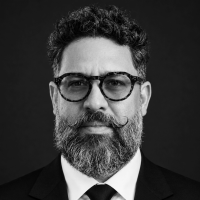
Abdul El-Sayed: The face of extremism through democratic channels
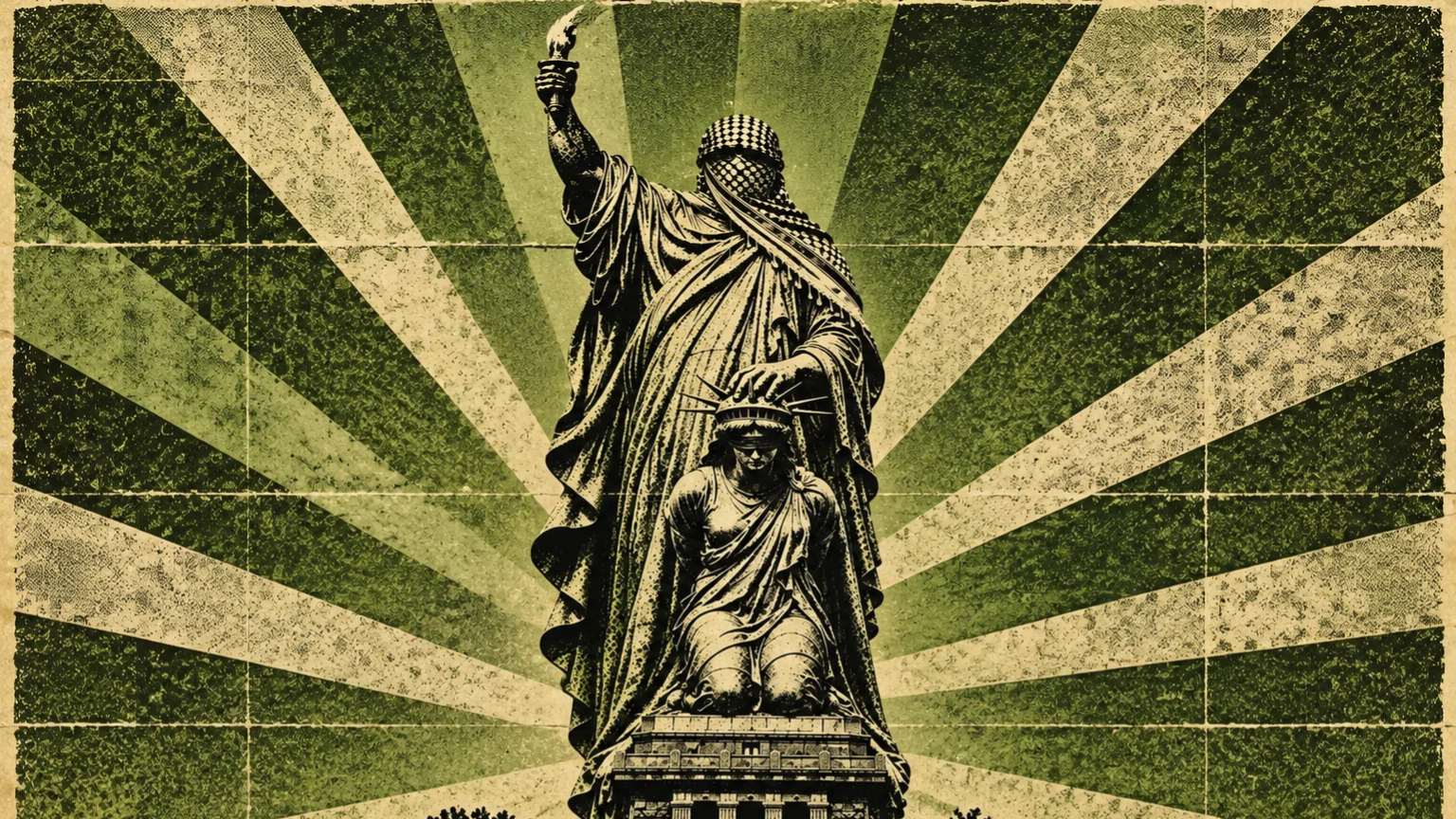
We are facing the death of the West? (AI-generated image)
Terrorist groups have altered their modus operandi to infiltrate and strike the West. No longer do they hurl planes into buildings, as on September 11 on American soil itself — classified as the deadliest terrorist attack ever suffered by the country, operating from the outside in. Today, they exploit democratic channels and the political system to legitimize their invasions and attack from the inside out, a phenomenon already evident across Europe and advancing rapidly in the United States as well.
The materialization of this project is personified in Abdul El-Sayed, elected as the first Muslim senator and cited by critics as being linked to the Muslim Brotherhood, an organization designated as terrorist by multiple jurisdictions. It is worth recalling that, in 2012, the activist signed an open letter endorsing constitutional decrees issued by Egyptian President Mohamed Morsi, a historical figure tied to the aforementioned organization.
The Democrat won the U.S. Senate race in Michigan, becoming the first Muslim to occupy a seat in the upper chamber of Congress. In a symbolic highlight of his victory, El-Sayed chose to deliver his victory speech in Arabic at his electoral rally.
El-Sayed also echoed antisemitic rhetoric in his address, announcing his intention to cut the approximately $4 billion in annual U.S. military aid to Israel. “I don’t think we should continue subsidizing a foreign army that repeatedly uses our weapons to commit terrible acts,” he declared. Going further, the senator questioned the very legitimacy of selling American weaponry to the Jewish state.
The phenomenon observed in the United States echoes a debate that Europe knows all too well. For decades, sectors of the left have forged tactical alliances with political Islam, bringing together groups that now share spaces of power and orchestrate a simultaneous, convergent discourse: hatred of Israel and the systematic destruction of the civilizational foundations that sustain the West.
I have previously addressed this theme while analyzing another political figure who embodies this union: Zohran Mamdani, a more visible and institutionalized personification of this paradoxical symbiosis on the New York political scene.
Europe and the United States thus bear witness to the new face of this geopolitical chessboard, grappling with acute tensions surrounding migration, cultural integration, and religious radicalization. Such political actors reignite the crucial debate over the perils of the convergence between sectors of the progressive left and political Islam, as well as its deleterious consequences for the West.
Yet the West is already reaping the bitter harvest of decades of this extremist ideological union — one that operates and entrenches itself by exploiting the very guarantees and institutions of democracy.
Shema Yisrael שְׁמַע יִשְׂרָאֵל
Related Topics
Related Posts