Purim: Joy and Light in the Midst of War
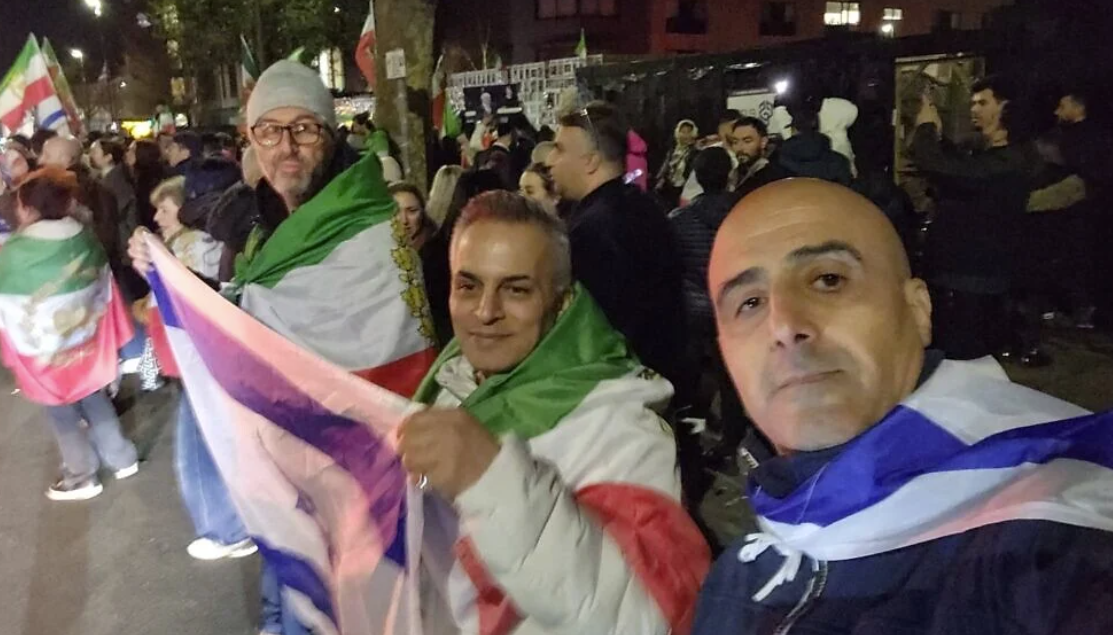
There can be no one who does not see the coincidences of the timing of this latest round of war with Iran and recent events and our Purim festival. For what is the story we tell on Purim? We are introduced to a people that is at first divided and therefore vulnerable to an attack.[1] We read of a genocidal minister of the Persian government, who creates an international coalition to destroy the Jewish people. At that moment, as Mordechai cries through the streets, Esther and the people are awakened to the fact that however they try, they remain ‘the other.’ Yet we also experience a surge of Jewish pride and a revival of identity. We see the bravery of Mordechai and Esther who put their lives on the line to intercede. Haman’s delusions of power are turned against him, as he is hung on the tree prepared for Mordechai. The head of the hydra is beheaded himself. Finally, an unpredictable and erratic king supports the Jews to engage in a counter offensive, destroying their enemies. Thousands of Jews gathered and fought for their lives. However, there are other coincidences with our modern story.
In the story there are many ‘dress changes,’ representing the changing status of the characters. Following the palace intrigue which leads to Haman’s execution, we are told that Mordechai is granted the house of Haman, the viceroy of Persia. Then we are told of the city of Shushan, who seem to celebrate the fall of the despot as well. “And Mordechai went out from before the king in royal clothing: sky blue and white, a great golden crown, and a robe of fine linen and purple; and the city of Shushan shouted and was happy.” (8:15) Like the people of Tehran, it seems that the Persians themselves saw a more just order with the rise of Mordechai. In other words, this is not only a victory for the Jews themselves, and perhaps this is why it is one of the verses read aloud.
The next verse is read in unison as well. “There was light and happiness and rejoicing and honor for the Judeans”(8:16). However, the placement of this verse is strange. True, Haman had been executed but the war had not even begun! Why were the Jews full of ‘light and joy,’ knowing dark days are ahead?
To answer this question, we must understand the deeper meaning of the book of Esther. The salvation of the book of Esther is at best partial, for it is a salvation in exile. At the end of the book there is no new world order of justice. Like God’s hidden name, God’s redeemed world remains elusive. It is a world of Achashverosh, and just as Joseph served at the behest of Pharaoh, so Mordechai serves at the behest of a despot.
What has changed in this moment is not the outer reality but the inner reality of the people themselves. While they still needed to fight, in seeing Mordechai in the royal garbs they saw the seeds of redemption for themselves. They lived now in the light of the future salvation, what we might call hope. In Mordechai, they saw that the architecture of evil characterized by Haman was a palace of glass, soon about to collapse. While there would be moments of crisis, the trajectory of history was on their side.
This was the meaning of Mordechai’s words to Esther when he prodded her to go before the king unannounced. He did not assure her victory, for he did not know if his plan would work. However, he did assure her that one way or another, revach v’hatzalah, redemption would come, and that she should therefore act accordingly. In our case as well, the Jews still needed to fight a war, but they were infused with faith and confidence. They now lived as if the redemption had already come. They lived with light- the light in their heart!
Perhaps it is for this reason that upon lighting our Havdalah candles at the end of shabbat, we declare this verse from Esther. “There was light and happiness and rejoicing and honor for the Judeans.” Shabbat represents a ‘taste of the world to come’, an inkling of the ultimate redemption of the world. As we exit the week, we enter a world of darkness and uncertainty. The transition from shabbat to the week is understood to be so sudden that the tradition is to smell spices to revive the soul; our Neshama yeteirah, our ‘extra soul’ is understood to depart. We thus gaze into the eternal light of the Havdalah candle and internalize its message of light. We carry this light with us through the week with the confidence that there will be a time of yom shekulo shabbat, a time when shabbat permeates all existence. Perhaps this is why the Havdalah candle is braided, as we symbolically link one shabbat to the next.
During times of despair and uncertainty, it is understandable to feel fearful and have a sense of unease. Yet our rabbis instruct us to enter the month of Adar and not ‘be happy’, but to be marbim b’simcha, to multiply happiness. Adar should not by nature be a happy month. The machinations of Haman and their ilk are quite sobering, even terrifying. It is for this reason we must double down on light and happiness, like the Jews in Persia, for joy is expressed by people who look forward, are resilient and hold on to hope.
In these days, let us remember who we are and why we are here. We have endured many Hamans throughout history and we will outlive this one as well. Let us carry within ourselves and our people light, joy, rejoicing and honor.
Purim Sameach
[1] According to some commentators, Haman’s words mefuzar um’furad do not mean scattered but divided amongst themselves.