Radiance and Return: Camp and the Essence of Teshuvah
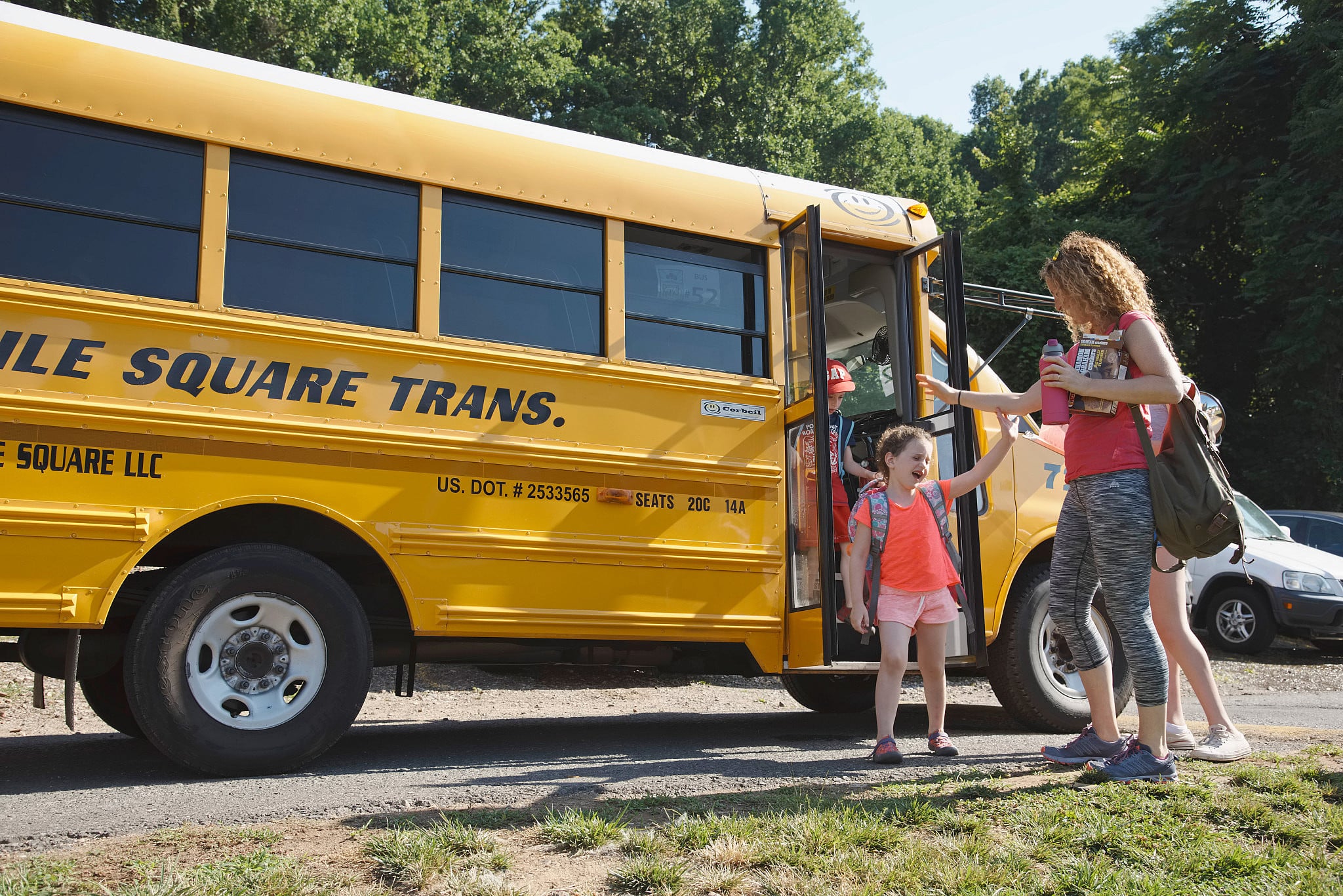
I have never been the kind of parent who sits at a computer all summer constantly refreshing the camp media page, scanning hundreds of photos just to catch a glimpse of my children. But this summer, one image stopped me in my tracks. It was a photo of our youngest child arriving at camp. It wasn’t her first summer—she knew where she was going and what to expect. Just off the bus, the look on her face was pure sunshine. She was glowing: an expression of glee charged with hope, opportunity, excitement, and the quiet thrill of return.
As I looked at that photograph, I was deeply moved by the power of Jewish camp. Camp is far more than a geographical location or a chunk of time on a summer calendar. It is more than reconnecting with best friends from around the world, engaging with inspiring role models, or participating in a well-crafted educational program. Camp is a crucible in which the potential of each camper and staff member is clarified, reinforced, and sharpened. I like to think our home is a safe place where our daughter knows she is loved, but I know it has its limits. Our house will always feel like her parents’ home. Camp is a home she has built for herself. It is a sanctuary where she experiences genuine agency, autonomy, competence, and confidence in a way that home—no matter how loving—rarely affords.
Beyond the watchful eye of their parents, camp is a magical space of their choosing. There, children construct a world of their own making. Dropping the pretenses of the outside world, they discover who they are and who they want to be. Their near-peer counselors model a “Camp Do” attitude that channels individual passions into a vibrant community. It is no wonder that camp serves as a natural primer for a child’s eventual love of Israel: another sacred space where individual self-actualization expands into a profound sense of collective belonging.
For all of these reasons, people love camp. However, I particularly love hearing how people truly cherish Shabbat at camp. For many, it is the highlight of their summer. But for campers and alumni alike, their love of Shabbat at camp goes even deeper. Most do not celebrate Shabbat at home, and no one celebrates it quite like they do at camp. For some campers, camp itself is the Shabbat of their entire year. Like Shabbat, Jewish camp is a dedicated sanctuary in time to pause, breathe, and live authentically in an intentional and unapologetically Jewish community. Given the unprecedented challenges of living proudly and publicly as Jews since October 7th, this sacred sanctuary feels critical today.
Looking back at that picture of my daughter’s radiance helps me focus on how the enduring transformation of camp happens precisely through the act of returning. In this process of returning, year after year, we get to be born and reborn again. In many ways, this is the very essence of Yom Kippur and the nature of Teshuvah—a concept often translated as repentance, but whose literal root meaning is return. Teshuvah is not about becoming someone entirely new; it is a homecoming to our truest selves. Like a camper stepping off the bus year after year, Teshuvah on Yom Kippur operates on two parallel tracks: the return of the individual to their core potential, and the return of the collective community to its shared promise.
As we find ourselves in the Days of Awe , we approach the holiest day on the Jewish calendar. The Rabbis refer to Yom Kippur as Shabbat Shabbatot—the Sabbath of Sabbaths. It is the ultimate moment of our return to who we really are. Both Jewish camp and Yom Kippur offer us the same rare, precious gift: an invitation to return, a place of true ownership, and an unwavering hope in who we can become.
One of my favorite parts of the Yom Kippur liturgy is Mareh Kohen– “The Appearance of the High Priest”, a celebratory poem that dramatically captures the radiant splendor of the High Priest as he emerges safely from the Holy of Holies after securing atonement for our people. The poem describes his face glowing with divine grandeur upon his return, echoing the light Moshe radiated when descending Mount Sinai.
It is that exact same glow I saw in the photo of my daughter stepping off the bus this past summer. It wasn’t just about surviving a long bus ride or emerging from a daunting rite of passage; it was the radiant joy of stepping back into her fullest self as an individual within a sacred community.
That is the magic of camp, and it is the sacred promise of Yom Kippur. Whether you are a lifelong camper, haven’t set foot in a bunk in decades, or never went to camp at all, that glowing face belongs to all of us. As we enter Shabbat Shabbatot, may we all approach our own return with that same sense of glee, excitement, and expectation—stepping off the bus, trusting in our capacity for renewal, and ready to reclaim our truest selves together.