
Reaching Out When You Think You Shouldn’t
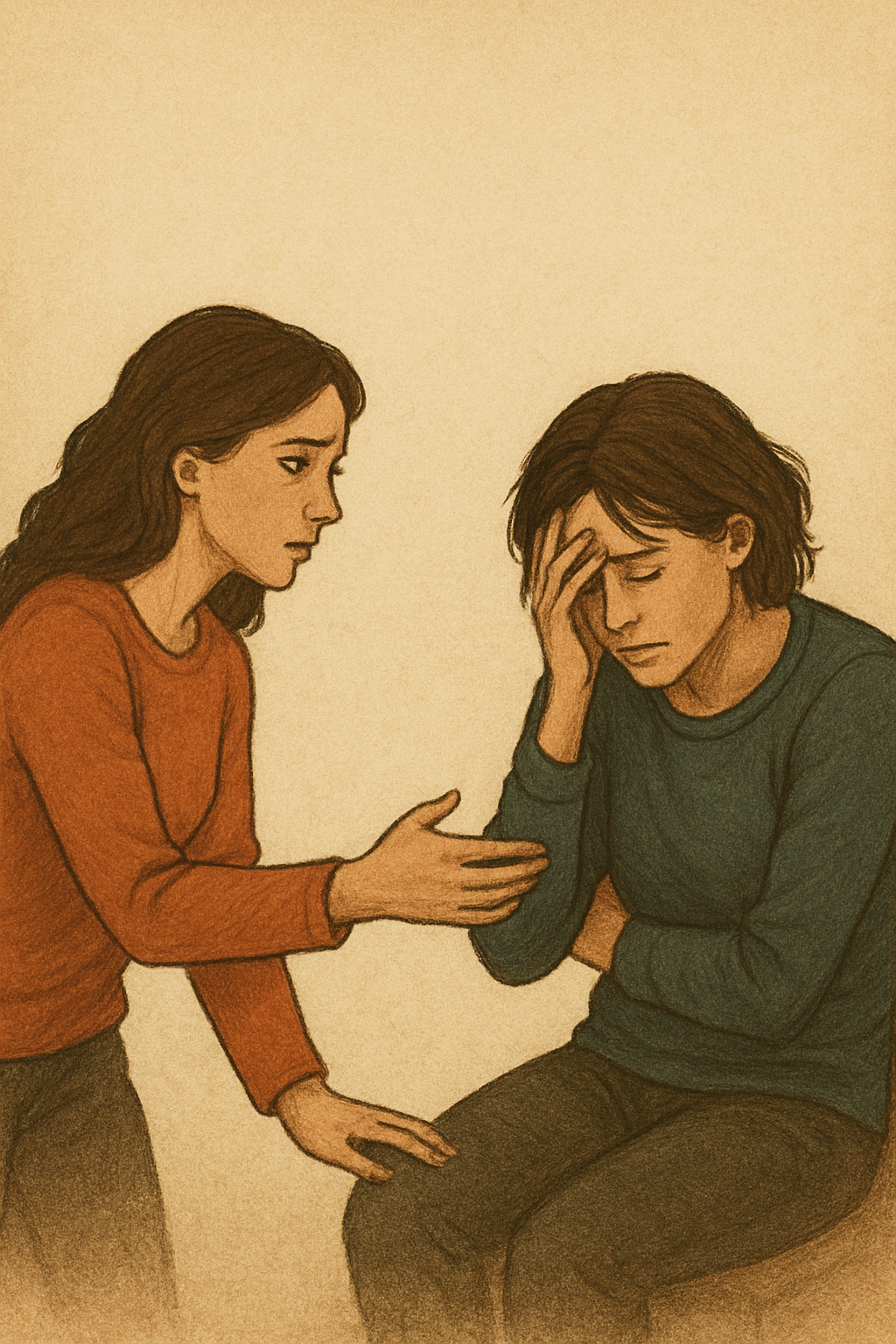
A few weeks ago, I reached out to a Jewish education professional I know, asking about a program I was organizing. I also knew his daughter had been battling a tough and aggressive form of cancer, so I added a line at the end of my email:
“I hesitate to ask, but how is your daughter doing with her illness?”
I expected a quick response about the program—but instead, I got something much more profound. In his reply, he gently pointed out that I shouldn’t hesitate to ask about his daughter’s health, saying:
“I’m not sure why you ‘hesitate to ask,’ whether it’s out of fear of intruding or fear of bad news. Honestly, I welcome it. So many people are uncomfortable bringing up tough subjects like illness or crisis, but sometimes, silence—though it may come from a good place—can be unintentionally unkind. Of course, there are some who truly want to be left alone, but most of us appreciate when people reach out.”
His words hit me deeply. I realized that, of all people, I should have known better than to hesitate. I should never have second-guessed whether it was okay to ask about someone else’s pain.
When our daughter, Tova (may her memory be a blessing), was tragically taken from us at a young age, we received an outpouring of love and support. Many people reached out to Sharon and me with comforting words that truly helped us in our healing. But there were also a few—thankfully not many—who avoided talking to us about our loss entirely, and in some cases, even stopped talking to us altogether.
So, why do so many people find it hard to talk about death or illness with a friend? Why do they avoid bringing it up, when reaching out can offer so much comfort to someone who’s hurting?
I think there are a few reasons:
Fear of Saying the Wrong Thing
A lot of people worry they might say something insensitive or unhelpful, even when they mean well. Phrases like “Everything happens for a reason” or “They’re in a better place” can unintentionally make someone feel like their pain is being minimized. The fear of making things worse often leads people to avoid saying anything at all.
Not Knowing How to Offer Support
People often feel unsure about the best way to support a friend. Should they encourage the person to talk about their grief, or would a distraction be better? Should they offer advice, or just listen? This uncertainty can make people shy away from the subject altogether.
Fear of Making the Person Relive the Pain
Some worry that bringing up a tough topic will just make the person feel worse, or that talking about it might open old wounds. The intention is to protect them from more hurt, but often, just acknowledging their pain can be a relief.
Discomfort with Emotions
Let’s face it: not everyone is comfortable with heavy emotions like grief, sadness, or illness. Some people might feel overwhelmed or unsure about how to handle their own feelings of sympathy. In these moments, they might avoid reaching out because they don’t know how to process their own discomfort.
Lack of Personal Experience
If someone hasn’t personally experienced loss or illness, it can be hard for them to know exactly what their friend is going through. It’s not that they don’t care—it’s just that they may not have the personal reference point to relate to the pain. This lack of understanding can make it hard for them to know what to say.
Cultural or Social Norms
In some cultures or social circles, talking about grief or illness isn’t openly discussed. People might feel it’s not “appropriate” to bring it up, or that they might be violating some unspoken social rule by acknowledging the situation.
Fear of Overwhelming the Person
Some people worry they might come across as intrusive, especially if the grieving or ill person wants space. They may think, “I’ll let them reach out when they’re ready,” which can sometimes feel like a well-meaning form of avoidance.
At the heart of all of this is a combination of empathy, uncertainty, and a natural tendency to avoid discomfort—even though we know, deep down, that reaching out is the right thing to do. But in most cases, even a simple “I’m here if you need to talk” can make all the difference.
With that said, there are some people who might prefer not to speak about their illness or a death in their family and who might find questions intrusive–and we need to be sensitive to this, too. In the face of uncertainty, one might attempt to first find out if it’s ok to check in with them from time to time or if they would rather be left alone.
The way we approach tough topics like grief or illness plays a huge role in how supported someone feels. Creating an environment where vulnerability is welcomed and not judged helps people feel safe enough to open up. It’s not always about finding the perfect words—it’s about showing you care.
So, how can we be better at reaching out?
Here are a few things we can all do, both as individuals and as a community, to make these conversations a little easier:
Be a Good Listener
Sometimes, the most supportive thing we can do is simply listen. When someone is grieving or ill, just offering them a safe space to talk—without interrupting, judging, or trying to fix things—can be incredibly healing. Active listening shows the person you truly care about what they’re going through.
Ask, “How Are You REALLY Doing?”
Instead of the usual “How are you?” try asking something a bit more specific: “How are you really doing?” or “I’ve been thinking about you. How are you holding up?” This opens the door for a more genuine conversation and shows that you’re truly concerned about their well-being. It also helps to model vulnerability—when you share your own feelings, it can make it easier for others to do the same.
Be Open About Your Own Struggles
If you’ve been going through a tough time too, don’t be afraid to share that. Saying something like “I’ve had a hard time lately” helps normalize the experience of pain. It reminds the other person they’re not alone in their struggles.
Be Direct, but Compassionate
Don’t avoid the topic altogether. Acknowledge it directly. Even if you don’t have the perfect words, just saying, “I’ve been thinking about what you’re going through” can provide comfort. Silence or avoidance can sometimes feel like a dismissal of someone’s pain.
Check in Regularly
Grief and illness don’t just disappear overnight—they can last for weeks, months, or even longer. It’s easy to assume that someone is “better” after a few weeks, but continuing to check in shows that you’re there for the long haul. Sometimes, just a quick text or a simple “thinking of you” can be all they need to know you care.
As a society, we can also work to build a culture of compassion. This might mean normalizing tough conversations, raising awareness about mental health in schools and workplaces, and creating more supportive communities where people feel comfortable being vulnerable.
There are already great strides being made in these areas. Many companies are offering wellness programs focused on mental health, and grief counseling is becoming more common. Movements around “death positivity” and “mental health awareness” are helping to break down the stigma surrounding these tough topics.
And it’s working. We’re seeing more podcasts, documentaries, and even films that discuss grief and loss with honesty and compassion. People are beginning to open up about difficult topics. But we’ve still got a long way to go.
The more we can normalize talking about pain, grief, and illness, the easier it will be for others to seek support when they need it. Let’s create a culture where it’s okay to not be okay—and where those around us feel safe enough to share their struggles without fear of judgment.