Reading the Next Move: Buying Time and Sending the Invoice to the Gulf
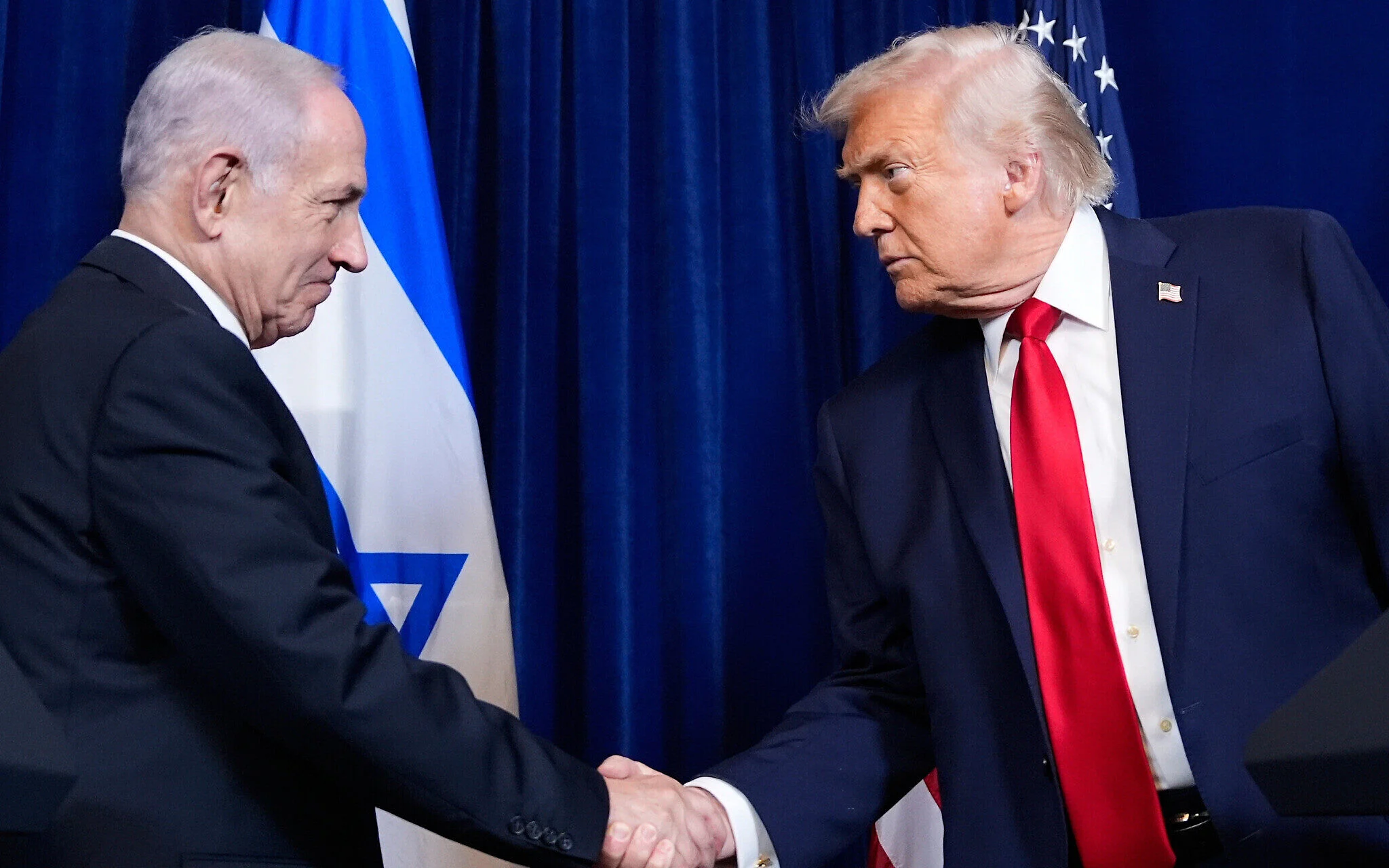
Back in March, I argued that the Gulf states must take ownership and help fund the effort against Iran, or else face the wrath of a hostile Iranian bully. This week, President Trump said openly that the Gulf states should reimburse the United States for their military actions.
In June, when many commentators saw the MOU signed by the US and Iran as an end to the war and a major hit to Israel, with public tension between Trump and Prime Minister Benjamin Netanyahu, I argued that it was more likely to be theater, as it was a year earlier, and the bombing of Iran will restart, and here we go again.
Trump understands the public outrage in regards to another war in the Middle East, and having the Gulf states pick up more of the bill is his way to save face and maybe come out with the upper hand in this conflict.
At the same time, Trump doesn’t like to look weak. He is still searching for a victory image, but his distrust of Netanyahu and Israel is much deeper now. He needs this winning image for his MAGA audience first and foremost.
At the same time, his “partner” Netanyahu needs this war for his political needs. He believes his best chance of not losing the elections is a war with Iran. But a successful confrontation would be difficult to achieve.
Netanyahu enjoys the help of a circle of influential figures around Trump, one of them is his son-in-law Jared Kushner, who reportedly spoke to him daily, but also key figures in the US mainstream and online media. That is what Netanyahu would like to push further on in his visit to DC in a few days.
But Israel cannot comfortably sustain months of Iranian missile fire. So what is more likely to happen is that the US and Iran will continue this tit-for-tat, with possible breaks for “ceasefire”, while Israel will either alternate with the US on Iran to save energy and reasonable damages, while trying to go all-out closer to the elections, probably around the end of September in Sukkot – a month before the elections.
Timing matters. To be able to stock up and maybe try to prevent the Iranians from doing the same. Iran doesn’t have thousands of ballistic missiles. That is why it is rationing them, firing a few and in small batches every day.
This is a key to Israel’s ability to sustain another, longer war with Iran.
This is why the current period should not be understood as either peace or a clean strategic rupture between Trump and Netanyahu. It may be a period of managed pressure: limited action, pauses, renewed threats, temporary understandings, and public disagreements that allow each side to preserve room to maneuver.
So this is only a matter of time until Israeli airplanes will fly again to missions above Tehran. The timing and scale really depend on the circle of influence Netanyahu has around Trump.
- A brief word on Senator Lindsey Graham.
For many years, he was among Israel’s strongest voices in Washington. His death is a real loss for Israel and for those who believe the United States has an important role in maintaining global order. The celebrations seen in Iranian and Russian media are revealing. Israel is not always the uncomplicated “good side” in every debate, but the reaction of regimes such as Russia and Iran is a reminder that Graham stood firmly against authoritarian regimes that oppress their own people.