
Writing on Jewish life, relationships, trauma, and resilience
Recognition of Palestine is Cruelty Disguised as Kindness
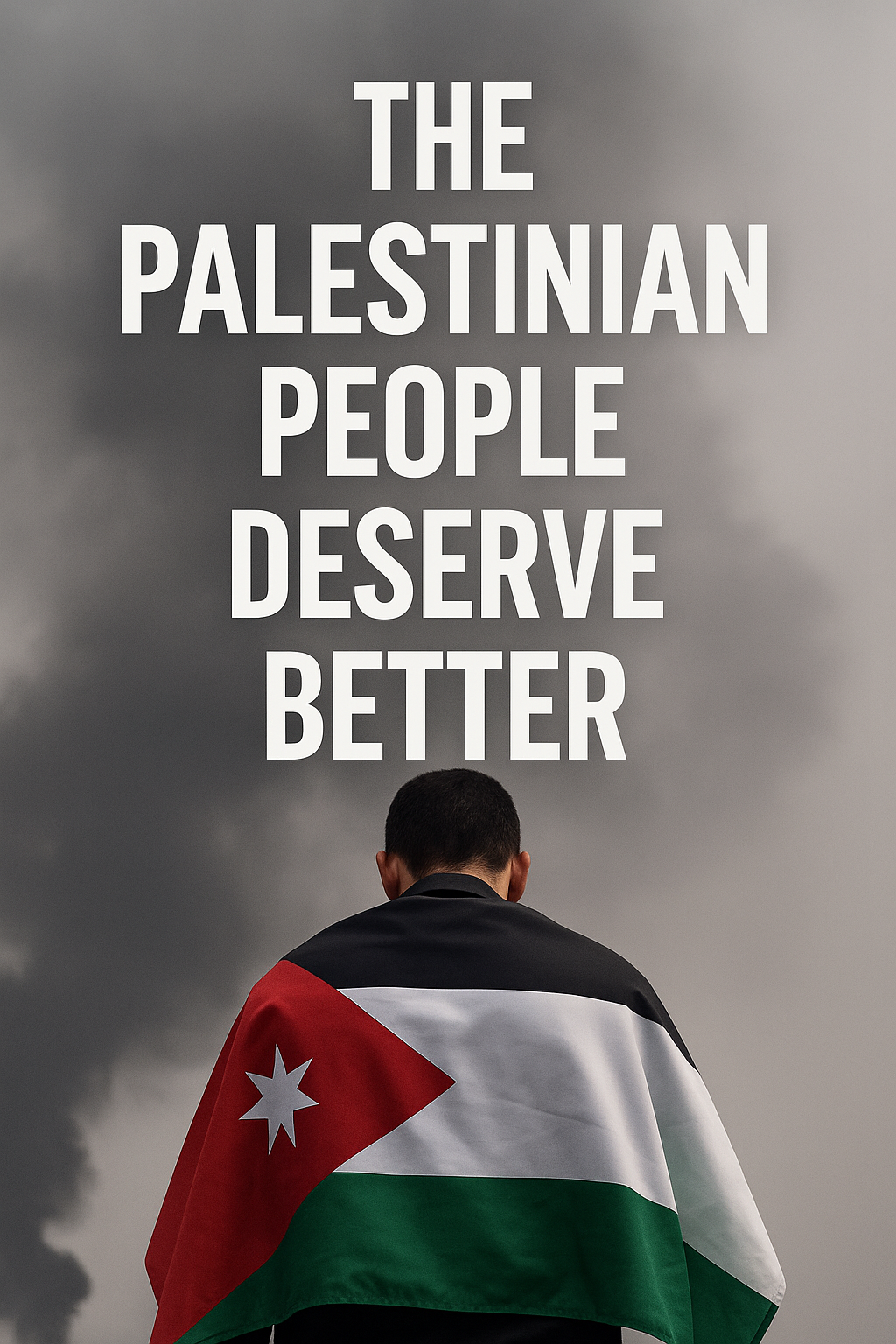
Sora image - AI generated.
As the world prepares for the September United Nations General Assembly, a growing number of major western nations—France, Canada, Great Britain—are signaling their readiness to recognize a Palestinian state. These moves are praised in diplomatic circles as bold gestures for peace. For many, they represent long-overdue justice for a people who have suffered immensely.
But if we genuinely care about the Palestinian people—if peace is truly the goal—then honesty must come before applause.
Recognizing a Palestinian state prematurely is not an act of solidarity. It’s an act of abandonment.
The Moral Hazard of Lowering the Bar
What message do we send by granting statehood to a leadership that hasn’t held national elections since 2006, tolerates rampant corruption, and fails to uphold the basic freedoms of its own citizens? That this is good enough? That Palestinians don’t deserve better?
That’s not justice. That’s surrender.
We would never accept such governance for ourselves. Why should we accept it for others?
True justice isn’t found in ceremonial votes, symbolic flags, or diplomatic soundbites. It lives in the freedom to choose your leaders, to speak your mind, to hold those in power accountable. Anything less is not statehood—it’s a mask for dysfunction.
Italian Prime Minister Giorgia Meloni captured this truth with rare clarity:
“Recognizing the State of Palestine, without there being a State of Palestine, could even be counterproductive to the objective. If something that doesn’t exist is recognized on paper, the problem risks appearing solved, when it isn’t.”
Her words cut to the core of the issue: Paper recognition of a phantom state doesn’t end suffering. It prolongs it. It gives the illusion of progress while leaving Palestinians trapped under failed leadership and hollow institutions.
A Fractured Leadership, a Betrayed People
The Palestinian landscape today is divided and unaccountable. In Gaza, Hamas governs with terror and tyranny. In the West Bank, the Palestinian Authority clings to fading legitimacy. Two rival governments. No elections. No unity. One secular and corrupt, the other theocratic and violent.
To grant this fractured system international recognition is not a gift—it’s a trap. It cements division. It rewards failure. And it tells the Palestinian people to stop hoping for more.
Accountability Is the Foundation of Peace
Every child—Israeli, Palestinian, or otherwise—deserves to grow up with dignity, freedom, and hope. But statehood is not a participation trophy. It is a sacred trust, earned through accountable governance, the rule of law, a rejection of terror, and the consent of the governed.
When Western nations offer recognition without these foundations, they sideline reformers and betray those who fight for real change. They reward inertia. And they send a dangerous message: that the symbols of statehood matter more than its substance.
The Economist offered a sobering reminder of the long-term cost of such missteps:
“If talks about two states begin again under a new Israeli prime minister, both sides will need to make concessions to bring them to a successful conclusion. Yet using recognition as leverage over Israel today means that Britain and France have deprived themselves of leverage over the Palestinian side tomorrow.”
In trying to push Israel today, they’ve disarmed themselves tomorrow. What begins as a moral stance could end as a strategic blunder—undermining any future chance at balanced negotiations.
That’s not diplomacy—it’s complicity.
The Cost for Israel—and for Peace
For Israelis, the threat is not abstract. It is real, raw, and recent. The horrors of October 7, 2023—babies slaughtered, youngsters and women brutalized, families massacred—are not distant memories. They are seared into the nation’s soul. To recognize a Palestinian leadership that won’t—or can’t—disown those responsible is not a peace offering. It’s a betrayal.
No responsible nation would accept a neighbor whose government harbors, funds, or excuses terror. Israel cannot. And neither should any country that values human life and moral clarity.
A Better Path—Rooted in Truth and Justice
There is a way forward. It will not come through shortcuts or empty gestures. It begins with:
-
Free, fair elections—so Palestinians can choose their leaders.
-
Rejection of terrorism—in both words and deeds.
-
Transparent governance—accountable to the people, not entrenched power.
-
National unity—real, not rhetorical.
Only then will recognition be not just deserved, but transformative. Anything less robs Palestinians of the dignity that true self-determination demands.
The Courage to Demand More
It takes no courage to vote “yes” at the UN. But it takes moral courage to speak a difficult truth to those we care about.
Palestinians do not need pity. They need partners. Not enablers of dysfunction, but champions of democracy, reform, and responsibility.
Let us raise our voices—not to endorse a mirage, but to illuminate a path toward real peace. Let us tell the Palestinian people: You deserve better. You deserve freedom, democracy, prosperity, and peace.
And until those dreams are not just promised, but lived—premature recognition is not justice. It is cruelty disguised as kindness.
Related Topics
Related Posts