POST-HARMONY Special Project
Remembering Elie Wiesel
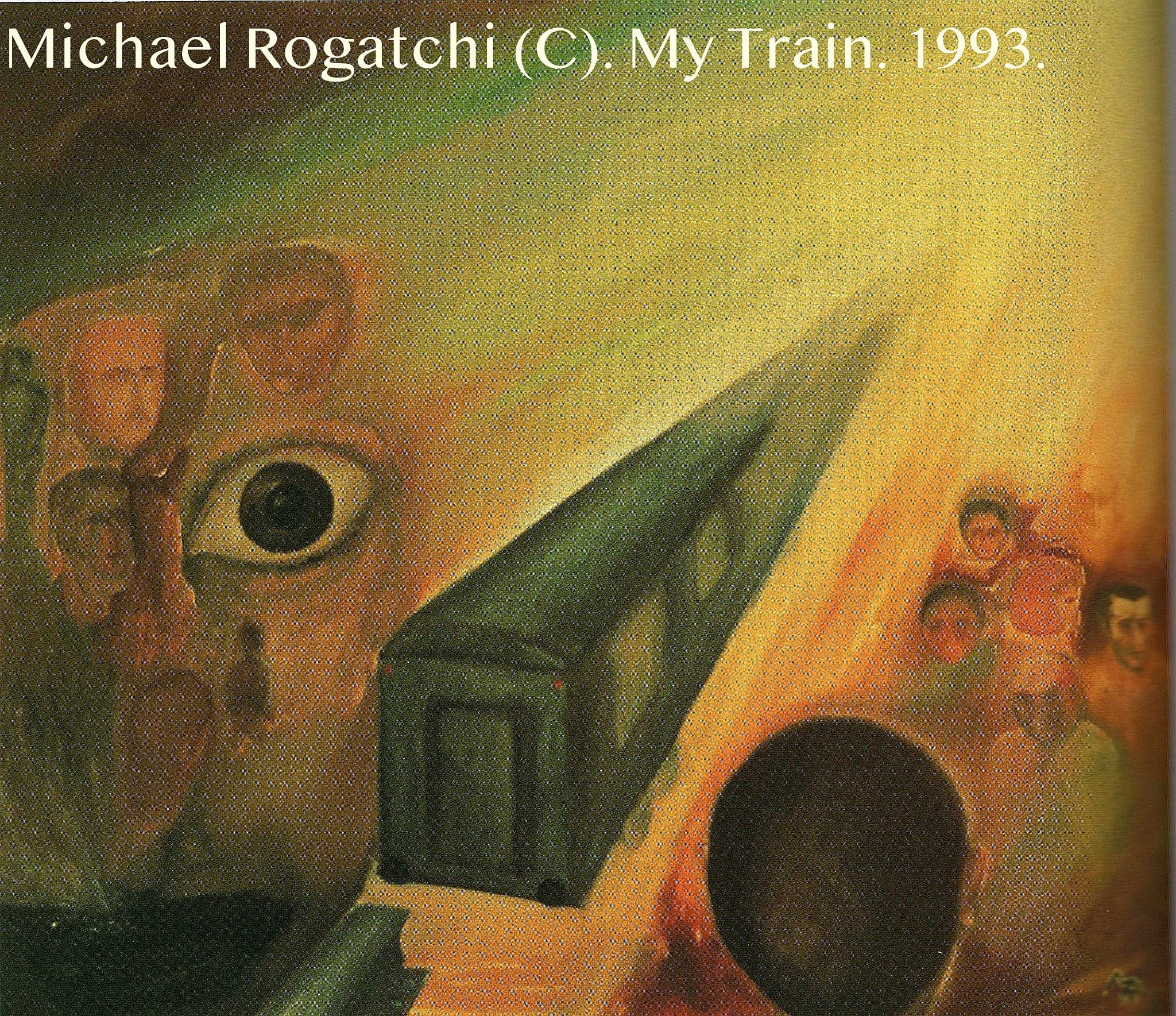
Michael Rogatchi (C). My Train. In the Mirror of Shoah. 1993.
The 10th anniversary of the great humanist’s passing
Reflecting of the loss today, 10 years on
July 2nd, 2026, marked the tenth anniversary of Elie Wiesel’s passing. Reflecting on the date feels complex. From one side, we and the international society today utterly need a figure like Elie was, with his quiet but stern humanity which was setting the code of decency and moral normality. From another side, many of Elie’s friends had been thinking the last three years that if he would witness what we are witnessing after October 7th in the matter of unprecedented, screaming moral decline it could affect him really badly and it would wound him enormously.
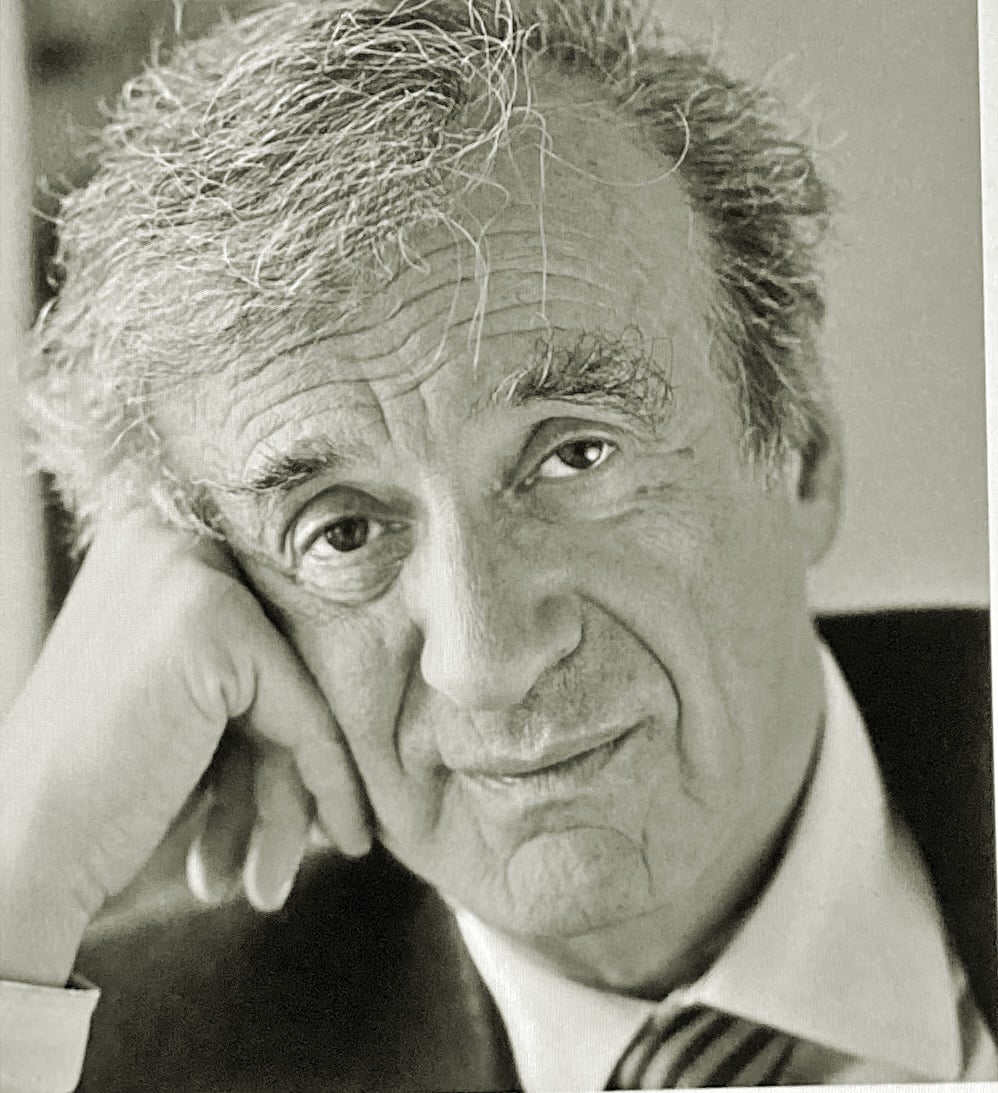
We all who knew and loved Elie and understood the measure of the wounds that he was bearing inside himself for all 70 years that he lived after the end of the Second World War would not like him to be hurt in what would be a devastating blow to him and the Holocaust survivors from his generation, once again.
But the more time passes after October 7th, the more I feel the necessity of the presence of Elie-like personalities in our midst. Maybe, also because of the fact that his place at the international scene is still vacant, the date of the substantial anniversary since his passing, the first ten years without him, his voice, his words, his eyes, his smile, and his thoughts feels in a particularly significant way.
Personal recollections
Personally, Elie was a very special man in the best possible way. Kind, caring, with an organic ability of genuine interest, respect and attention towards so many of us whom he gifted with acquaintance and friendship. Elie had such a personality that his reactions, phrases, thoughts had been imprinted in our memory for good. There was an enormous inner substance in this quiet and kind man, and probably because he was usually gentle in his manners, that magnetic substance of true humanity that Elie possessed , impacted people deeply and for good.
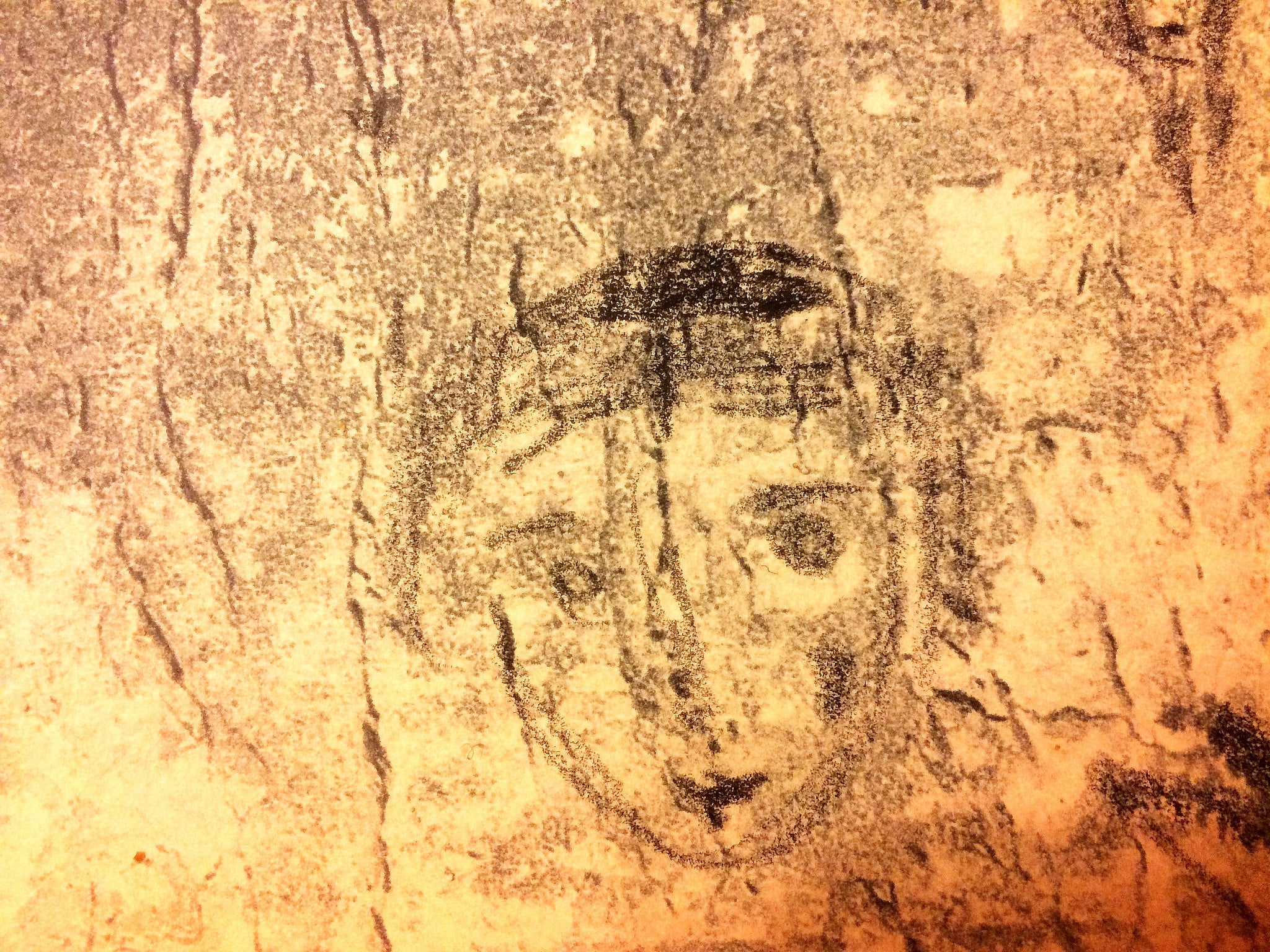
Being privileged to know Elie well for many years, I have written several essays about his special world which, being formed from the unspeakable tragedy and never-vanished sorrow, has become the tool for humanity for millions people world-wide. Some of the most special work by my artist husband Michael Rogatchi has also originated from the years of his touching friendship with the great Jewish writer. I have written about it in a special essay recently.
Special art collection in Elie’s memory
Michael and I were very privileged to know Elie Wiesel for more than twenty years, and he has become a very important part of our world. Quite often we have been placing his books into the context of the circumstances and episodes of his life which have become the source of everything he wrote, and what he was keeping mostly for himself , due to his character, and spoke about it rarely.
All those seventy years after the Second World War and Shoah, or Khurban , as he preferred to call the Catastrophe of the European Jewry, addressing the term to one of its meanings as a sacrifice, Elie carried inside himself not only his own pain over his exterminated family, but their own worlds and souls. It is not an easy weight to carry all the days of one’s life. He also lived with the shock of a teenager witnessing unspeakable atrocities towards so many of his and our brethren. That shock of a 16-years old youth has never left him.
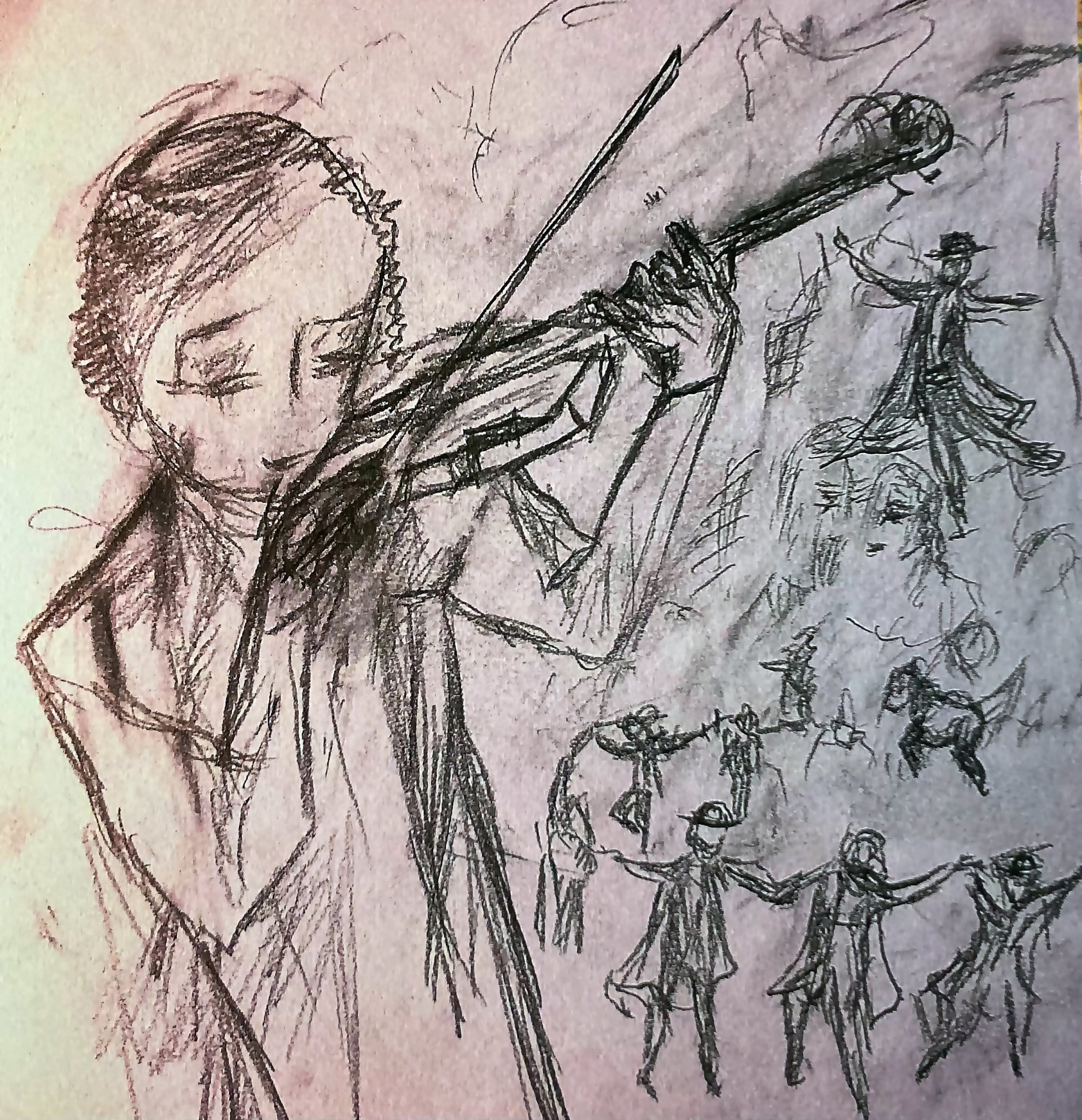
We both always felt and still are feeling Elie’s world very close to our hearts. And during the years, we were creating various artworks which in our own impulses were referring to Elie, his life and his world that he did create for mankind as one of the strongest explanations of what has happened when people lose their humanity.
Thinking about the 10th anniversary of Elie’s passing, we thought of producing a special art collection of our works which had been inspired or dedicated to him, and which have direct references to his life and world. This is how My Train and Night-Day-Night Elie Wiesel Special Commemorative Art Collection was born.
Each of us contributed ten artworks to the Elie Wiesel Special Collection. We call it the Elie Wiesel Dimension.
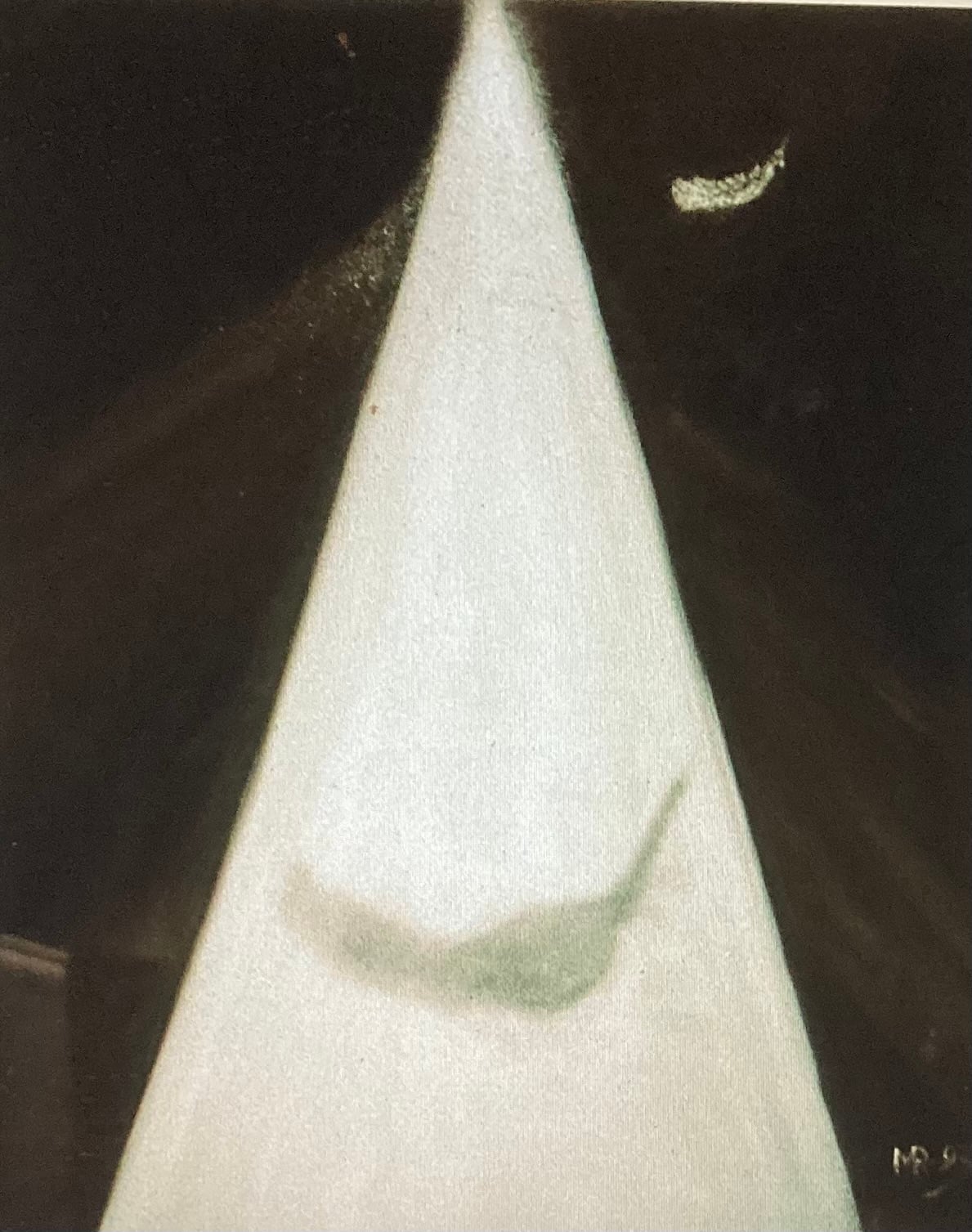
Some of the works, like Michael’s Yiddish Son. Homage to Elie Wiesel, My Train, and The Wheel of Fortune. Reading Elie Wiesel, Elie saw, and we have been very grateful to discuss it with him. He was always gracious and always got the very essence of the message on the canvas immediately, as we were the members of the same family who knew each other and common stories by heart.
He was very pleased that Yiddish Son had been the only oil painting ( on purpose, by design) in the premises of the Vilnius Public Jewish Library since the moment of its opening in December 2011. “What better place for the work referring to a writer could be than a library?” – he smiled with that wonderful light in his eyes when we were telling him about the work, its idea and the place where it has been cherished by the library’s founders and anyone who has been visiting this special heart-spot in Vilnius.
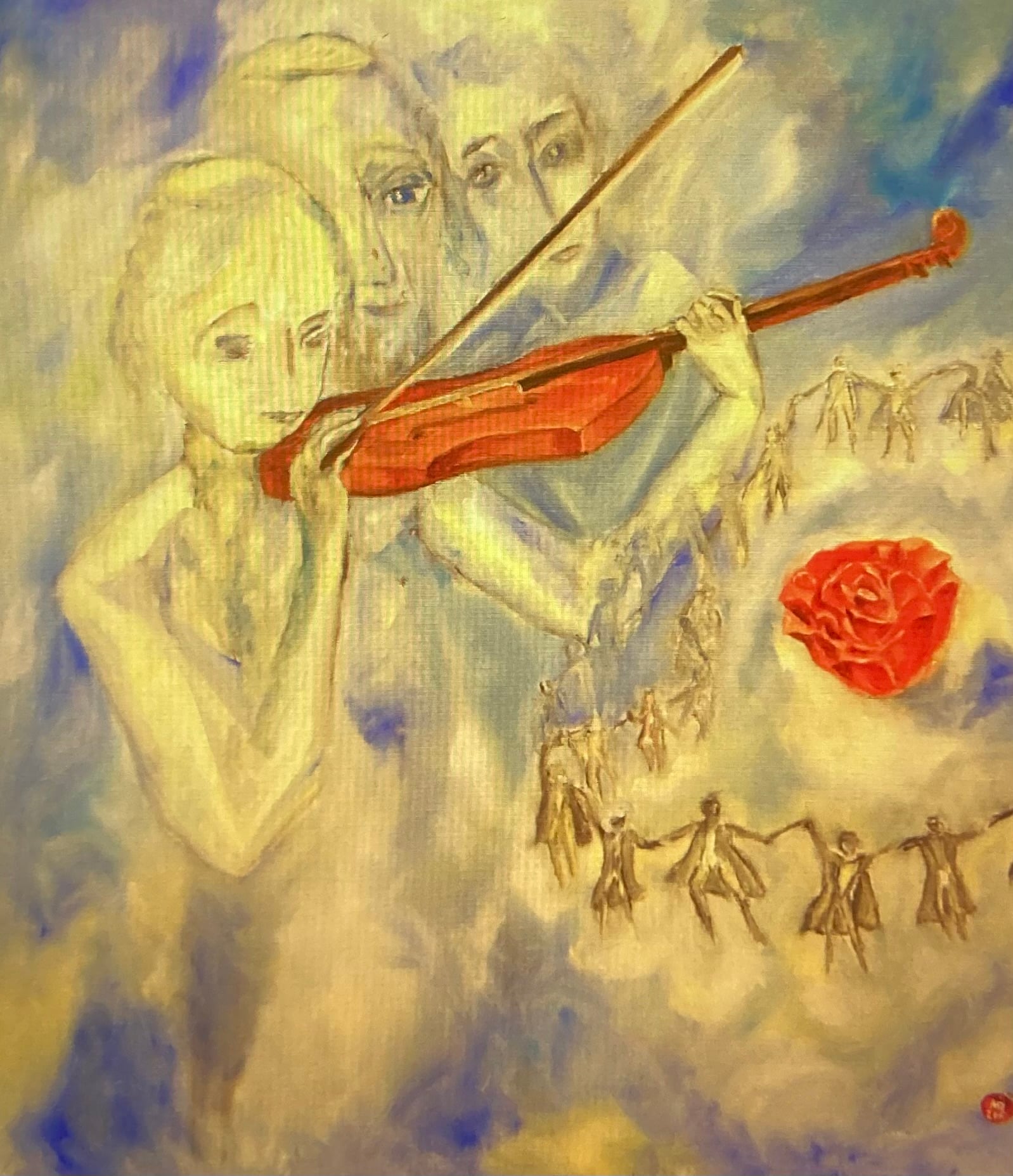
He was silenced for a very long time when looking at the My Train. And he put his hand on Michael’s shoulder and looked at him with that Elie’s look that was so telling.
Elie did not see any of my works dedicated to him or inspired by his life and personality, as all of them had been created after his passing. There is a special story behind the work Ani Ma’amim , and I wrote about it in one of my essays about Elie.
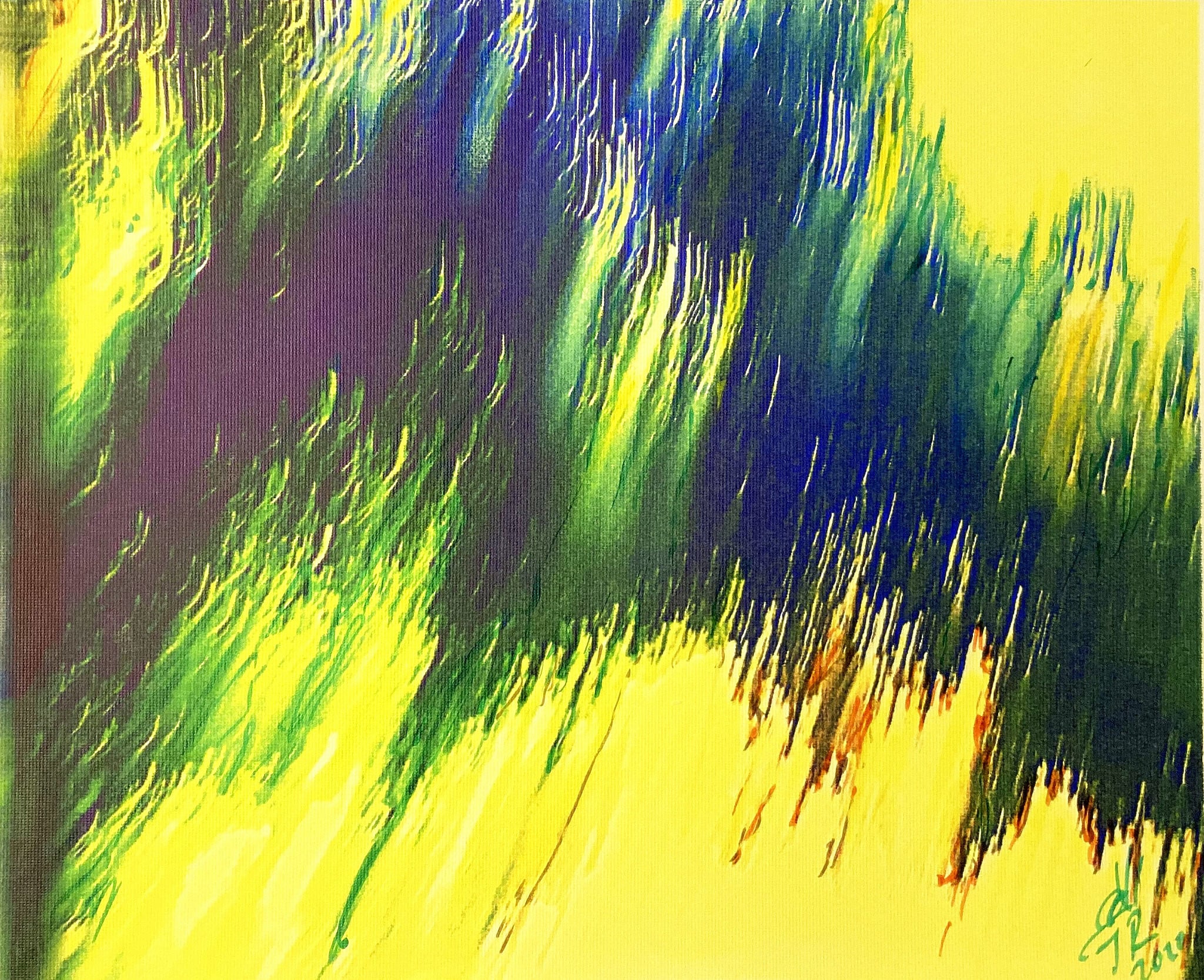
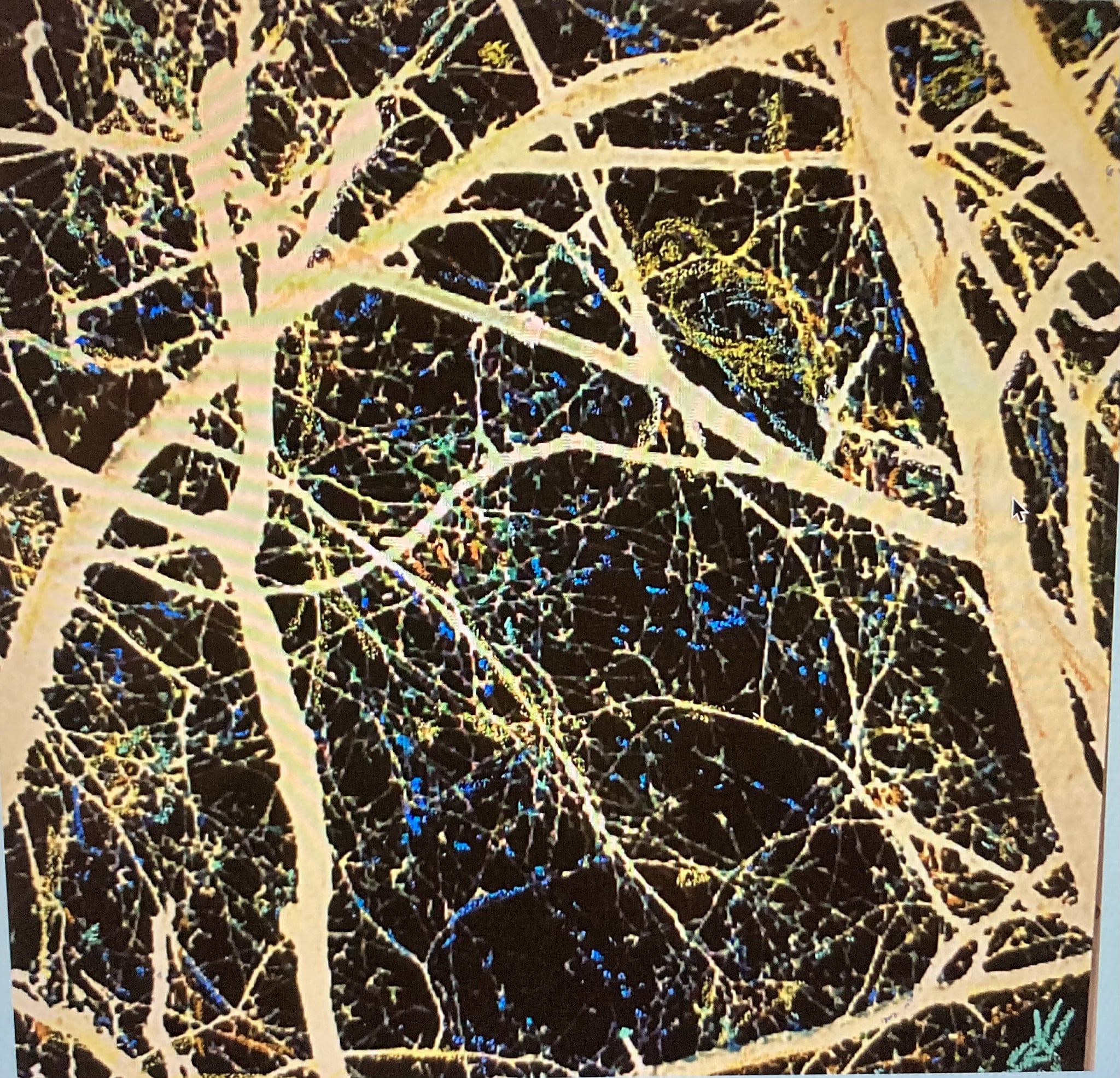
And one of the works from the series, The Sparks of the Souls of the Six Million, did come as if directly from Elie’s books, especially Night. While creating this work, I was as if speaking with Elie, and I was trying to put his words, so innermost, from the depths of one’s soul, on this large enough piece of paper which has become a physical bearer of his words, feelings and memory.
Elie Wiesel legacy today
We hope that our joint Elie Wiesel Commemorative Art Collection will bring his world to many people in the genre of visual art. That it would remind people about this rare man who was able to process his immense, unbearable personal sorrow into the most honest, decent and absolutely important testimony of the destiny of our people, which , he hoped, would never be repeated.
For several decades, the world was thinking along these lines. It was a commonly accepted norm of life, to know the good from evil in the concrete case of the Shoah.
Now, 75 years after the most inhuman calamity fell on Jewish people in Europe, we are witnessing the public sentiment coming directly from the 1930s in Germany and the areas of its anti-human influence.
I don’t know what Elie thought about the possibility of the Shoah to be repeated. I never asked, for two reasons: it was perceived as completely impossible, and I did not want to bring him any extra pain, even by a theoretical question. He got enough of his pain, and anything about the Shoah never was theoretical for Elie Wiesel.
But nowadays, I regret that I did not ask Elie about it. In my heart, I think that he was not ruling it out. As a matter of fact, none of the Holocaust survivors I knew and still know personally, and there are very many of them, never did. All those people have had that unique experience about the Catastrophe against humanity that the Shoah was about that did prevent them to rule it out completely. I spoke with many of them about it, and this is the picture that I’ve got first-hand.
With the first decade of Elie Wiesel’s passing, his presence is still felt as a very strong one. This is possible only when a writer is selflessly honest, as Elie was. And it also happens only when a writer is ultimately brave in bringing his, his family, and his people’s pain to public, overcoming conscious and subconscious barriers of a psychological self-defense.
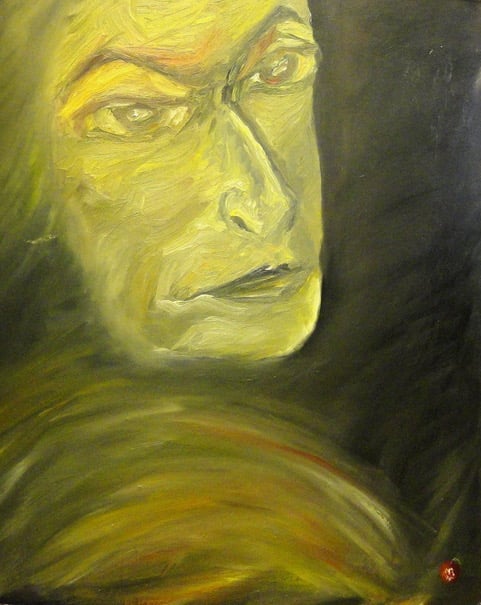
Elie Wiesel not only documented what he was made to see during the Shoah. He brought out to us, in all generations, the life of feelings, emotions, moves of human souls. And – memory.
There is nothing more important in our short lives than soulful memory. To learn from it is not an easy thing as well. But without it, we might be risking repeating the destinies of the generation of our grandfathers, those who were devoured by the unleashed, materialized hate in Europe almost eight decades ago. Elie was always worried about it, and he was never tired to remind us about the way to live next to evil in its various forms, including a sleeping mode.
Thinking about this unique man who left us ten years ago, I feel a huge gratitude to his commitment to humanity in the darkest of times. And I feel Elie Wiesel very close to us today, as it was yesterday, and as it will be tomorrow. He was the man and the writer who taught us all to remember.
July 2, 2026
Related Topics
Related Posts