
President, Hadassah Long Beach / Orange County,
Reproductive Justice and the Sacred Work of Care
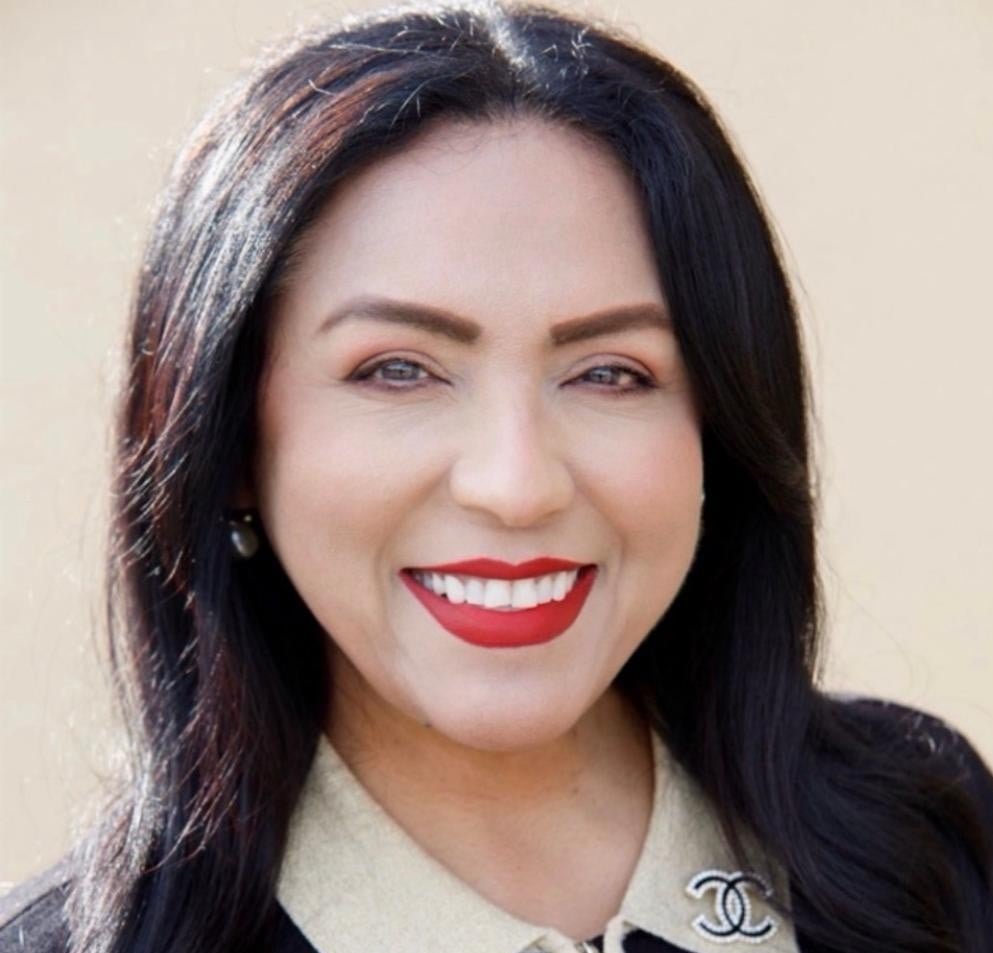
Photo of the author courtesy of the author.
As a licensed clinical social worker and doctor of social work, I have spent much of my career sitting with people during some of the most vulnerable moments of their lives. Sometimes those moments involve trauma, grief, violence, poverty or mental illness. Sometimes they involve pregnancy. Often they involve all of those things at once.
Reproductive rights are frequently discussed in political terms, but, in clinical settings, this is not so. As health professionals, we are focused on providing care to a 16-year-old who is terrified to tell her parents she is pregnant. Or a survivor of sexual violence trying to regain a sense of control over her own body. Or a mother choosing between paying rent or obtaining prenatal care. We are helping young people navigate identity, safety, cultural norms and feelings of shame while they carry burdens far too heavy for their age.
Years ago, I worked with a teenage client who had experienced significant trauma and instability long before she ever entered my office. She was bright, guarded and exhausted from having to grow up too quickly.
During one session, she quietly shared that no adult in her life had ever explained reproductive health to her in a way that felt safe or free from judgment. What struck me most was not simply that she lacked information. It was the lack of emotional safety surrounding the conversation itself. She was bogged down by fear, confusion and shame long before she ever had access to care.
As social workers, we are trained to look beyond a single event and ask a broader question: What conditions are shaping this person’s ability to live safely, with dignity and autonomy? That is the heart of reproductive justice.
The term, first coined by Black women activists in the 1990s, expanded the conversation beyond access to abortion or contraception to include the human right to have children, not to have children and to parent children in safe and sustainable communities. The term acknowledges that health care access is deeply connected to race, poverty, immigration status, trauma exposure, education, disability and geography. From a mental health perspective, the stakes are enormous.
According to research in the New England Journal of Medicine, restricting reproductive health care can worsen a woman’s psychological distress, particularly among adolescents and marginalized populations.
According to the American Psychological Association, individuals denied wanted abortions are more likely to experience anxiety, economic insecurity and ongoing exposure to unsafe relationships.
Meanwhile, the Commonwealth Fund continues to report that the US has one of the highest maternal mortality rates among high-income countries, with disproportionate impacts on Black, Indigenous and low-income women.
Young people are especially vulnerable. The US Centers for Disease Control and Prevention (CDC) has documented alarming increases in adolescent depression, suicidal ideation, self-harm and trauma-related symptoms in recent years. When reproductive health care becomes harder to access, those stressors do not disappear. They intensify.
In my own clinical work with underserved communities, including Latino and Hispanic populations, American Indian and Alaska Native communities, LGBTQ+ youth and survivors of human and sexual trafficking, I have seen how quickly gaps in care become crises. A missed appointment can become an untreated medical complication. A lack of culturally responsive care can lead to complete disengagement from treatment. Fear, stigma, transportation barriers, immigration concerns and poverty often silence young people long before they ever reach a provider’s office. This is why advocacy matters. And this is also why Hadassah’s policy statement affirming support for reproductive choice and advocacy work for women’s health equity matters.
For more than a century, Hadassah has understood that women’s health cannot be separated from social justice, education, research and community care.
Through advocacy initiatives across the US, Hadassah has consistently championed women’s health equity, reproductive freedom, gender equity and access to quality medical care.
What has always impressed me most about Hadassah is that its advocacy does not end with policy statements or legislative priorities. It extends into hospitals, schools, villages, research centers, trauma recovery programs and communities.
At the Hadassah Medical Organization’s two research and treatmen hospitals in Jerusalem, care is delivered to people across lines of religion, ethnicity, nationality and socioeconomic status. These two world-class hospitals have become internationally recognized not only for medical innovation, but for their integrated approach to healing – one that increasingly includes trauma-informed and mental health care.
Following the attacks of October 7, Hadassah expanded psychological and rehabilitation services for war-affected children, families and survivors. That response reflects something social workers understand deeply: The effects of trauma do not remain isolated to a single event. They move through bodies, families, schools and communities.
I saw this firsthand during my visits to Israel.
One of the experiences that stayed with me most was learning about the Hadassah-supported Youth Aliyah villages serving at-risk youth and immigrant children. These villages are far more than residential schools. They are therapeutic communities designed to stabilize young lives. Students receive housing, education, counseling, mentorship, medical care and emotional support in environments intentionally built around resilience and belonging.
Many of these young people arrive carrying histories of neglect, displacement, poverty, violence or profound loss. Some are new immigrants. Others come from fractured homes or high-risk environments. The villages recognize that academic success cannot happen without emotional security.
As a clinician, I was struck by how naturally emotional support and mental health care were treated as part of daily life. Counseling was not isolated as something only accessed during moments of crisis. It existed within relationships and mentorship. It was internalized in the educational structure with consistency, creativity and a sense of community responsibility. In many ways, this mirrors what we strive to build in social work practice.
We know from CDC studies that early intervention and culturally responsive care matters. And we know that when young people feel protected, respected and seen, outcomes improve dramatically.
The World Health Organization estimates that half of all mental health conditions begin before age 14. Yet globally, many youth never receive adequate support or intervention. Integrating emotional wellness, social support and health care into educational programs are not luxuries. They are protective factors.
That is why reproductive rights advocacy must also include mental health advocacy.
It must include access to trauma-informed therapy for survivors of abuse, maternal mental health screening and education that empowers adolescents to make informed decisions without shame or fear. It must also include culturally competent providers who understand how identity, faith, community and systemic inequities shape health outcomes.
Advocacy is not only about legislation. It is also about presence. It is the willingness to sit beside someone who is feeling uncertain and remind her that she deserves care, dignity and choice.
Though as social workers we often enter people’s lives during moments of crisis, we also have the privilege of witnessing resilience. I have seen young people rebuild their lives after trauma, mothers rediscover their strength after years of instability and communities come together to protect one another during periods of fear and division.
That kind of healing does not happen accidentally. It happens when systems choose compassion over indifference.
Organizations like Hadassah continue to model what true compassion and health justice look like on both a local and global scale: advancing women’s health and investing in youth, supporting trauma recovery, promoting medical innovation and advocating for human dignity at every stage of life.
Ultimately, health justice is a deeply Jewish issue, rooted in the belief that every human life carries inherent value.
In a world increasingly shaped by polarization, advocacy can feel exhausting. But every time we protect access to care, support a vulnerable child, educate a community or stand beside someone whose voice has been diminished, we participate in something larger than ourselves.
We are privileged to participate in such sacred work.
–
The author does not speak on behalf of Hadassah and the views expressed herein are the author’s own and not necessarily those of Hadassah.
Related Topics
Related Posts