Roma Madura
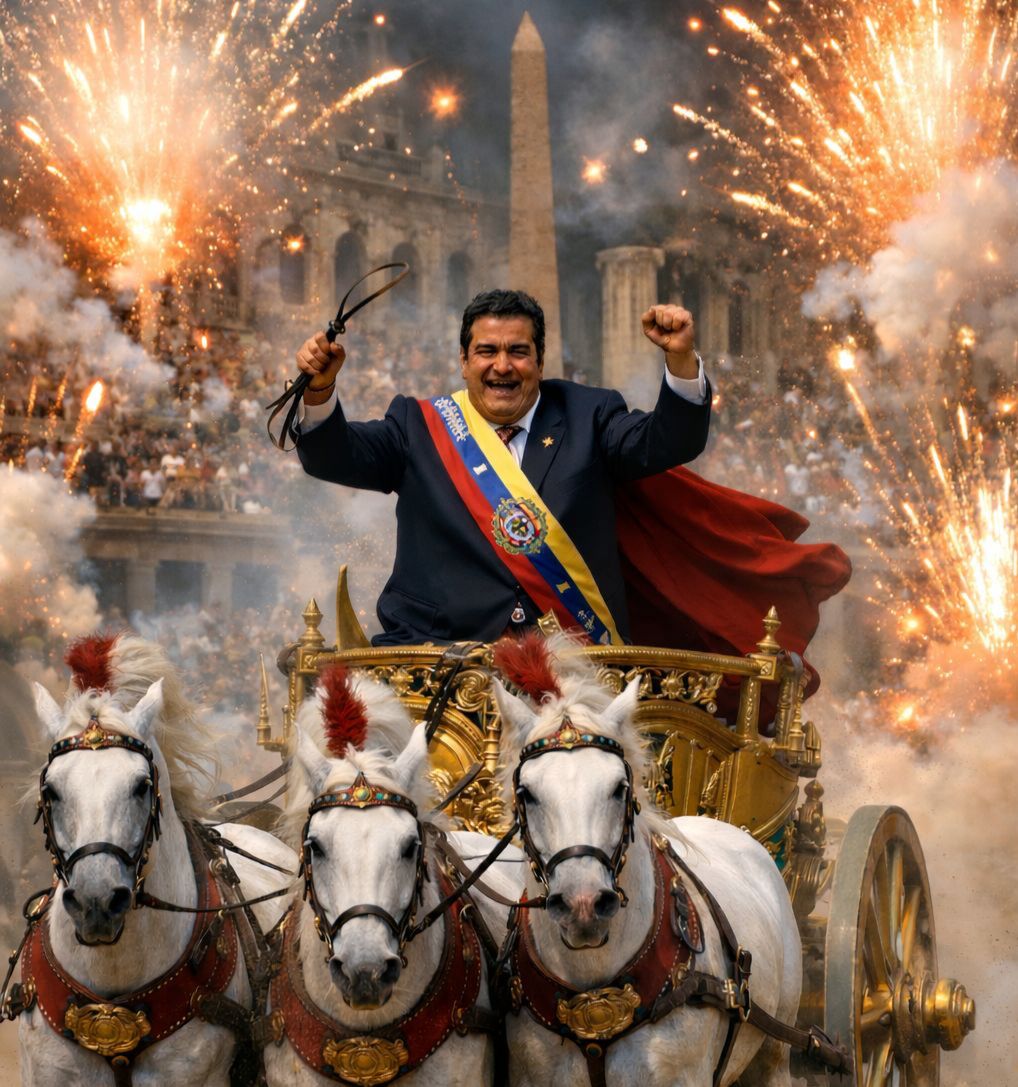
2025 ended the way it lived: restless, loud, and slightly unreal in a world that no longer pauses to catch its breath. And there I was at the Circus Maximus, the place where ancient Rome’s chariot-racing stadium stood, receiving 2026 with fifty thousand other people. There, on that ground where Ben-Hur supposedly unfolded, and Roman elites watched winners become losers and losers become legends for centuries, I stood in the cold final night of 2025, welcoming what was to come.
In front of me stood a concert stage with Italian singers, their voices echoing across two thousand years of history. Before midnight, groups of hoodlums gathered at the edges of the crowd, mostly young men who did not look Italian, the same faces you see serving tables and clearing plates throughout Rome.
Before the countdown, they began setting off firecrackers, one after another, small explosions snapping against the ancient stones. The noise was very loud, enough to trigger my Israeli PTSD. You could feel the blowback in the air of certain explosions. What should have been a celebration turned tense. The blasts came without rhythm or warning, close enough to make people flinch, close enough to empty the space around them. The sound rolled across the ruins of the empire, sharp and intrusive, as if history itself were being interrupted.
The same scenes played across the city that night, the same noise, the same territorial confidence. What struck me most was not the behavior of these groups, but the reaction it provoked. Italians stepped aside, lowered their eyes, adjusted their paths, police stood still. There was no confrontation, no outrage, only a quiet resignation, as if everyone understood who now controls the streets. It was not acceptance born of welcome, but recognition of power through presence and fear. This is how wild migration announces itself at ground level, not through speeches or statistics, but through sound, disruption, and the slow recalibration of who belongs where after dark.
Across Europe, similar scenes unfolded: churches burning, outbreaks of violence, the same ethnic groups, all hushed by the media, as if the new status quo cannot even be named.
I returned to my room thinking how those frightened Italians would vote for Meloni again in the next election as a way to respond to the violence and reclaim control. And yet, as I had seen, once in power, the far right reveals the same difficulties as moderate parties in dealing with the problem. Italy, like most European countries, is little more than a province of Brussels that, in turn, is ruled by technocrats who think in numbers and slogans. Immigration is not slowing down, the streets are not changing, and the deeper forces driving migration remain untouched. It is too late to change anything anymore. Europe is not falling. Europe has fallen.
The next day I heard that Maduro had been arrested by the United States, and the news landed with a strange, almost unreal calm. There was no shock in my body, only a quiet click, as if another impossible thing had simply taken its place among all the others this world now produces daily. Power, which once felt immovable, suddenly seemed fragile, exposed, provisional. What stayed with me was the symbolism of it, the sense that even the most entrenched figures can be pulled out of their roles without warning. It did not feel like justice or victory, but like a reminder that human history, as the Roman Empire teaches us so well, is not as frozen as it pretends to be. One day someone rules, the next day they are spoken of differently, stripped of certainty. In a world already unsteady, the arrest felt less like an event and more like confirmation that nothing, and no one, is as solid as they claim.