Associate Rabba @ the Bayit
Rosh Hashanah: Decree Is Not The Whole Story
Rabbis are often asked in the weeks leading up to Rosh Hashanah what their sermon is going to be about. This year, whenever I tried to think about what I might say, I kept returning to the same words. Not to the melodies I love, not אוֹחִילָה לָאֵ־ל or חֲמוֹל עַל מַעֲשֶׂיךָ, but to these words from the heart of Unetaneh Tokef:
כְּחָצִיר יָבֵשׁ, וּכְצִיץ נוֹבֵל, כְּצֵל עוֹבֵר
“Our lives are like dry grass, like a fading flower, like a passing shadow.”
These words have always been there. Until now, they were simply beautiful, poetic ways of describing our lives. This year, they stirred emotions and memories of my grandson Yovel’s passing. It was not their meaning alone, but one phrase in particular: וּכְצִיץ נוֹבֵל.
Novel sounds so much like Yovel. And that is how Yovel passed through our lives. He was here, and then he was gone: כְּצֵל עוֹבֵר, like a shadow passing by. His life was so real, so full of light, and so unbearably brief.
But these words are not only about Yovel. They are about every one of us. All of our lives are fleeting, and that makes every life, however long or short, infinitely precious.
Perhaps that is why the first mitzvah given to us as a people was a mitzvah about time: הַחֹדֶשׁ הַזֶּה לָכֶם רֹאשׁ חֳדָשִׁים: “This month shall be for you the first of the months.” We were given the responsibility to mark and sanctify each new month, Rosh Chodesh, and to shape the Jewish calendar. Time passes beyond our control, but the Torah teaches us to notice it and to choose how we will fill it. Rosh Hashanah itself is also Rosh Chodesh, a new month, a new year, a new measure of time placed before us. On the very day when we confront how fragile our lives are, we are reminded that the time we are given is precious, and that what we do with it matters.
All of that is true, but none of it makes losing Yovel hurt any less. Knowing that every life is a flower does not make six months feel like enough time. It does not lift the heaviness. So where do we find comfort? Where do I find comfort?
I went looking for inspiration in the very same tefillah, U’netaneh Tokef, and my eyes came to rest on the line we always recite aloud, slowly and with feeling:
וּתְשׁוּבָה וּתְפִלָּה וּצְדָקָה מַעֲבִירִין אֶת רֹעַ הַגְּזֵרָה
“Teshuvah, tefillah, and tzedakah cause the harshness of the decree to pass.”
This year, those words did not comfort me. They felt disheartening. We know that people can engage in teshuvah, pour out their hearts in tefillah, and give generously in tzedakah, and still, the decree may come. We pray, and we believe, that teshuvah, tefillah, and tzedakah can avert a decree. Sometimes our prayers are answered in exactly the way we had hoped. But not always. They do not offer us a guarantee. They did not prevent Yovel from dying.
I needed to reread this line and find another way to understand it, not necessarily instead of the traditional reading, but alongside it.
When I looked at the line more closely, I noticed that its wording is somewhat unusual. A more straightforward formulation would be מַעֲבִירִין אֶת הַגְּזֵרָה הָרָעָה, “they remove the evil decree.” In fact, an earlier rabbinic teaching expresses the idea directly. The Talmud Yerushalmi, in Masekhet Ta’anit, teaches in the name of Rabbi Elazar:
שְׁלֹשָׁה דְבָרִים מְבַטְּלִין אֶת הַגְּזֵרָה הַקָּשָׁה, וְאֵלּוּ הֵן: תְּפִלָּה וּצְדָקָה וּתְשׁוּבָה
“Three things annul a harsh decree: tefillah, tzedakah, and teshuvah.”
But the poet of U’netaneh Tokef deliberately chose different words:
מַעֲבִירִין אֶת רֹעַ הַגְּזֵרָה
“They cause the evil, the harshness, of the decree to pass.”
It was while learning this passage with a chevruta that I encountered a new reading that fit the words themselves much better. With this reading, I could hear two truths in the line. We pray that teshuvah, tefillah, and tzedakah may avert the decree before it comes. But when the decree has already come, when something has happened that cannot be undone, they can still help us face רֹעַ הַגְּזֵרָה, the harshness it leaves behind.
They cannot erase what happened or make six months feel like enough time. They do not ask us to move on, as though what happened, or the person we lost, could simply be left behind. But through them, we can move forward, carrying what and whom we have lost without being entirely overcome by the pain. The decree may have happened, but it does not have to have the last word.
And this is not only about the people we have lost. U’netaneh Tokef does not ask only who will live and who will die. It asks who will be raised up and who brought low, who will be at peace and who tormented, who will be poor and who will be rich. It names the many ways a life can change in the course of a year: the losses everyone sees and the disappointments known only to the person carrying them; the upheavals that alter a life and the wounds that accumulate slowly over time. How do we carry what the year has brought us without allowing it to become the whole of who we are?
The three words of the piyyut offer us three directions in which to turn:
– Inward בֵּין אָדָם לְעַצְמוֹ
– Toward God בֵּין אָדָם לַמָּקוֹם
– Toward one another בֵּין אָדָם לַחֲבֵרוֹ
Teshuvah | Turning Inward בֵּין אָדָם לְעַצְמוֹ
At its root, teshuvah means turning: not only turning away from wrongdoing, but turning toward a new way of seeing what is around us.
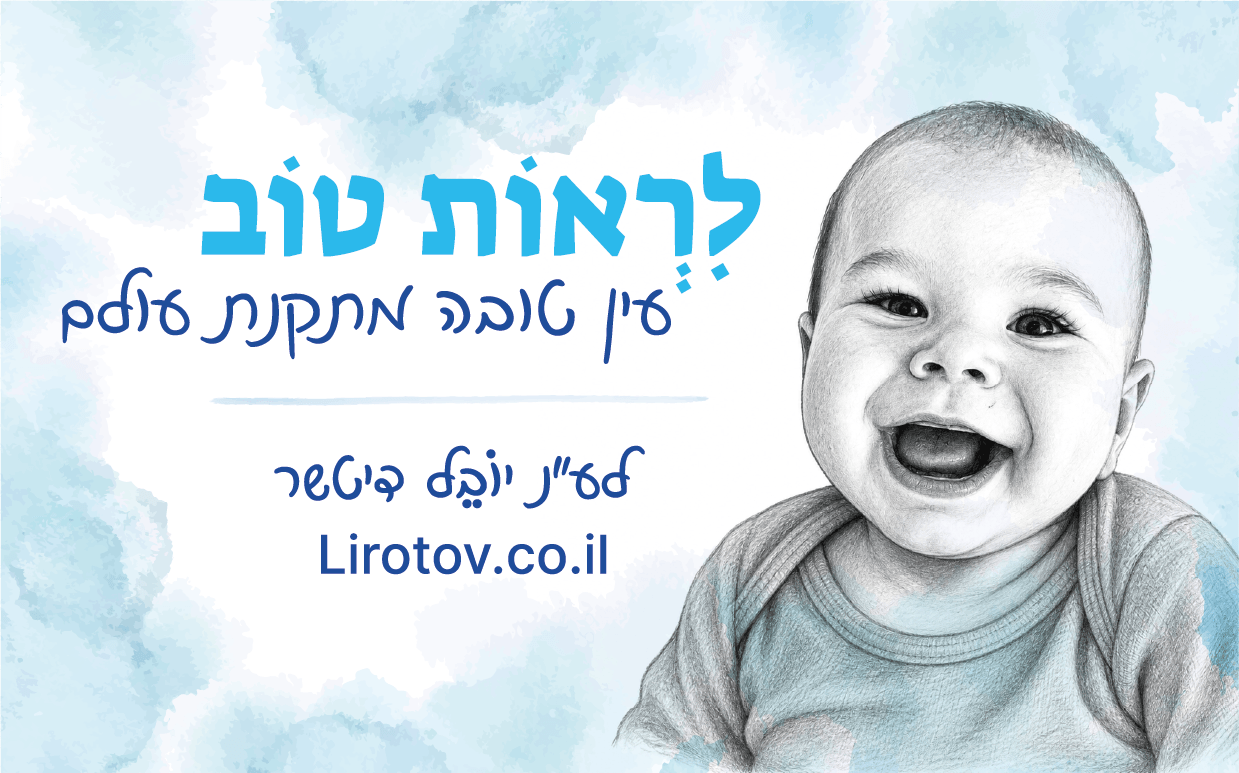
After Yovel died, his parents donated the corneas from his beautiful, smiling eyes so that others might see. That act inspired them to create lirot tov, an initiative in Yovel’s memory that asks us to look at one another with an ayin tovah, to notice the good, to repair relationships, and sometimes simply to begin again.
Many years ago, I began learning with a Bat Mitzvah girl. Someone I trusted had told me some unflattering things about her, and those words stayed with me until I made a conscious decision to put them aside and meet her with fresh eyes. She turned out to be wonderful. The best thing I did was refuse to let someone else’s judgment determine what I would see.
Sometimes, looking again changes the way we see another person. And sometimes, when something painful has happened, it allows another image to exist alongside the one we cannot escape.
At Yovel’s shloshim, I shared an image that had stayed with me: a family tree filled with green, flowering branches, and one branch that was brown, empty, and barren. I did not know what to do with that image. Then someone offered me another way to see it. Perhaps Yovel’s branch is not bare and brown. Perhaps it is covered in soft green moss, snuggled there like a baby in a blanket.
The second image does not erase the first. It does not make the branch flower or undo our loss. Still, the image of the branch covered with softness allows me to look again and to see that even the place of deepest absence can still be held with tenderness and love.
Tefillah | Turning Toward God בֵּין אָדָם לַמָּקוֹם
This year, one of my deepest lessons about tefillah came through someone else’s prayer. A few months ago, the mother of a close friend passed away. She was a warm and loving woman who had not grown up observant, but became observant later in life, after her daughter did.
Not long afterward, my friend showed me her mother’s siddur. She had tears in her eyes as she handed it to me, and as I held it, I was moved to tears as well. It was gorgeous, not polished or pristine, but alive. Almost every page contained something: a Post-it, a handwritten note, a newspaper clipping, a few words written in pencil along the margin. Her mother had filled that siddur with herself: with what she was feeling, what she was seeking, and whatever she needed her tefillah to hold that day. The printed words had become a prayer entirely her own.
Holding that siddur made me think about how each of us has to find our own doorway into tefillah. Her mother had found hers one Post-it, one clipping, and one pencil mark at a time. For me, the doorway into tefillah has always been song. That is where the words stop being only words. A melody opens something within me and carries the words to places that speaking alone cannot reach.
Tefillah cannot undo what has happened. But it can change the way we carry it. It gives grief words and longing a melody. It gives us somewhere to place what is too heavy to hold entirely by ourselves. We turn toward God with all of it: the hope, the fear, the gratitude, the anger, and the questions for which we may never receive an answer. It brings our pain into our relationship with God and reminds us that, even without answers, we do not have to carry it alone.
Tzedakah | Turning Toward One Another בֵּין אָדָם לַחֲבֵרוֹ
Tzedakah asks us to take something we possess and place it in the hands of someone who needs it.
A story is told about Don Isaac Abravanel, the great Jewish statesman who served in the royal courts of Portugal and Spain. A king once asked him how much he was worth, and Abravanel named a sum.
“Surely you are worth far more than that,” the king said.
“You asked me what I own,” Abravanel answered. “Everything else I possess could be taken from me tomorrow. At best, I am holding it for now. The amount I gave you is what I have already given away in tzedakah. That can never be taken from me.”
We are temporary, as U’netaneh Tokef reminds us, and so is everything we possess. We hold it for a time, but it is never entirely ours. What we give away is different: it enters another person’s life and continues to exist in the world. In that sense, what we give away is the part that truly remains ours.
The book of Proverbs teaches, וּצְדָקָה תַּצִּיל מִמָּוֶת: tzedakah saves from death. Our tradition teaches that tzedakah can protect us and avert a harsh decree. But perhaps we can hear something more in those words. There is a longstanding tradition of giving tzedakah on a yahrtzeit, the anniversary of a loved one’s passing. When we give in memory of someone we have lost, we keep that person’s presence alive in the world. The kindness carries their name, their values, and the love we still have for them forward. In that sense, tzedakah pushes back against the finality of death.
Giving does not end with money. It extends to gemilut chasadim: all the ways we give of ourselves to another person.
Tzedakah and gemilut chasadim can also save us from becoming enclosed within our own pain. An act of kindness turns us outward. It connects us to another human being and reminds us that, even while hurting, we are still capable of giving and bringing goodness into the world. It does not erase what happened, but it allows generosity, connection, and love to exist alongside the sorrow.
We cannot keep the flower from fading. We cannot hold back the passing shadow. We cannot know what the year before us will bring.
But we can turn. We can turn inward through teshuvah, toward God through tefillah, and toward one another through tzedakah and chesed.
Sometimes teshuvah, tefillah, and tzedakah can avert the decree. And when they do not, they can still keep its harshness from becoming the whole story. They make room beside the pain, room for prayer, for kindness, for love, for memory, and for life.
This year, may each of us find where we are ready to turn: toward ourselves, toward God, or toward one another. We may begin with one, with two, or with all three. Perhaps one beginning will open the way to another. May these beginnings become part of the story we continue to write together.
Shanah Tovah.
Related Topics
Related Posts