Rosh Hashanah Inspires Us to Change. Shabbat Makes Us Live It.
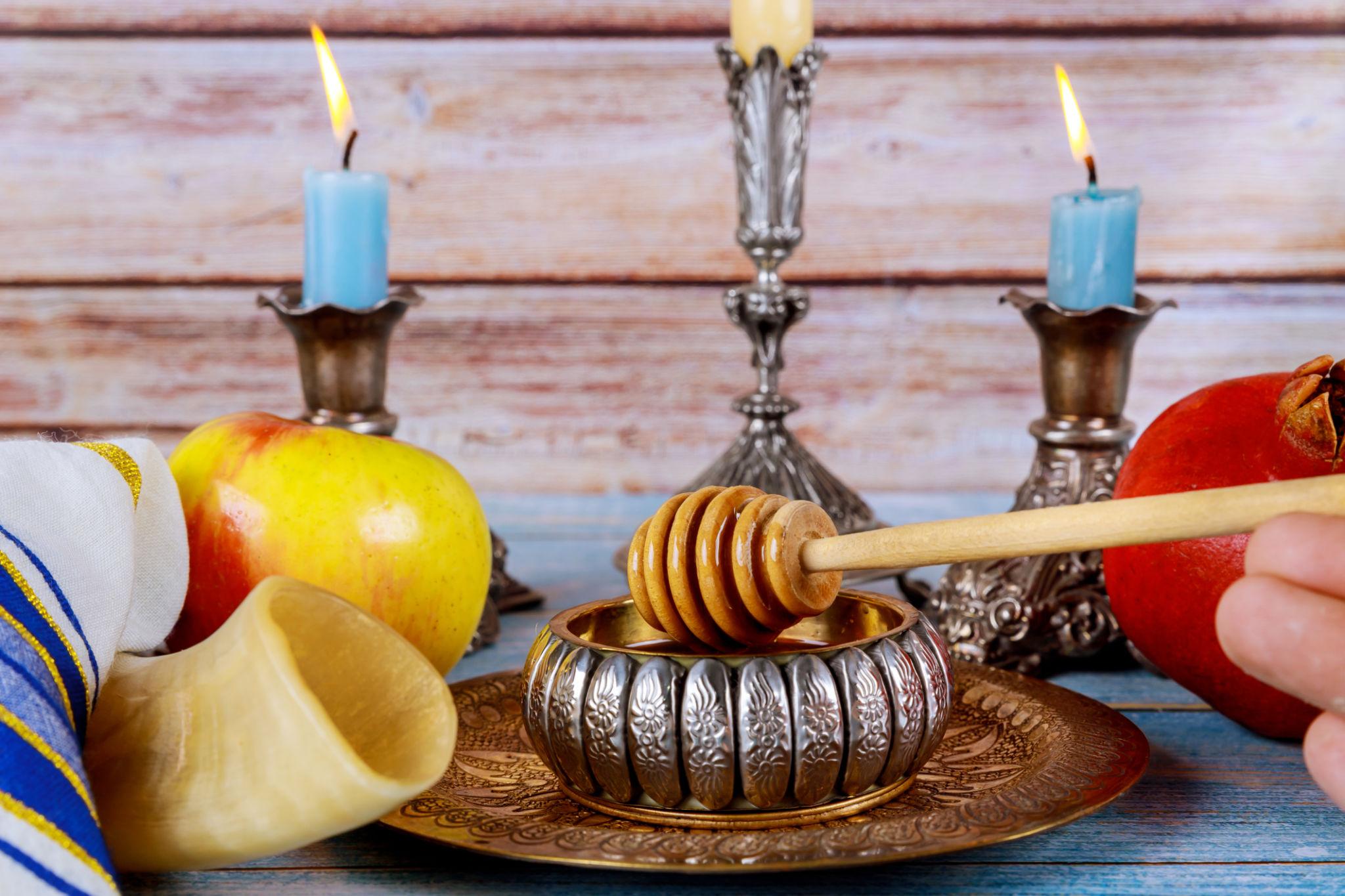
Rosh Hashanah asks us who we want to become. Shabbat returns every week to ask whether we are actually becoming that person.
Have you noticed how often we hear “Shana Tova” this time of year and how easily “Shabbat Shalom” fades into the background?
It is understandable. Rosh Hashanah comes only once a year. It carries the weight and promise of a new beginning: a new year, a new page, another opportunity to examine our lives and decide what needs to change.
Shabbat comes every week. We know it. We expect it. Perhaps because it is so familiar, we sometimes underestimate it.
But when Rosh Hashanah and Shabbat meet, we are reminded of something profound: Shabbat is not smaller because it comes every week. Its repetition is precisely what makes it so powerful.
Rosh Hashanah awakens us. Shabbat keeps us awake.
On Rosh Hashanah, we stand before God and ourselves and take inventory. We think about the words we should not have spoken, the apologies we still owe, the people we have neglected, the gratitude we have failed to express, and the priorities we allowed to become distorted.
We promise ourselves that this year will be different. We will be more patient, more present, more generous, more faithful, and more connected to our families, our communities, our Judaism, and to God.
And then the holiday ends. The shofar falls silent. The meals are cleared away. The synagogue empties. The ordinary demands of life return.
That is where the real challenge begins. Transformation rarely fails for lack of good intentions. It fails because good intentions are so easy to forget.
Judaism understood this long before our modern obsession with resolutions and self-improvement. That is why we have Shabbat.
Every seven days, Judaism interrupts us. It tells us to stop, put down the phone, step away from the noise, come home, light the candles, make Kiddush, sit around a table, and remember who we are.
Shabbat is Judaism’s answer to spiritual forgetfulness.
Rosh Hashanah may give us the vision for the person we hope to become, but Shabbat gives us 52 opportunities each year to practice becoming that person.
If Rosh Hashanah teaches us to value family, Shabbat brings us back to the family table. If Rosh Hashanah reminds us to reconnect with God, Shabbat gives us sacred time to do it. If Rosh Hashanah tells us that life is precious, Shabbat asks us to stop rushing through that life long enough to appreciate it.
And if Rosh Hashanah asks us to become better human beings, Shabbat gives us a weekly checkpoint to ask whether we actually are.
That may be one of Judaism’s greatest insights: a meaningful life cannot be built on annual inspiration alone. It requires repetition, discipline, and sacred habits.
The High Holy Days can move us deeply. A sermon can inspire us. The sound of the shofar can penetrate places inside us that ordinary words cannot reach. But inspiration is a spark, and a spark must be tended if we want it to become a flame.
Shabbat tends the flame.
Perhaps that is why the Torah does not merely tell us to observe Shabbat. It tells us to remember it.
Because human beings forget. We forget what matters when deadlines pile up. We forget gratitude when life becomes difficult. We forget relationships when work becomes consuming. We even forget the promises we made to ourselves when the emotion of the moment passes.
And so Shabbat returns not once a year and not when it is convenient, but every seven days. It comes whether we had a good week or a terrible one, whether we kept our promises or broke them, whether we feel spiritually inspired or completely exhausted.
Shabbat simply returns and says: Begin again.
That message feels especially appropriate at Rosh Hashanah.
We often think of the Jewish New Year as one enormous opportunity for renewal. But Judaism gives us something even more merciful: renewal is not limited to one day on the calendar. We are given another chance every week.
So yes, let us say “Shana Tova.” Let us celebrate the sweetness and possibility of a new year. Let us make resolutions, repair relationships, ask forgiveness, and commit ourselves to becoming better Jews and better human beings.
But when the emotion of Rosh Hashanah begins to fade, let us remember that another sacred appointment is already waiting for us: Shabbat.
Rosh Hashanah asks us who we want to become. Shabbat asks us, week after week, whether we are living that answer.
Shabbat does not compete with the Jewish New Year. It is how we carry the Jewish New Year into the rest of our lives.
Shana Tova. And Shabbat Shalom.