
I believe in independent, clear, and courageous journalism – especially where injustice is being silenced
Russia’s Skies No Longer Safe: Drone Chaos and Mass Delays After UAV Threat
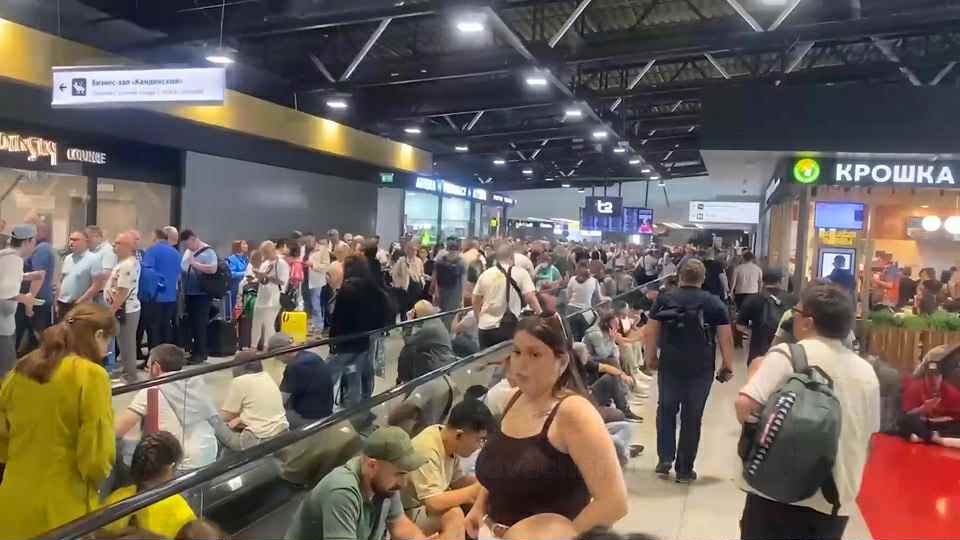
Screenshot from a Twitter video
Thousands of passengers were left stranded across Russia on Sunday after a wave of Ukrainian drones triggered emergency shutdowns at major airports, including Pulkovo International Airport in St. Petersburg, where approximately 7,000 people were reportedly affected.
Authorities suspended flights after radar detected incoming unmanned aerial vehicles. According to Russian media and Telegram channels, over 100 flights were delayed and more than 30 were canceled at Pulkovo alone.
The disruption marks one of the largest aviation interruptions Russia has faced due to Ukrainian drone activity, which has escalated in range and intensity in recent months.
Ripple Effect Across Russian Airspace
Flight operations were temporarily suspended or restricted not only in St. Petersburg, but also across Moscow’s four major airports — Sheremetyevo, Domodedovo, Vnukovo, and Zhukovsky — as well as in regional cities such as Kazan, Kaluga, Nizhny Novgorod, Kirov, Belgorod, Kursk, Bryansk, and Voronezh.
In May, a similar drone wave resulted in 350+ flight disruptions, impacting tens of thousands of travelers nationwide.
Russia’s Federal Air Transport Agency (Rosaviatsiya) and air defense forces have implemented emergency airspace closures with growing frequency — often in response to Ukrainian UAVs aimed at military or logistical targets.
A Strategy Beyond the Battlefield
While Ukrainian officials rarely comment on such strikes, drone attacks inside Russian territory have become a hallmark of Kyiv’s evolving asymmetric strategy: targeting symbolic and strategic assets far from the frontline, undermining the Kremlin’s narrative of domestic stability.
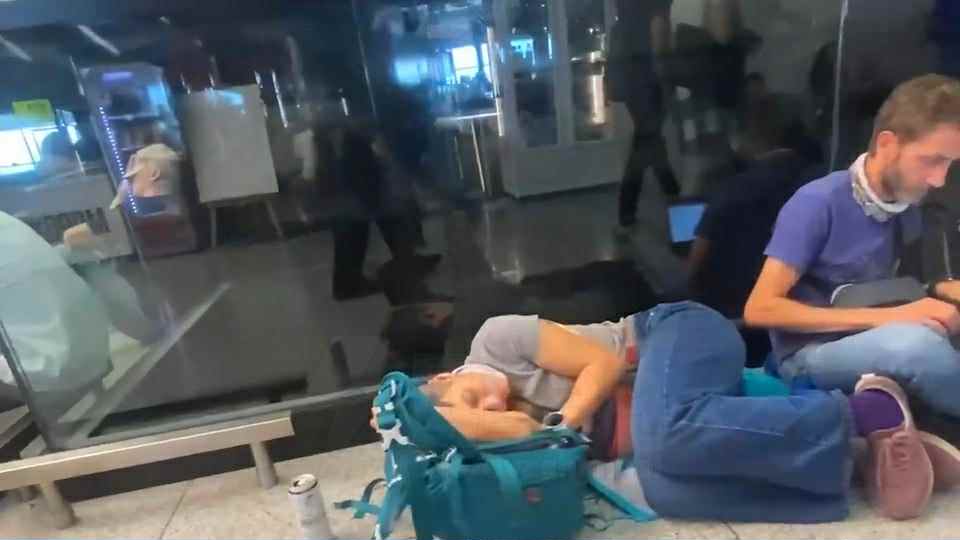
Russian Telegram channels have circulated videos and images showing long lines, grounded planes, and confused passengers — some of whom were forced to wait on aircraft for hours due to runway closures. Reports of understaffed terminals and lack of communication have further fueled public frustration.

Analysts note that these repeated disruptions, though non-lethal, are having a cumulative psychological and economic effect on Russian society — projecting the reach of the conflict deep into civilian life.
Though no casualties were reported in the latest round of drone alerts, the cumulative toll on infrastructure and daily life is growing. For Russia — which has long portrayed itself as immune to the direct consequences of the war — these disruptions may represent a new normal.
Whether this tactic will compel Moscow to shift its military calculus remains unclear, but for now, ordinary Russian citizens are increasingly paying the logistical price for a war that shows no sign of ending.

Related Topics
Related Posts