
Sa-Nur: The Hilltop That Defines Jewish Return
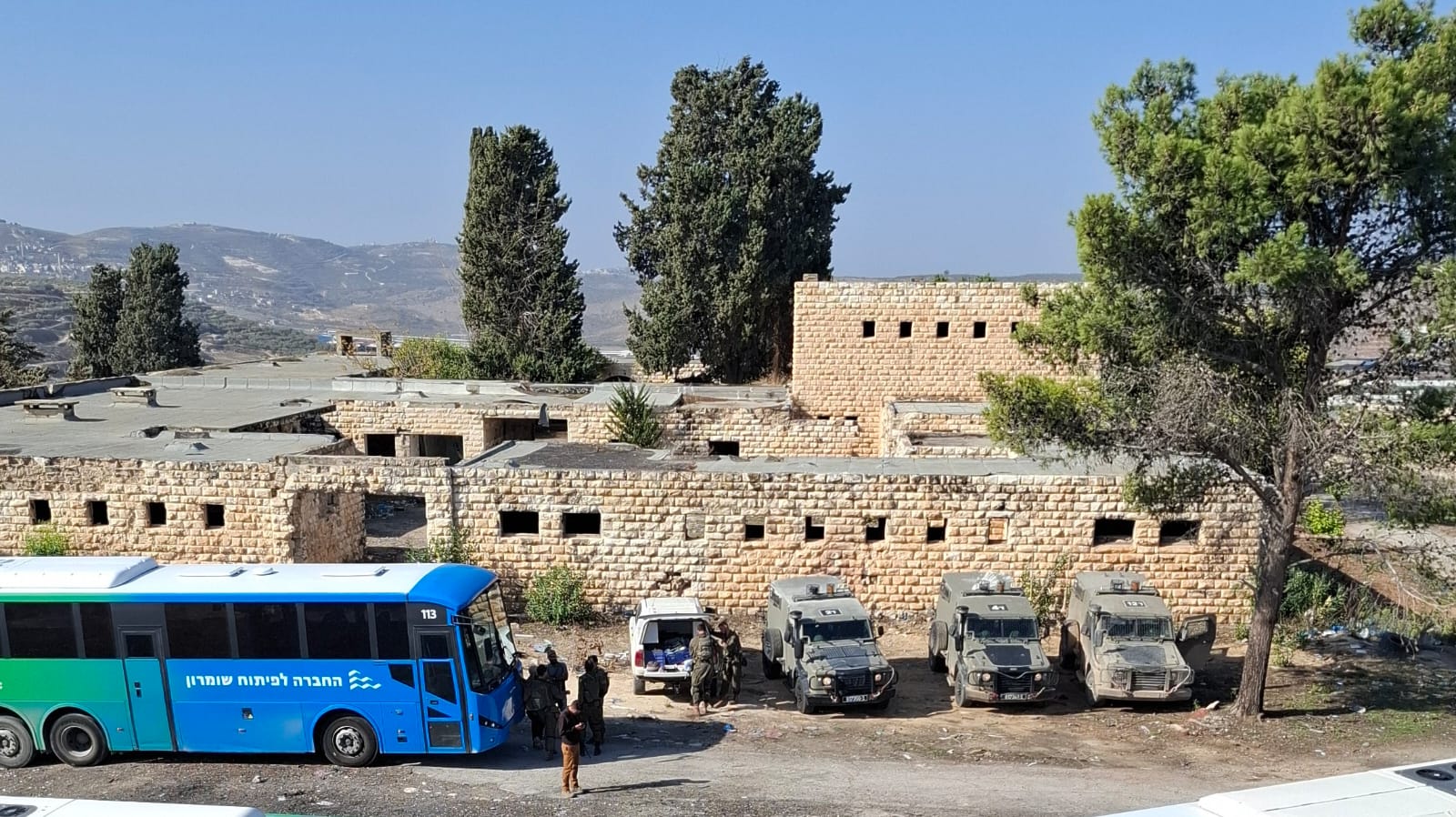
After decades of abandonment, Israel reasserts control over a hilltop critical to its security and historic claim.
For over 20 years, the ruins of Sa-Nur stood as a silent indictment of one of the most disastrous decisions in modern Israeli history.
A Jewish community was uprooted, homes were destroyed, a synagogue was buried, and one of the most strategically critical hilltops in Northern Samaria was turned into an empty, militarized wasteland- all under the illusion that retreat would bring peace, Instead it brought the opposite.
And today, as Israel reconsiders the mistakes of the past and moves toward re-establishing Sa-Nur, one truth is becoming clear: this hilltop is strategic and essential.
The Jewish Claim: History Is Not a Negotiation
Sa-Nur is located in the region identified in Tanach as the territory of Menashe, the northern backbone of biblical Israel.
When a modern Jewish community took root there in the late 1980s and 1990s- first as an artists’ village, later as a religious Zionist community- it was not creating something new, It was restoring something ancient.
Jewish presence in Northern Samaria is not a contemporary political experiment.
It is a return to the historical, geographical, spiritual, and cultural heart of the Jewish nation.
No international statement, no foreign pressure, and no diplomatic fashion can erase a 3,000-year-old identity rooted in the soil of this land.
2005: A National Mistake That Echoes to This Day
The Disengagement from Gush Katif (Gaza) and Northern Samaria led by former prime minister Ariel Sharon, was marketed as a move toward peace, stability, and diplomatic progress.
It produced none of these things, but what it did produce was:
-The 7th October massacre
-The collapse of security along Route 60
-A surge in terror activity from Jenin
-Increased attacks on Israeli drivers
-A massive victory for the PA, who saw Israeli withdrawal as proof that violence pays
Strategic Geography: Whoever Holds Sa-Nur Controls the North
The hilltop sits above Route 60- the central artery that connects the northern and central Judea & Samaria (West Bank). It overlooks the corridor between Jenin and Shechem (Nablus), a corridor repeatedly exploited by terror networks for smuggling, attacks, and movement.
From Sa-Nur, one can observe:
-The Jenin basin
-The triangle of hostile villages leading into Shechem
-The approach routes used in multiple terror attacks
-The main north–south infrastructure spine
Control of Sa-Nur means early warning, surveillance, territorial continuity, and deterrence.
The evacuation of Sa-Nur in 2005- along with Ganim, Kadim, and Homesh- created a strategic vacuum quickly filled by terrorist organizations. In the years that followed, Jenin became a hub of armed terror, weapons smuggling, and explosive manufacturing.
Security officials who speak candidly acknowledge the obvious: Jewish presence will increase safety in the area- this is more than just ideology.
The Turning Point: Israel Reclaims Its Heartland
Knesset Vote (March 2023): The Knesset overturned the law that forbade Israelis from even entering Sa-Nur and the other 3 evacuated communities (Area C) of Northern Samaria.
Smotrich Plan – 22 New Settlements: Finance Minister Bezalel Smotrich announced plans for 22 new settlements in Judea and Samaria, including 2 of the 4 communities evacuated in 2005: Sa-Nur and Homesh.
Grassroots Jewish Return: Over the past few years, groups have visited Sa-Nur for events, prayers, and even camping, demanding that the hilltop is to become Jewish again.

Why Sa-Nur Must Be Rebuilt
-Identity:
A people that abandons its heartland abandons its story. Northern Samaria is not a plot of land- it is the center of the Jewish biblical homeland for the past 3,000 years.
-Security:
Strategic high ground in this region cannot be surrendered; doing so will endanger thousands of Israelis.
-Deterrence:
Rebuilding Sa-Nur sends a clear message to the world- Israel does not retreat under pressure, a message essential for preventing future conflict.
Conclusion
The ruins of Sa-Nur are more than a memory of 2005.
They are a choice for the future: will Israel define itself by retreat or by return?
Rebuilding Sa-Nur is a statement: the Jewish people do not abandon their land. Not to appease terror. Not to satisfy foreign expectations. Not to win diplomatic points.
Sa-Nur stands as proof that Jewish history does not end when a community is destroyed. It ends only when the Jewish people stop returning- and that day will never come.