Sarah’s Laughter of Hope
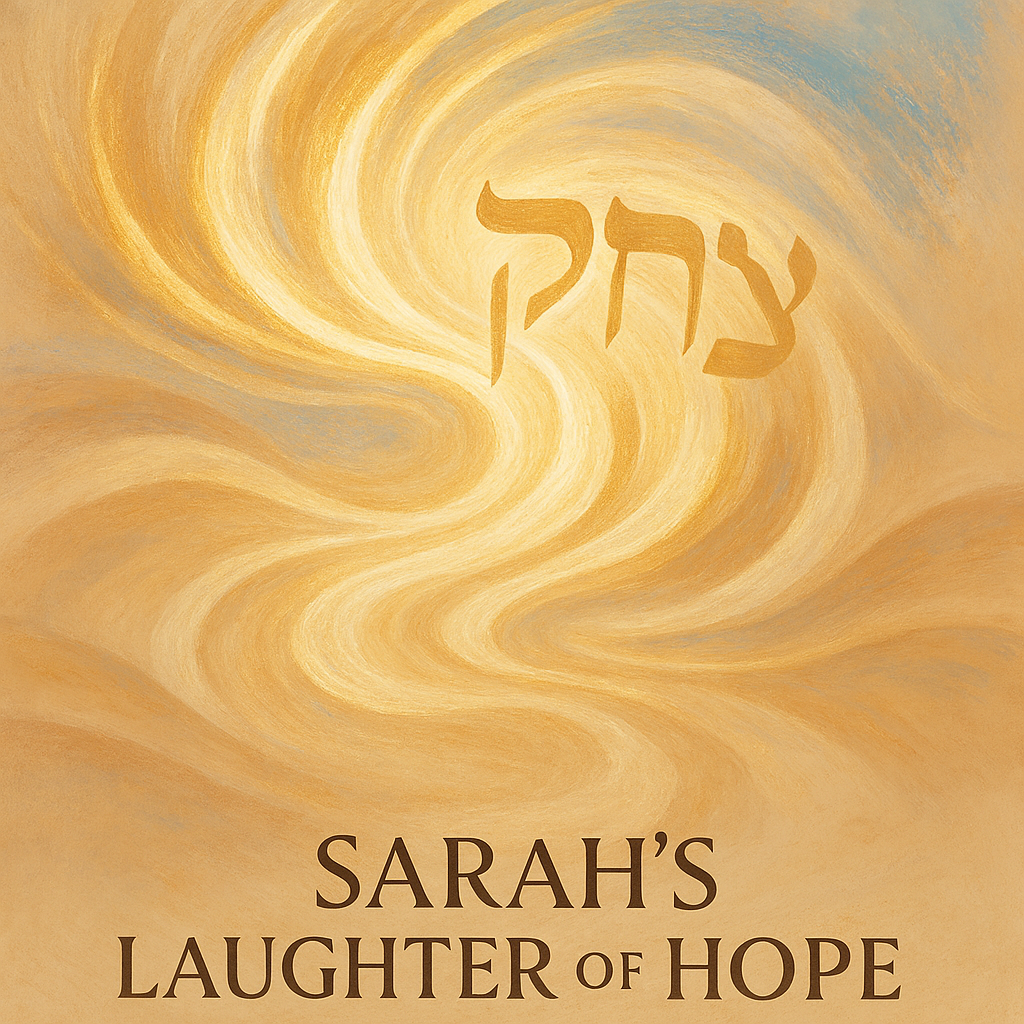
We’ve all heard that laughter is the best medicine. But in this week’s parsha, laughter is more than just medicine – it defines our identity. It even becomes a name. The child of promise is called Yitzhak, meaning “he will laugh.” This name engraves laughter into Jewish memory. Why? Because laughter is the thread running through the pivotal story of Isaac’s birth and surprisingly it is one of the components of our perseverance and resilience. It is the laughter of hope.
The Torah uses the root צחק—laughter—seven times in this narrative. Abraham laughs when God promises him a son at 100. Sarah laughs when she overhears the same promise at 90. God asks, “Why did Sarah laugh?” And when Isaac is born, Sarah declares: “God has made laughter for me; everyone who hears will laugh with me.”
But not all laughter is the same. Abraham’s laughter seems joyful, yet incredulous. Sarah’s – Many ask what kind of laughter is that? Cynicism? Despair? Or something else? Later, Yishmael, מְצַחֵק, introduces mocking laughter. In this story, laughter ranges from joy to skepticism, from hope to hostility.
The theme that binds it together is persistence and resilience in the face of the impossible. A 99-year-old man and a 90-year-old woman are told they will have a child. It sounds absurd. By any non-miraculous standards it is. Yet, this impossibility becomes the foundation of Jewish history. Our covenant begins not with certainty, but with a laugh – a laugh that dares to imagine beyond despair. That laugh becomes a name, a legacy, and a lesson: Jewish survival itself is an act of persistence against all odds.
Rabbi Jonathan Sacks highlights the theme of Isaac as embodying “miraculous persistence.” His name, Yitzhak, is prophetic. It signals the absurdity of Jewish existence: a people born from a barren couple, surviving exiles, persecutions, and near annihilation – yet still here. It’s the echo of Jewish history. Incredulous laughter becomes covenantal joy. Isaac’s life – re-digging wells, praying for children, and allowing his father to almost sacrifice him – embodies faith that defies logic. Every time we say “Yitzhak,” we affirm that Judaism is built on the faith that life can defy logic, and that hope can outlast despair.
It is too simplistic to dismiss the laugh of Sarah as one of doubting Hashem. The Ramban points out that it wasn’t clear that she was informed by her husband of the previous conversation with G-d (in Parshat Lech Lecha), for good reasons, and therefore when an Angel passing as a human promises Abraham a child perhaps we mistakenly see it as a lack of faith. In fact given her years of incredibly steadfast commitment to G-d and the fact that G-d talks to her, we should more than give her the benefit of the doubt and trust her faith.
Aviva Zornberg builds a picture for us. Imagine the scene behind the tent flap. Ninety-year-old Sarah overhears strangers telling Abraham: “In a year’s time, your wife Sarah will have a son.” She laughs. Is it bitter? Cynical? Or something else? Zornberg suggests it’s a rupture of imagination. For decades, she lived with barrenness and deferred promises. Suddenly, she hears words that defy reality. For a split second, she lets go of despair and glimpses an absurd, unpredictable future. Like many of us when we hear incredulous news for the good – we laugh. Her laughter isn’t mocking – it’s wild, contagious, born of What? It’s laughter of relief, hope, of possibility, of a world that stretches beyond limits. That laughter conceives Yitzhak – in whom she enshrines laughter into the fabric of his name.
Viktor Frankl, himself a survivor of three concentration camps, wrote that humor was “another of the soul’s weapons in the fight for self-preservation.” Even in the darkest places, laughter gave prisoners escape and affirmed their humanity. Sarah’s laughter does the same: it cracks open despair and lets in light. It’s not certainty – it’s courage. It’s the ability to imagine a future radically different from the present.
As someone living with major challenges, like so many others, this theme speaks to me deeply. Odds sometimes feel overwhelming. And yet, like Sarah, I want to choose the laughter of hope – the laughter that says, there is hope and certainly meaning even here. Hope exists when logic says otherwise. As Jews, this is our story. We laugh at despair – not because it isn’t real, but because we refuse to let it define us. We persist. We imagine. We hope. And yes even in the worst of times, we laugh.
Sarah teaches us that faith begins not with certainty, but with a laugh – that laugh that dares to imagine beyond despair. And that laugh becomes a name: Yitzhak. Every time we say his name, we remember that the Jewish story begins with a burst of hope, with the courage to embrace the absurd and imagine a future beyond our limits. That laughter can change everything – it can give birth to Yitzhak, to joy, to a future we never thought possible.