From Kibbutz to the global stage
Saudi Arabia’s camel milk revolution vs. Israel’s missed opportunity
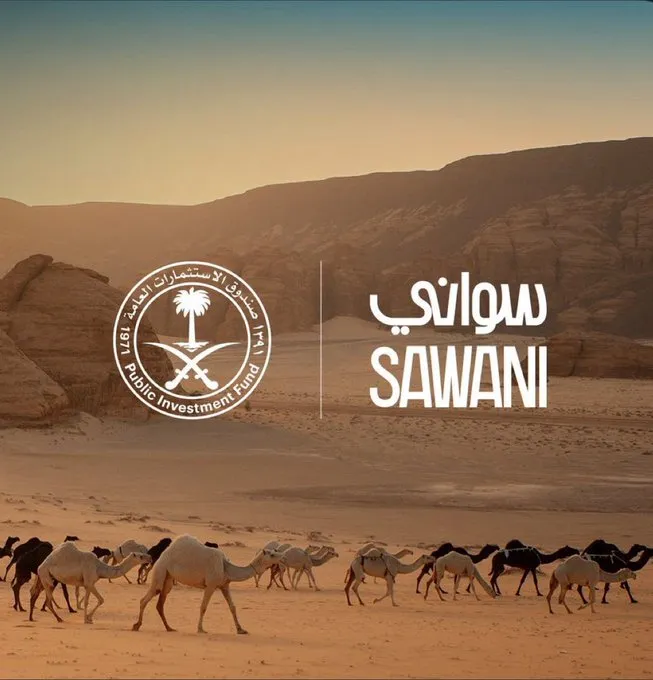
Image: Sawani logo, Public Domain
Israeli Finance Minister Bezalel Smotrich stated over the weekend:
“If the Saudis want normalization on the condition that a Palestinian state be established — no thank you. Let them continue riding camels while we continue to develop.”
Although Smotrich later issued a partial apology, such remarks from a senior minister remain deeply problematic. Without any public disavowal from the prime minister, the message conveyed to our most important partners remains unchanged.
The timing could not be more sensitive. Washington is exerting intense pressure on both Jerusalem and Riyadh to advance a US-guided normalization track and a regional stabilization framework. Arrogant language that belittles Saudi society risks undermining these efforts precisely when the diplomatic environment is at its most fragile.
These comments reminded me of a research project led under my guidance a few years ago in the Guilford Glaser Faculty of Business and Management at Ben-Gurion University of the Negev, in cooperation with senior officials from the Neve Midbar Regional Council. The aim was to explore the opportunity to develop a regulated camel-milk industry (milk from she-camels) in Israel as a tool to support the socio-economic advancement of Bedouin communities.
Camel milk has high nutritional value and can serve as the basis for both food products and cosmetic and medical applications. Regulation and veterinary supervision would reduce public health risks associated with unpasteurized milk and help mitigate the ongoing hazard of free-roaming camels along Negev roads through proper enclosure and commercial utilization.
During this study, we found that Saudi Arabia is one of the world’s leaders in camel-milk production, marketing, and industrial innovation. The Kingdom maintains approximately 2.2 million camels, generating around 400,000 tons of camel milk annually. In 2023, the Saudi sovereign wealth fund established a national company named Sawani to consolidate and expand domestic production and export activities. The broader camel-milk sector across Saudi Arabia and the Gulf
Israel, in contrast, chose to ignore a sustainable market opportunity situated precisely where it could make the greatest impact: the Bedouin population in the Negev. The project we initiated demonstrated clear economic potential. However, the regulatory and governmental support required to move from feasibility research to operational implementation never materialized.
This is not only a missed business opportunity. It represents a failure to use innovative industry development as a bridge between cultures within our own borders. A locally developed camel-milk industry could have strengthened trust, generated income, promoted safer roads, and positioned Israel as a regional partner rather than a dismissive observer.
Saudi Arabia is not merely “riding camels.” It is investing billions in diversification under Vision 2030, building futuristic cities like NEOM, and leading global efforts in renewable energy, high tech, health-tech, tourism, and advanced agriculture. It is actively reshaping its economic and geopolitical position.
Diplomacy requires humility. Innovation requires curiosity. Leadership demands respect.
Israel can either align with partners who are shaping the future of the Middle East or stand aside while others take the lead. The real question, therefore, is not whether Saudis are riding camels. It is whether Israeli policymakers are willing to ride the wave of regional change before it passes us by.
Related Topics
Related Posts