
Scheduling a Festival on the Heels of War
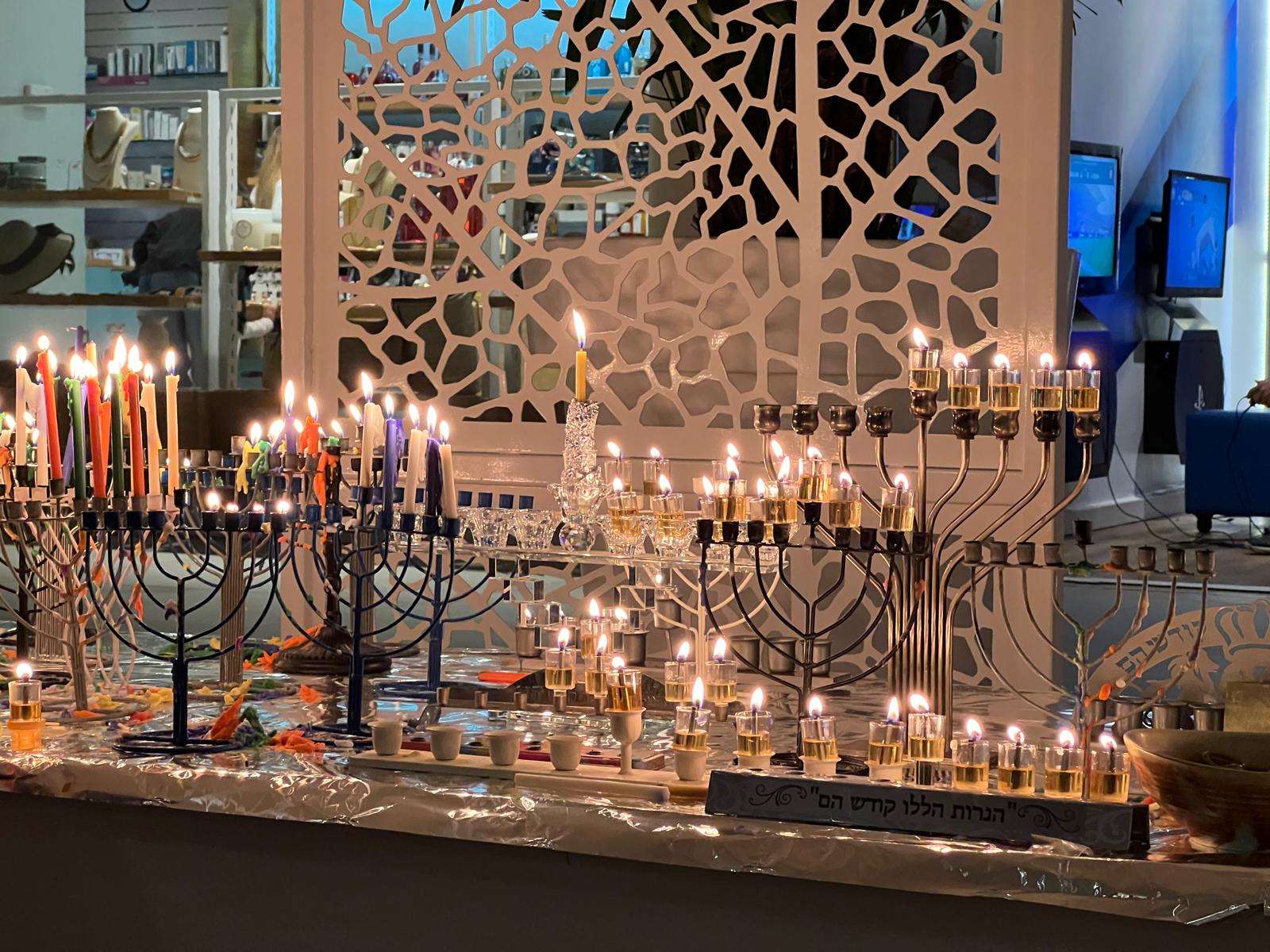
This year, as I approached the story of the Maccabees and the celebration of Chanukah, I realized I needed a more nuanced understanding of what this moment asked of us. The prevailing idea, that Chanukah is a festival celebrating the miraculous defeat of our enemies despite overwhelming odds, felt relieving, but not jovial. The raw aftermath of war and the scars of victory remain open all around me. Unbridled joy it is not.
From the vantage of peace, we often imagine war in romantic terms, charting points on the arc of history, where clashes give way to worldviews and nation-states emerge as victors or vanish vanquished. The reality of war, however, is agony at the hands of other human beings; terrible physical and psychological wounds; the gut-wrenching experience of witnessing the unnatural and cruel loss of once vibrant lives. Even a triumph on the battlefield must confront humanity’s failure in resorting to such means, and it can never erase the suffering endured along the way.
Over the last two years, I have often thought of Henry Fleming, the young Union soldier portrayed in Stephen Crane’s novel, The Red Badge of Courage.
As Henry stands on the brink of the battlefield, the vast gap between his ‘dreams’ of war and his ‘awakened’ experience of it is exposed. In a brilliant moment, a stunned Henry begins to comprehend that the next day will likely “be a battle, and he would be in it” – a realization that captures the difference between knowing-of something and actually experiencing it.
Henry had “regarded battles as crimson blotches on the pages of the past. He had put them as things bygone with his thought-images of heavy crowns and high castles… Men were better, or more timid. Secular and religious education had effaced the throat-gripping instinct, or else firm finance held in check the passions.”
Written more than a century ago by an author who himself never experienced war, Crane depicts a world that some still inhabit- dangling in the unimaginable space between the idea of war and its reality.
When the Rambam recounts the historic narrative of Chanukah, he describes the campaign of rape and theft, the ransacking and desecration of our Temple and decrees forbidding Torah study and Jewish ritual practice. He continues: ‘They inflicted pain on the people of Israel and oppressed them greatly.’ These acts of war were not only wrong; they were soul-crushing. War’s injuries reach into our very essence. And yet, the Rambam continues, God granted salvation, the Hashmoneans were victorious and a stable future was established.
In the face of war’s horrors, Chanukah emerges as a rabbinic ‘what now?’- a response to the aftermath. The foundations of our being have been shaken. Now, as we struggle to regain solid footing, the question becomes: What do we stand for? What values define us and allow us to rise up?
Rav Meir Simcha of Dvinsk, a leading nineteenth-century rabbinic figure, argues that Chanukah is consistent with other Jewish holidays. It doesn’t celebrate the defeat of our enemy, but rather the quiet after the storm- the moment of salvation and the process of renewal.
The rabbinic design of kindling candles each night, lights that may not be used for utilitarian purpose, only to be seen, is a unique exercise. This ritual rebuilds a space for contemplation and light, not to care for material needs at hand, but to hold onto something fragile that has survived and address wounds that require tenderness. We gaze at these ephemeral flames with a sensitivity to life heightened by its vulnerability. Just as the depths of the soul can ache, so too can they touch a deeper appreciation for goodness. We are called to look into the lights and consider paths that uphold our values with courage and resilience.
This restorative ritual includes blessings that express gratitude for God’s salvation in the Chanukah story, alongside acknowledgment of miracles in our own time. We think of the soldiers who continue to stand guard in defense of our nation, and of their families, stretched thin beyond comprehension. As we watch the flames flicker in our homes, we are transported to the menorah of the Temple, stories of threat and deliverance spanning generations and geography- seeking resonance and strength from within the light itself.
This eight-day ritual is iterative. Each night we kindle an additional flame ‘in praise and thanksgiving’ and once more look into the candles to consider where we stand and to affirm gratitude for what is.
Chanukah’s ritual is anchored in the intimacy of our home, yet positioned at the threshold, facing the outside. In this moment of reckoning and awakening, we are not alone. We radiate our light, working through pain while connected to and supported by others.
Our sages refer to the kindling of lights on Chanukah as a ‘mitzvah chavivah– a beloved commandment’- a formulation reserved for covenantal acts between God and humanity. This spiritual work is not easy. Yet it is a gift in the shadow of war: a means to rebuild ourselves, to recognize the miracles before us and to take a meaningful step towards repairing what remains broken in the world.